MIRROR IN TIME, Michelangelo Pistoletto, Erinna König @ EK STUDIO, 2025
MIRROR IN TIME
Michelangelo Pistoletto
Erinna König
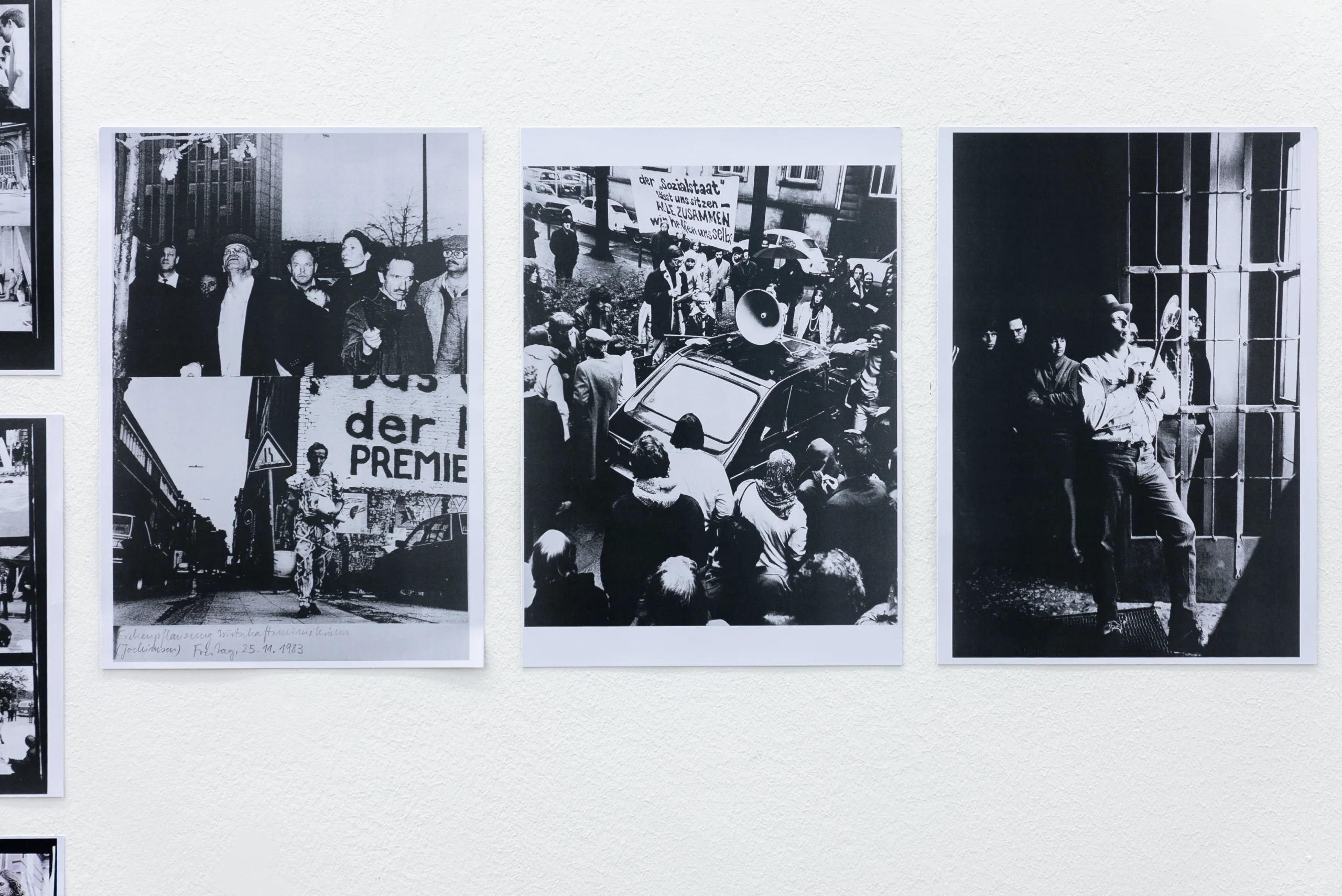
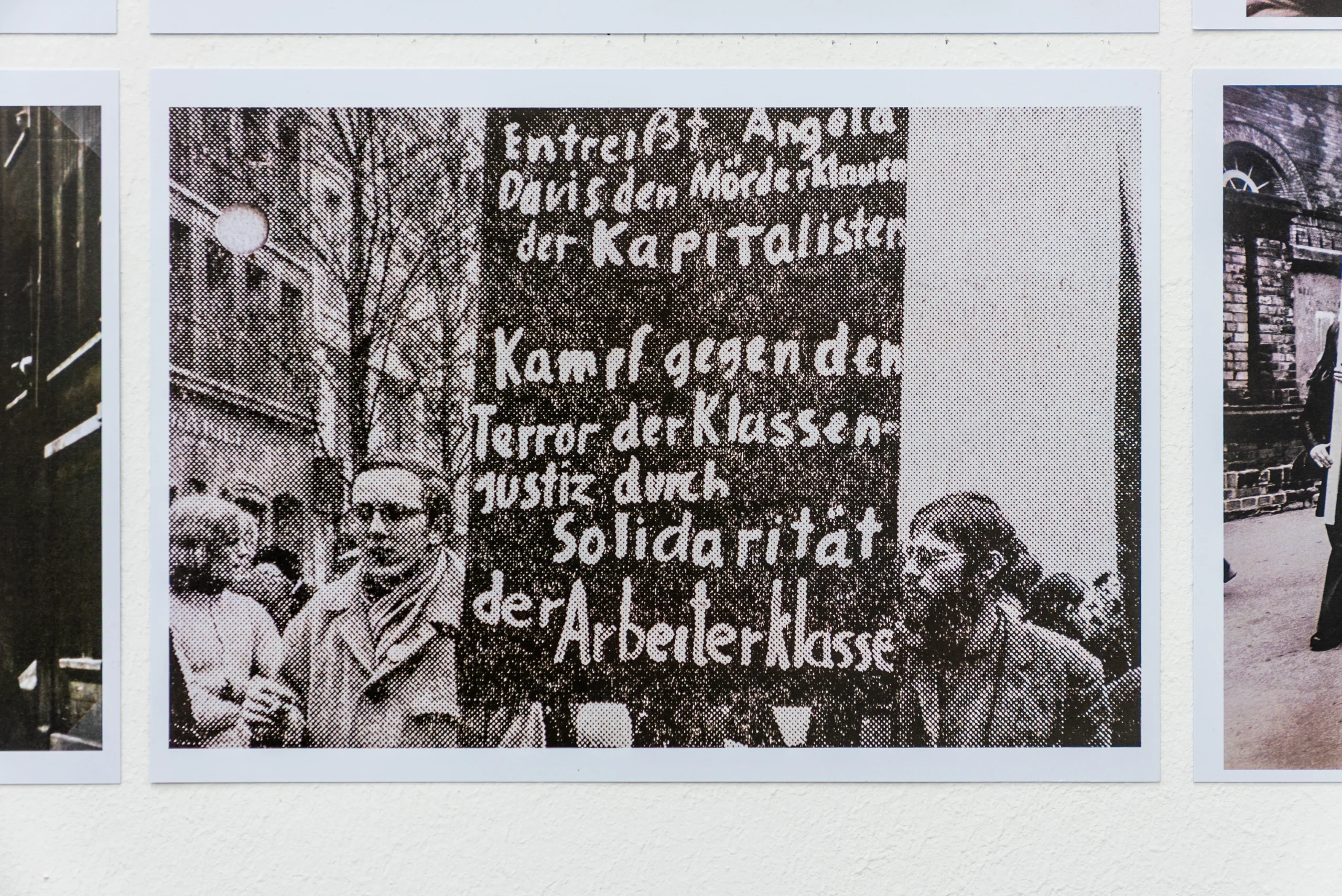
A photo documentation from Erinna Königs archives shows moments from her student days as a master student of Joseph Beuys in the social environment of the Düsseldorf Art Academy from 1967 to 1976. As active members of the '68 student generation, Erinna König and her colleagues brought art to the streets, organized “actions,” and fought for a student parliament, to which Erinna König was elected as the first president.
An office for organizing actions—the “Büro Olympia”—was founded, with Erinna König, Henning Brandis, Chris Reinecke, and Jörg Immendorff at its core. The group led projects such as “Tenant Solidarity,” which drew attention to the rental crisis in Düsseldorf; “Clean Squares, Dirty Housing Policy” saw Erinna König and colleagues scrubbing the main square in Düsseldorf in front of the city’s theatre. Several newspaper articles prove that the actions did not go unnoticed by society. “Büro Olympia” campaigned against the commercialization of the 1972 Olympics and for an end to the Vietnam War. They took part in demonstrations in the old town and also in Dortmund on May 1, 1971, with Albert Oehlen, Chris Reinecke, and Henning Brandis—where Jörg Immendorff photographed Erinna König next to Willy Brandt.
From the 1980s onwards, Erinna König wrapped socio-political ideas in elegant puzzles for the viewers to decode. The works exhibited here are rare moments in which she expressed herself more concretely. In “Untitled Red Flag” (1983), the rolled-up flag leans against the wall, posed on a red doormat. The miniature “Selbst mit roter Fahne” (Self with Red Flag) is a self-portrait of Erinna König in which she carries just such a red flag, with a glass full of paintbrushes next to her—this unique self-portrait from 1978 sums up herself as artist at the time.
“Das Ende der Rolle” (The End of the Roll), 1990, refers directly to the protests of that time: a round-framed work made of folded packing paper – the “end of the paper roll” used for demonstration banners, stamped with a red star in the center.
The polar opposite is the group of paper works “Schnittmuster” (Patterns), 1987. Tailor's patterns for a short sleeve, a jacket/shirt sleeve, and a child's jacket are newspaper collages painted over on a black or clay-red background or a night sky purple-black. “Schnittmuster Westen und Osten” (Patterns West and East), “Expressgut” (Express Goods), “Rote Erde” (Red Earth), and ‘Attentatsversuch’ (Assassination Attempt) refer to the content and the newspaper itself: — “Rote Erde” or “rote Erde” is a term used since the Middle Ages to describe the historic landscape of Westphalia, where Erinna König grew up as a child. The “Westfälische Landeszeitung – Rote Erde” however was a combination of official gazette and party newspaper of the NSDAP and a propaganda paper for National Socialist politics from 1933 to 1945. Erinna König's series “Newspaper Patterns” tailors NSDAP party propaganda directly to the reader. Adults and children alike are thus molded, lined up, and dressed mentally and physically in party loyalty. The “Schnittmuster, Expressgut” (Pattern, Express Goods) is a children's shirt front cut from an auditor's balance sheet stamped “June 44,” alluding to the Third Reich's war-calculated family policy.
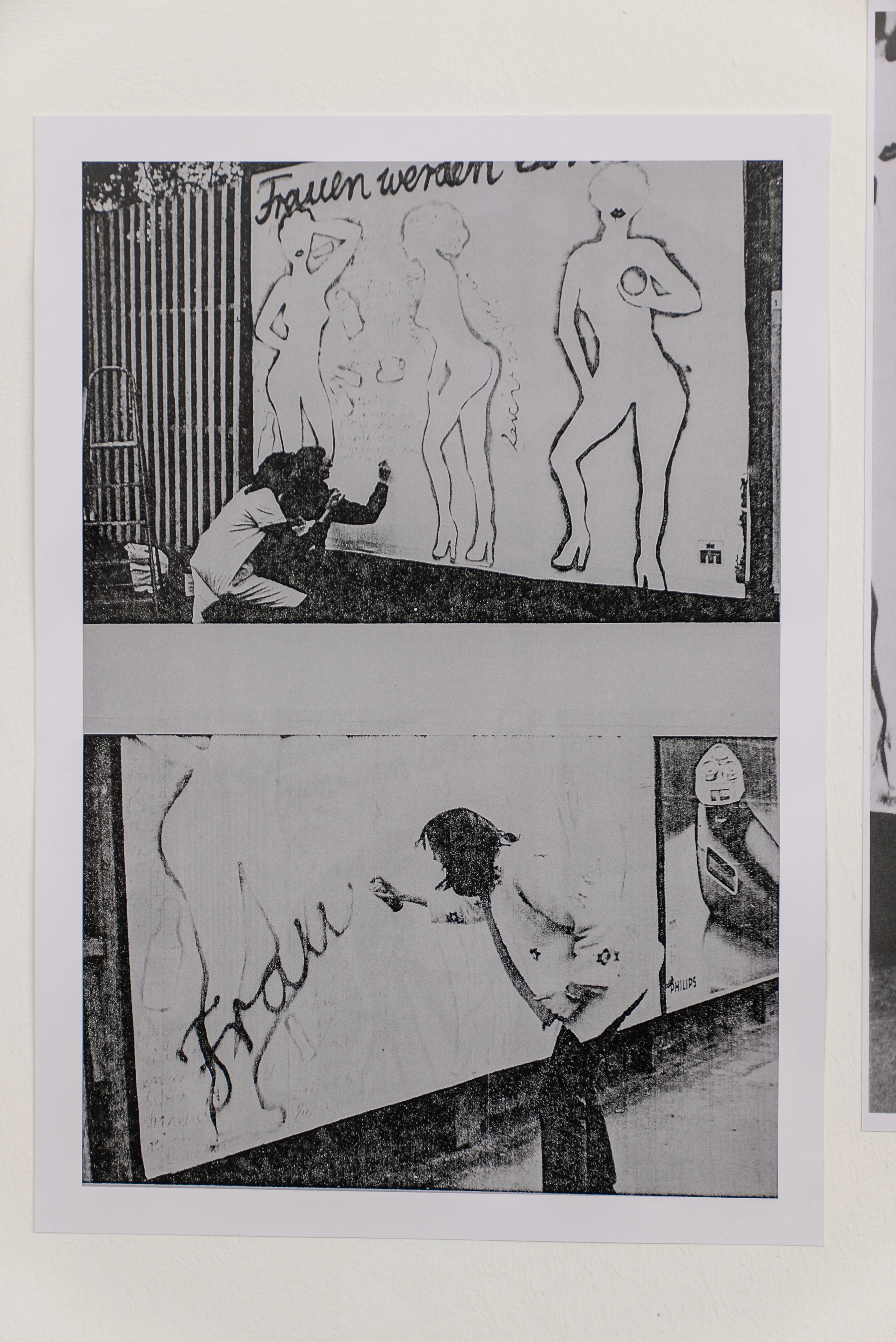
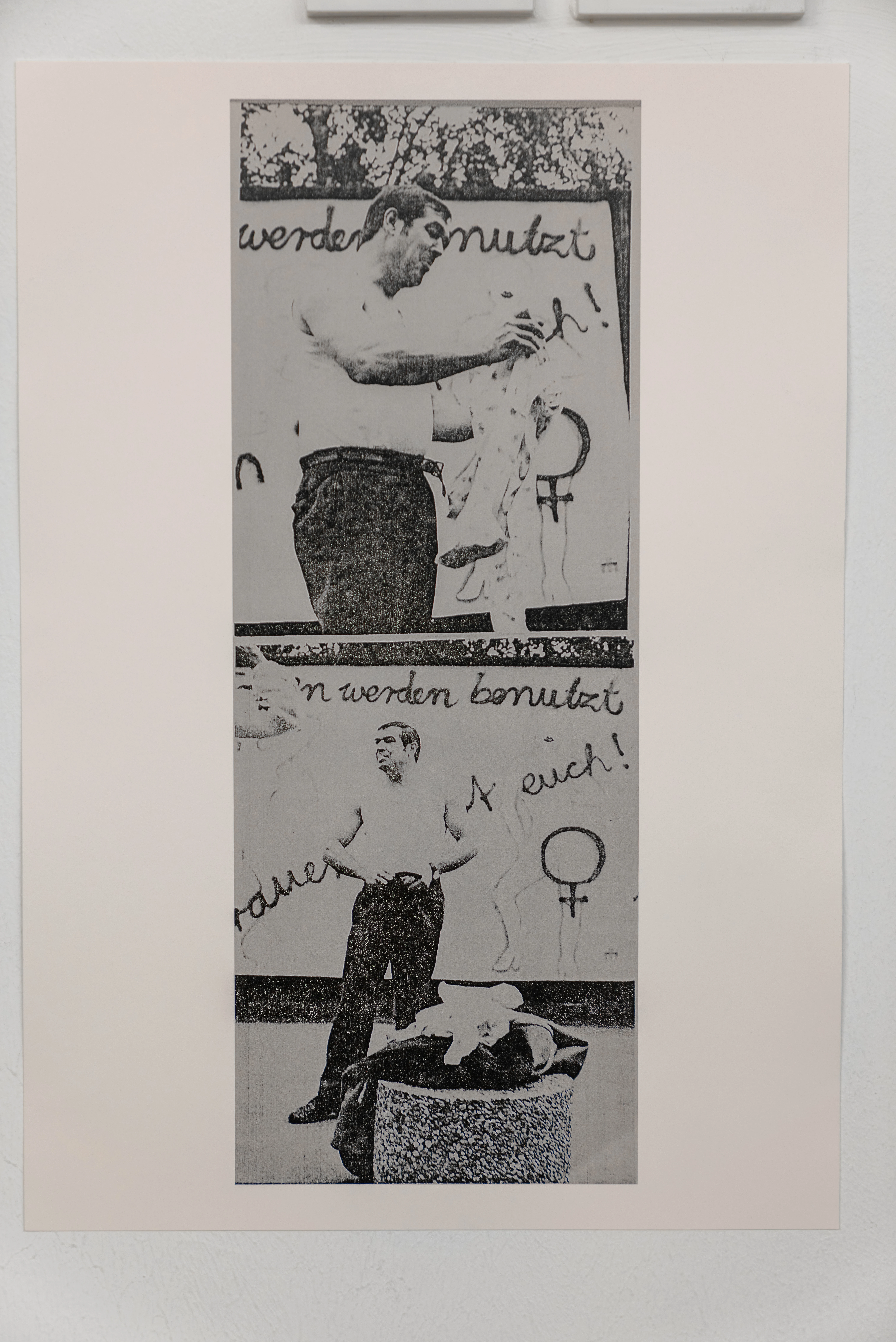
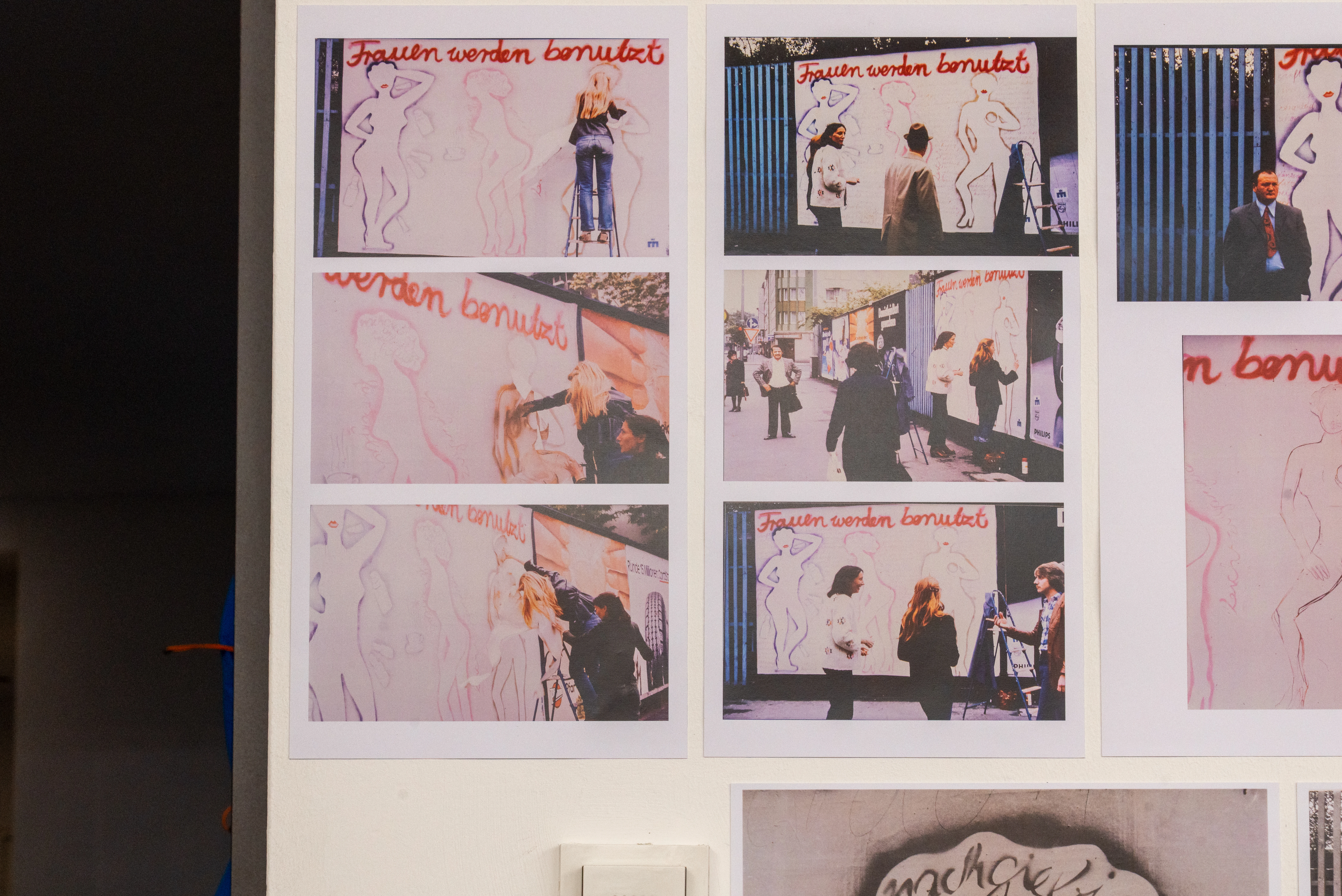
Finally, a documentation of the 1976 initiative that brought the topic of ‘women’ into public debate: as part of the exhibition ‘Frauen machen Kunst’ (Women Make Art), 1976, Galerie Magers, Bonn, Erinna König, Susanne Ebert, and Maria Fisahn painted billboards in Düsseldorf, Frankfurt, and Berlin.
Archival material from the personal estate of Erinna König and the Rheinisches Archiv für Künstlernachlässe RAK (Rheinland Archive for Artists' Estates) www.rak-bonn.de
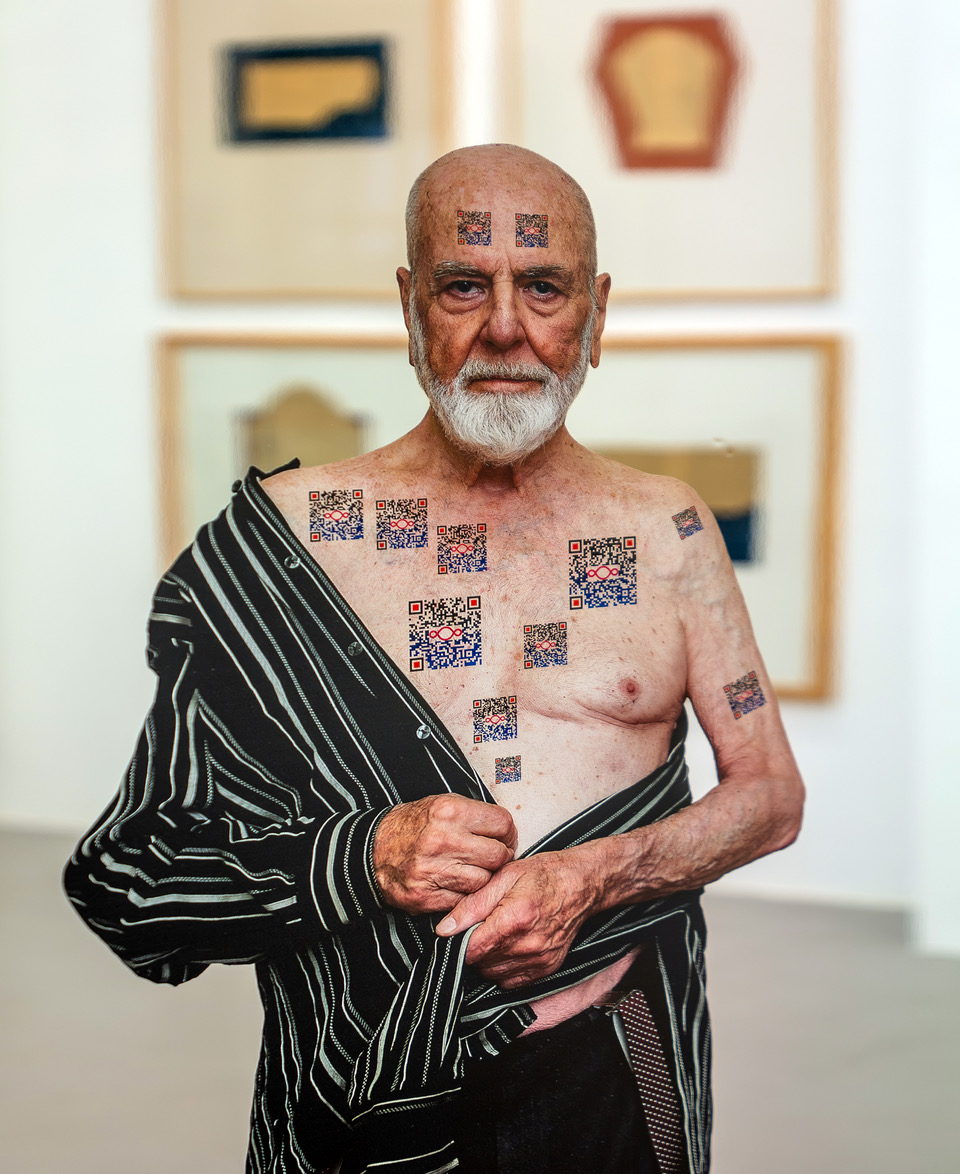
“The tattoo is a primitive form of communication that I now use as an artistic and technological form of expression. The self-portrait conveys my identity and that of today's society in the infinite present of the mirrored image.” — Michelangelo Pistoletto
Michelangelo Pistolettos “mirror paintings” reflect the present, show the past (the printed image), and already contain the potential of what will be reflected, i.e., the future. They challenge us to question our understanding of time-bound existence and to consider the phenomenon of the perpetual present.
With his work “QR Code Possession – Autoritratto,” created between 2019 and 2023, Michelangelo Pistoletto references tribal tattoos, which traditionally communicate tribal affiliation and personal identity. With this work, in which his QR codes lead to the specially created website www.qrcodepossession.net, Michelangelo Pistoletto brings our identification with the virtual, the “digital self,” and social media to the fore.
At the same time, he anticipates today's discussion about digital ID cards and chip implants or tattooed QR codes on the human body. Today, in 2025, authoritarianism in the global North and West is no longer just a horror of the past, but has become reality once again. The plans of the few to control the 99.99% are Orwell's 1984 dystopia in today's reality; chips in the human body, facial recognition, and iris scans are no longer a fantasy. In contrast to totalitarian states that use this form of control for their own benefit, Michelangelo Pistoletto's QR code tattoos present a virtual ‘mirror of the self,’ adding new dimensions to the self-portrait.
Philosophically, Michelangelo Pistoletto explores presence, existence, time, and infinity; socially, he is a driving force in the development of humanity. His work reflects, invites self-reflection, and offers opportunities for thinking and doing together. In the “Pace Preventivo / Preventative Peace” video, Pistoletto appeals to humanity and conveys positivity and hope:
Conflict per se cannot be completely eliminated from human society on earth, but murderous wars can. Instead of waging war with weapons, Michelangelo Pistoletto proposes sporting competitions, like an expanded form of the Olympics, in which everyone abides by the rules of the game and neutral referees have the final say instead of generals.
Uscha Pohl
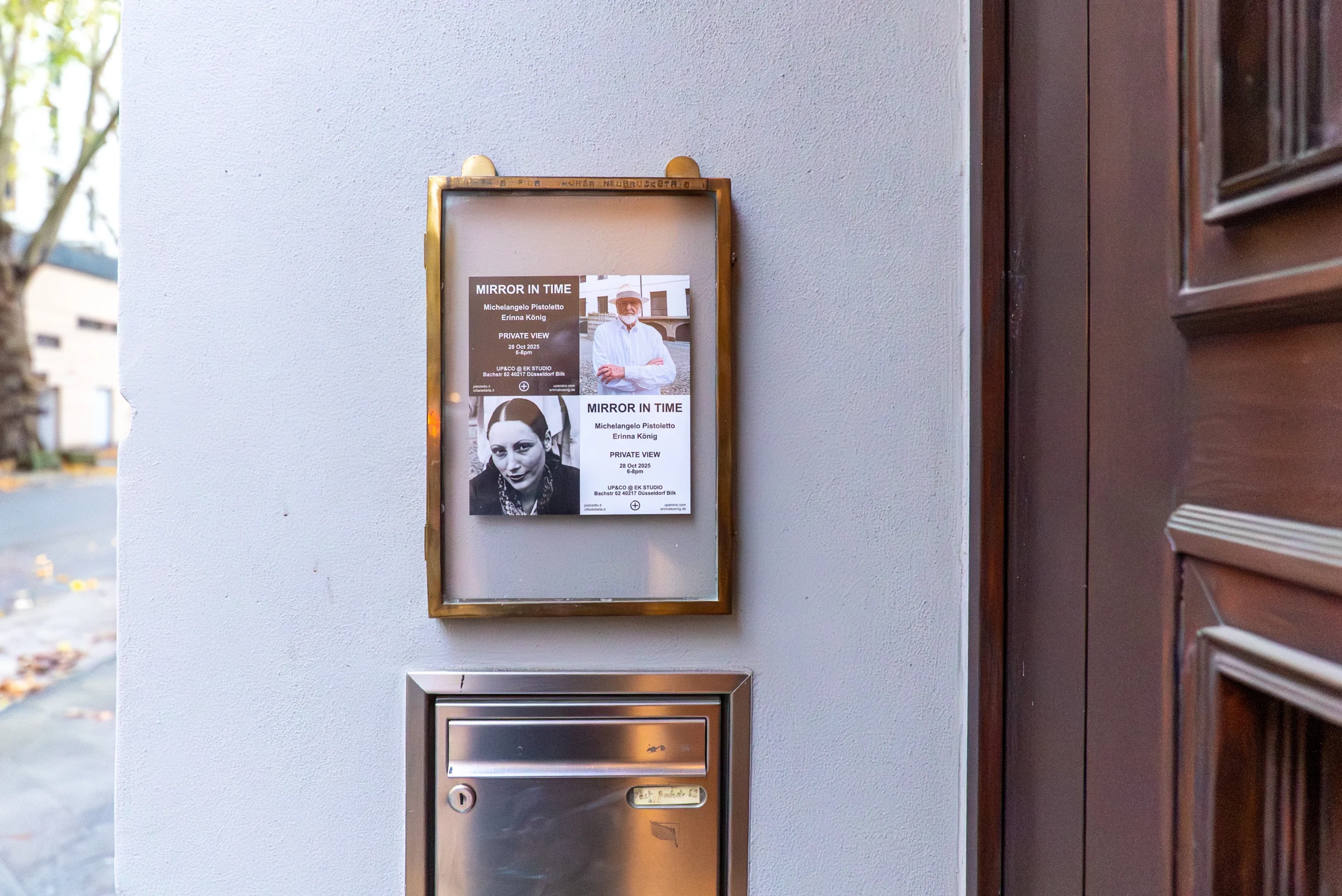
MIRROR IN TIME, Announcement, photo Jan Höhe
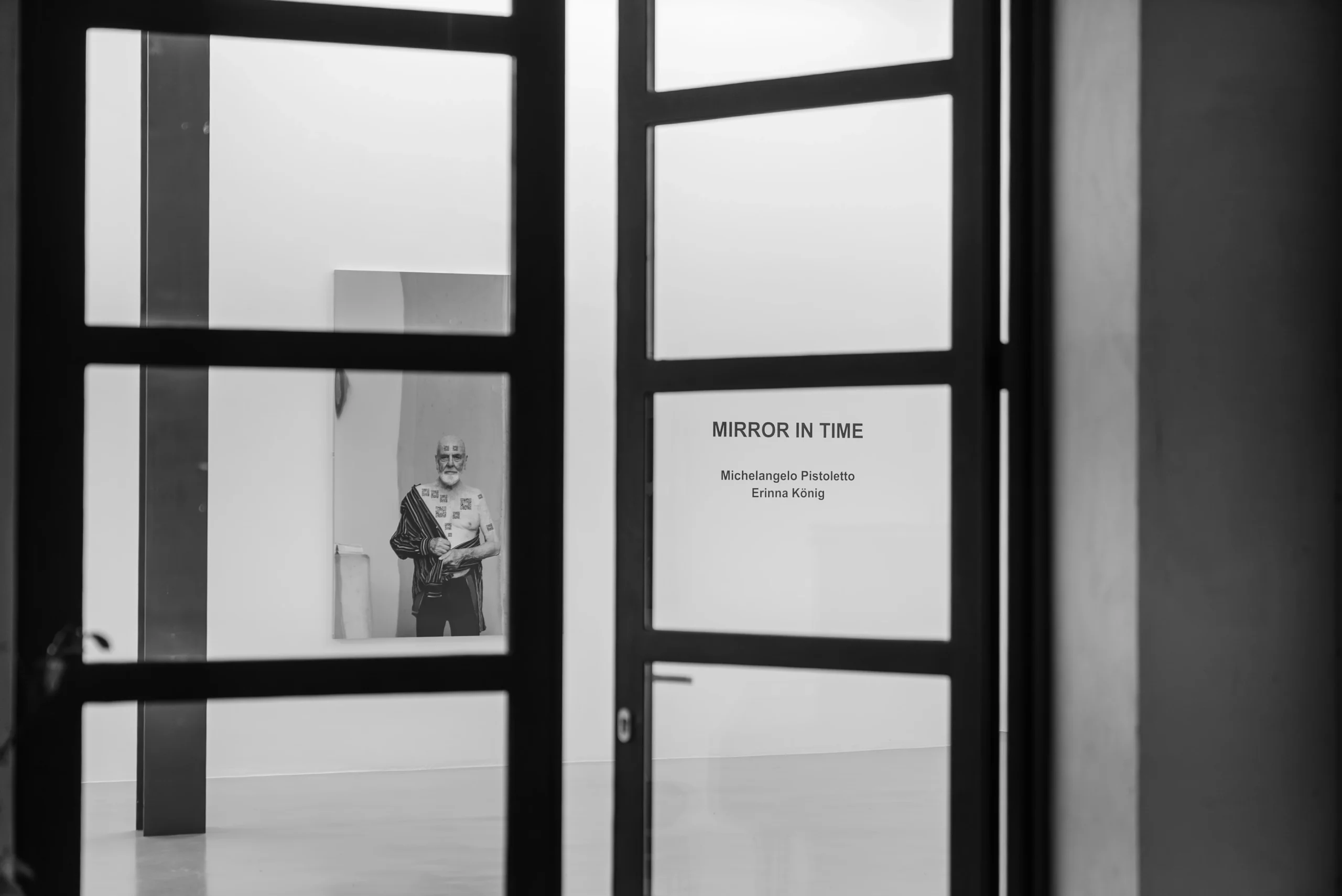
MIRROR IN TIME, photo Jan Höhe
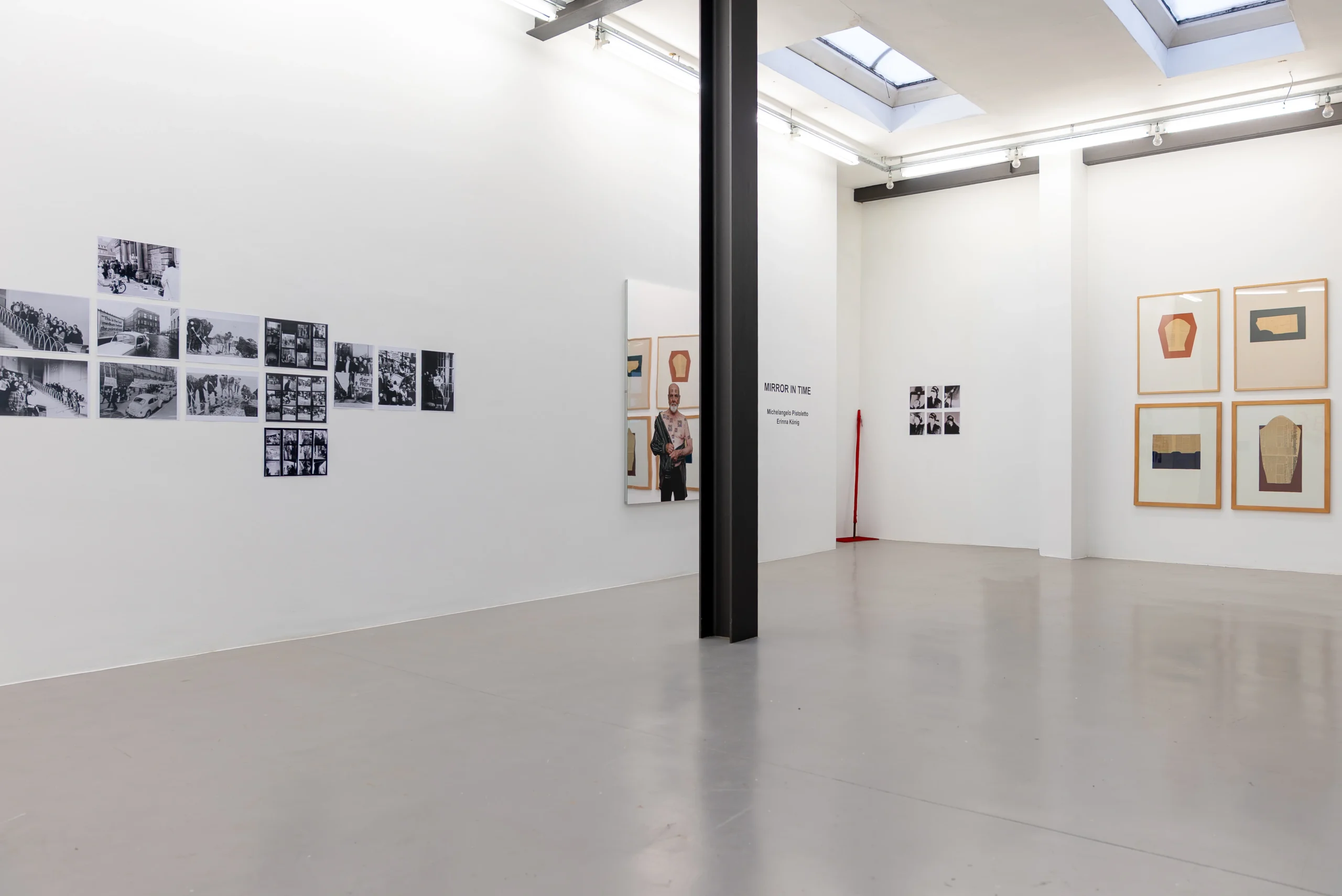
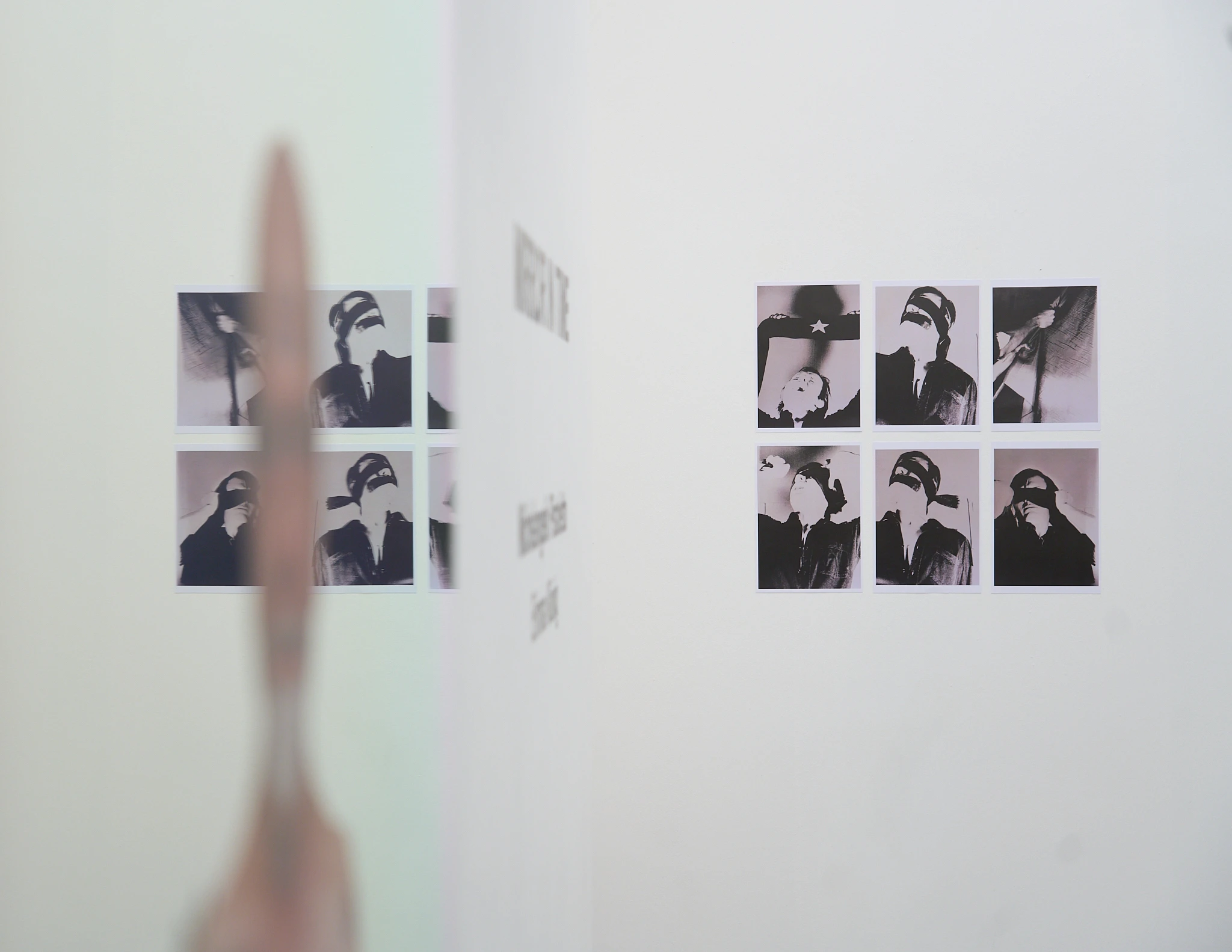
MIRROR IN TIME, roomview, photo Jan Höhe
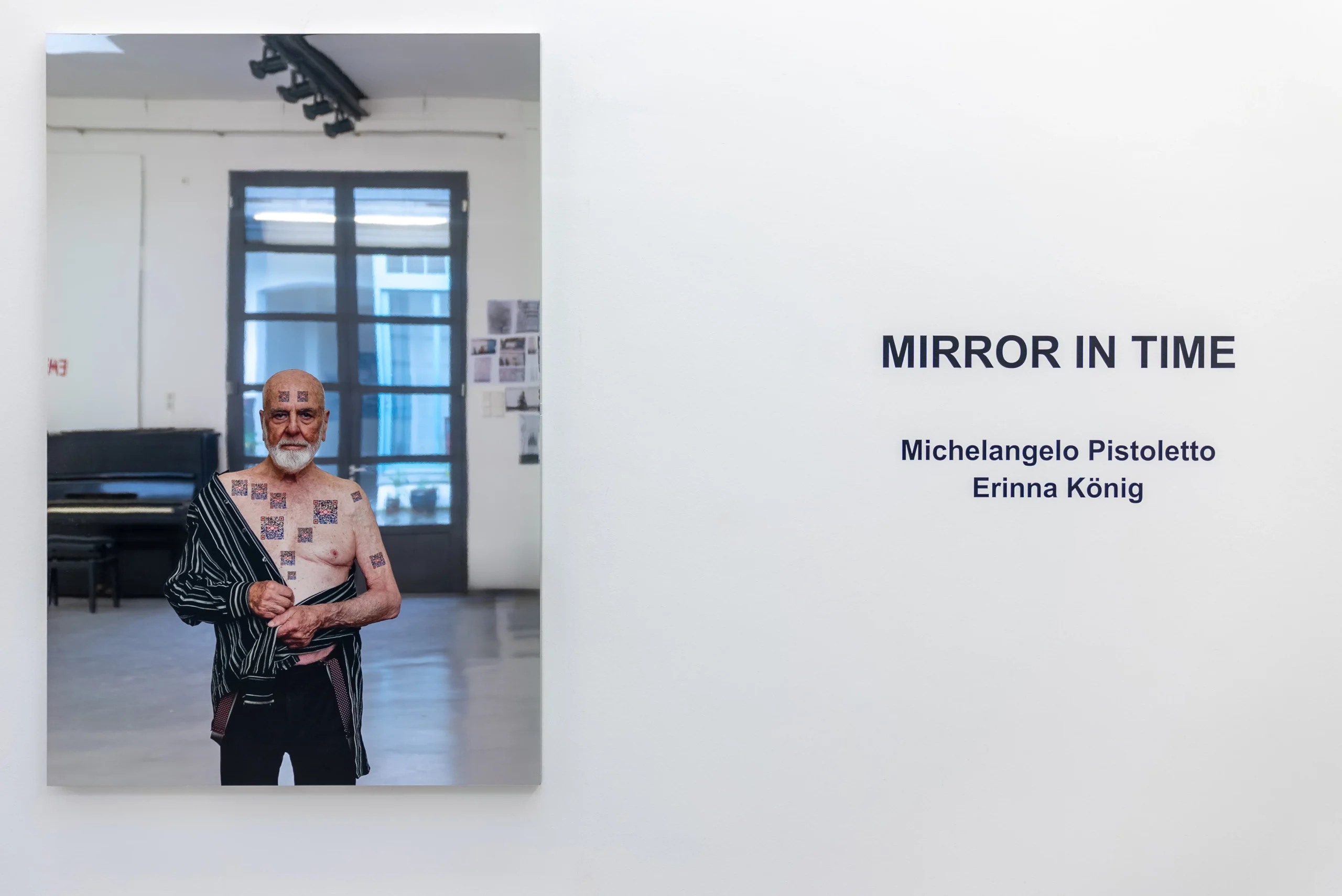
MIRROR IN TIME, QR Code Possession – Autoritratto, 2019-2023, Michelangelo Pistoletto, photo Jan Höhe
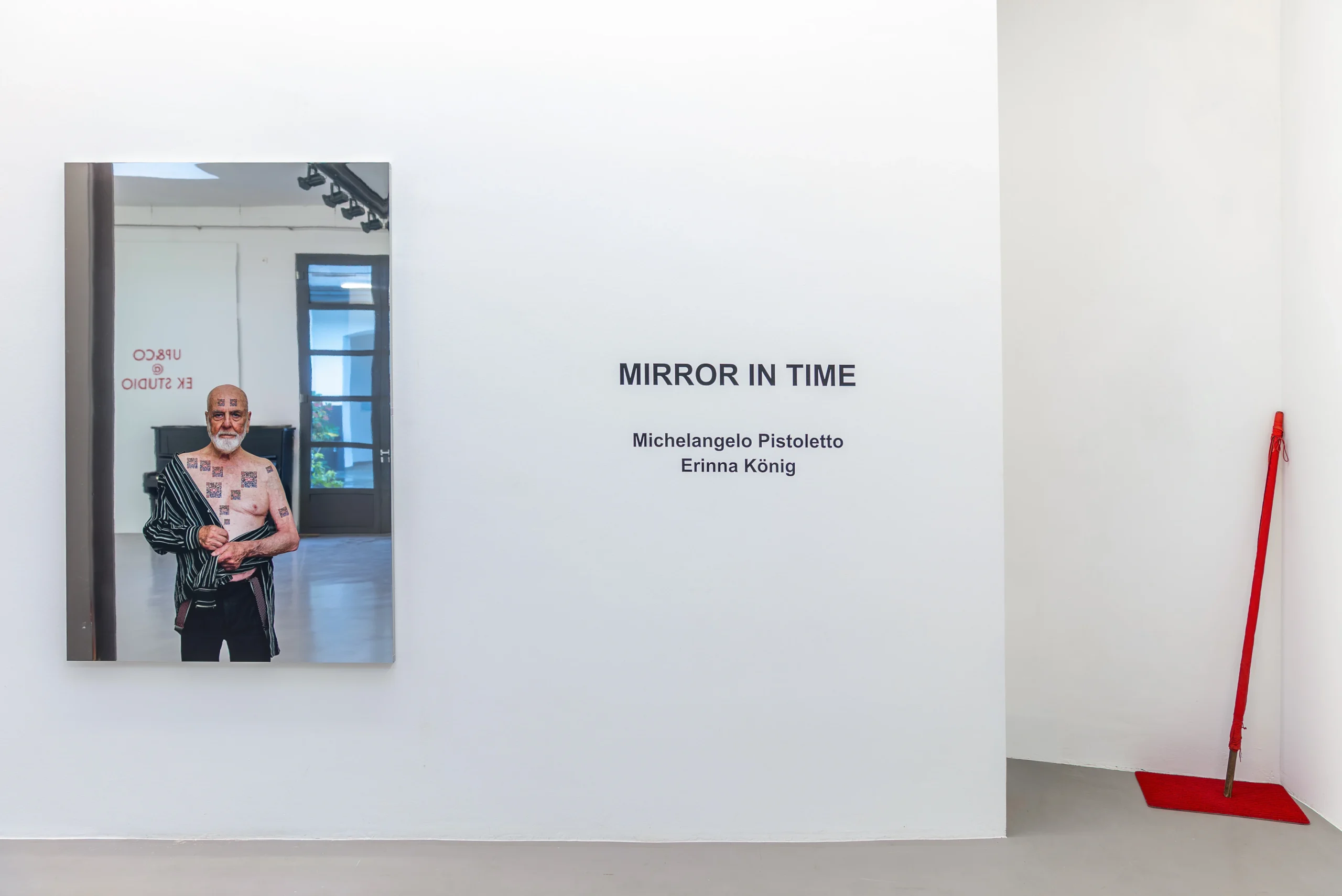
QR Code Possession – Autoritratto, 2019-2023, Michelangelo Pistoletto, photo Jan Höhe
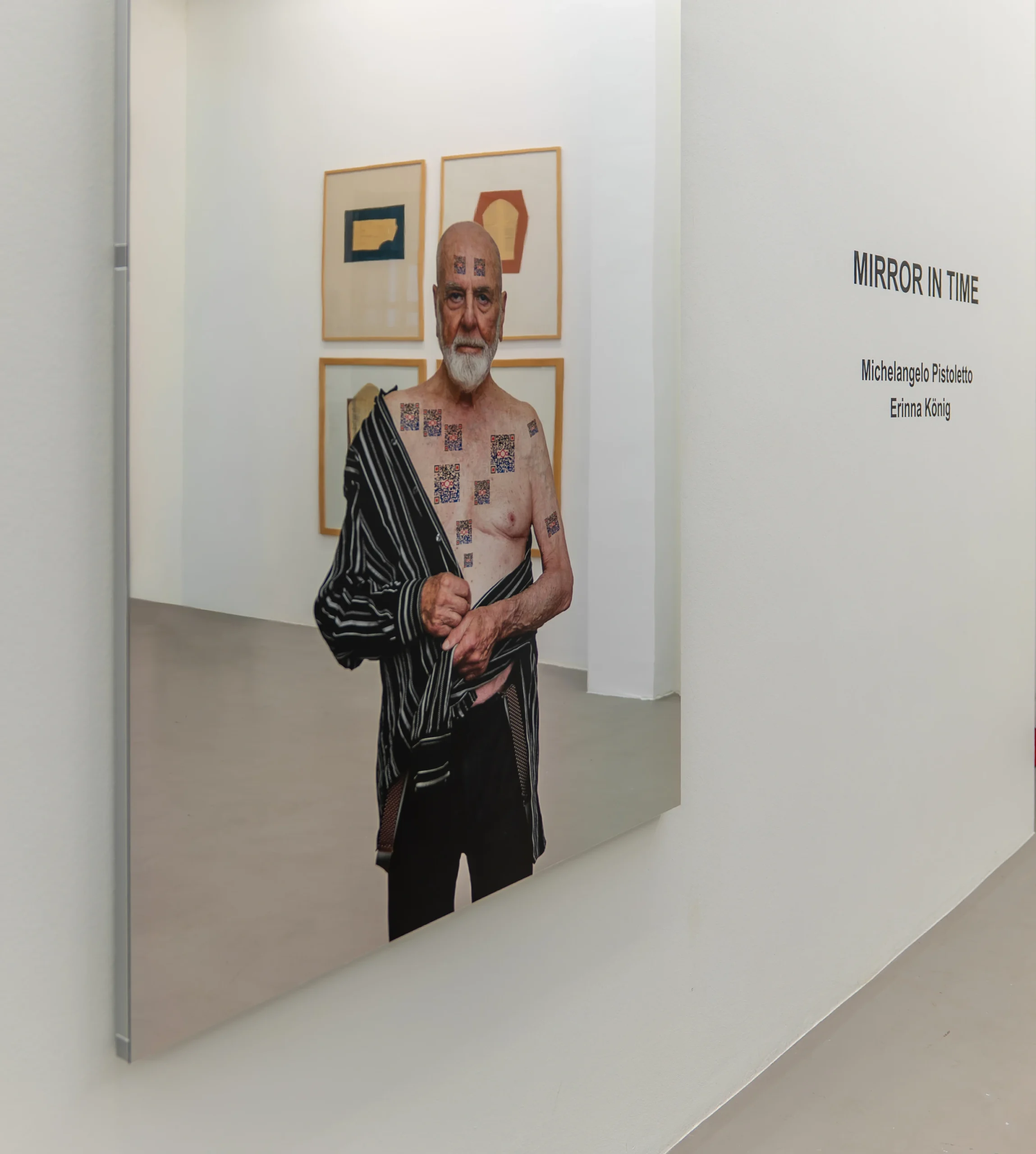
QR Code Possession – Autoritratto, 2019-2023, Michelangelo Pistoletto, Patterns, 1987-90, Erinna König, photo Jan Höhe
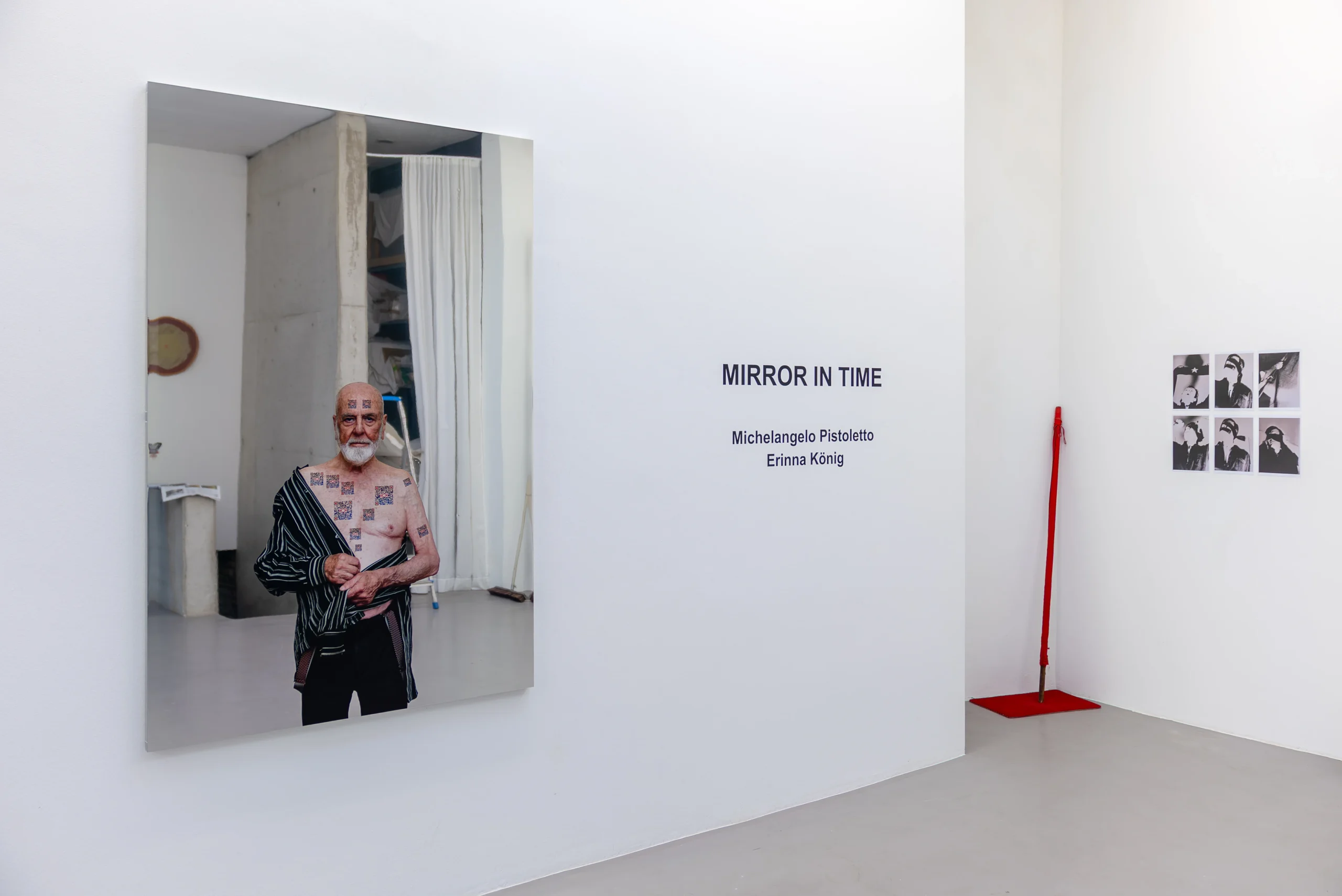
QR Code Possession – Autoritratto, 2019-2023, Michelangelo Pistoletto, Red Flag, 1983, Erinna König, photo Jan Höhe
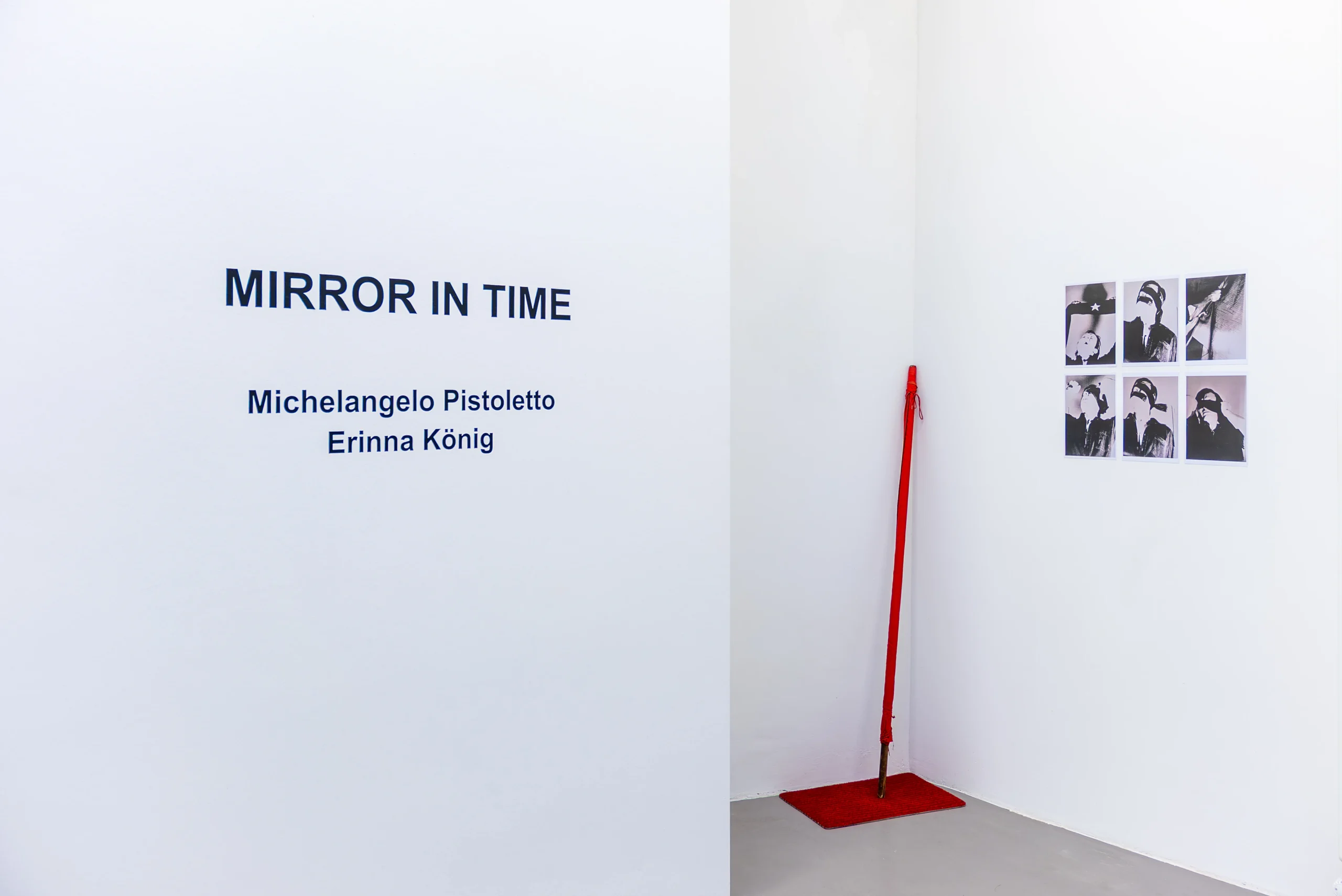
MIRROR IN TIME, red flag, 1983, Erinna König, Anatomical Studies for posters, 1973, Erinna König
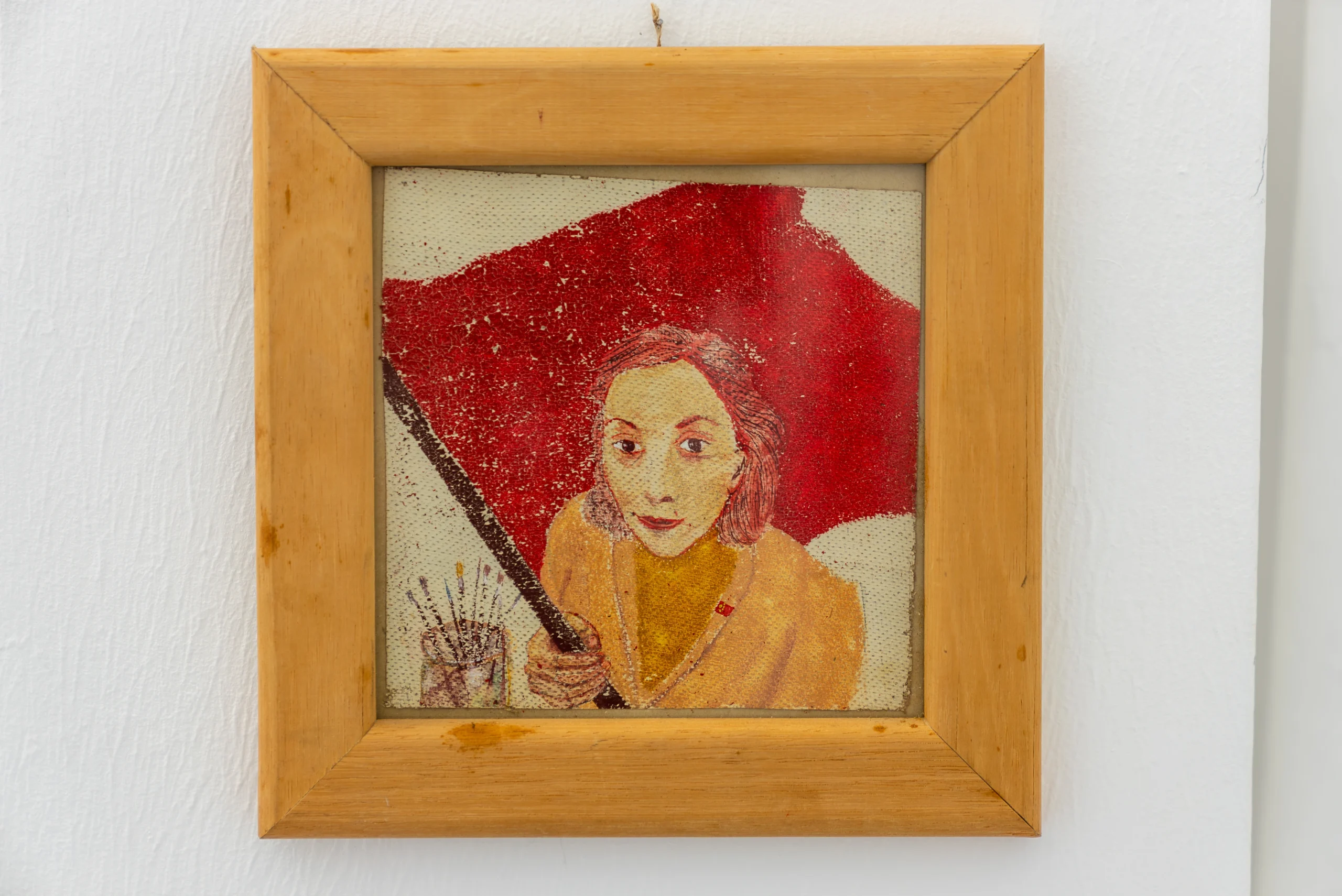
Self with red flag, 1978, Erinna König
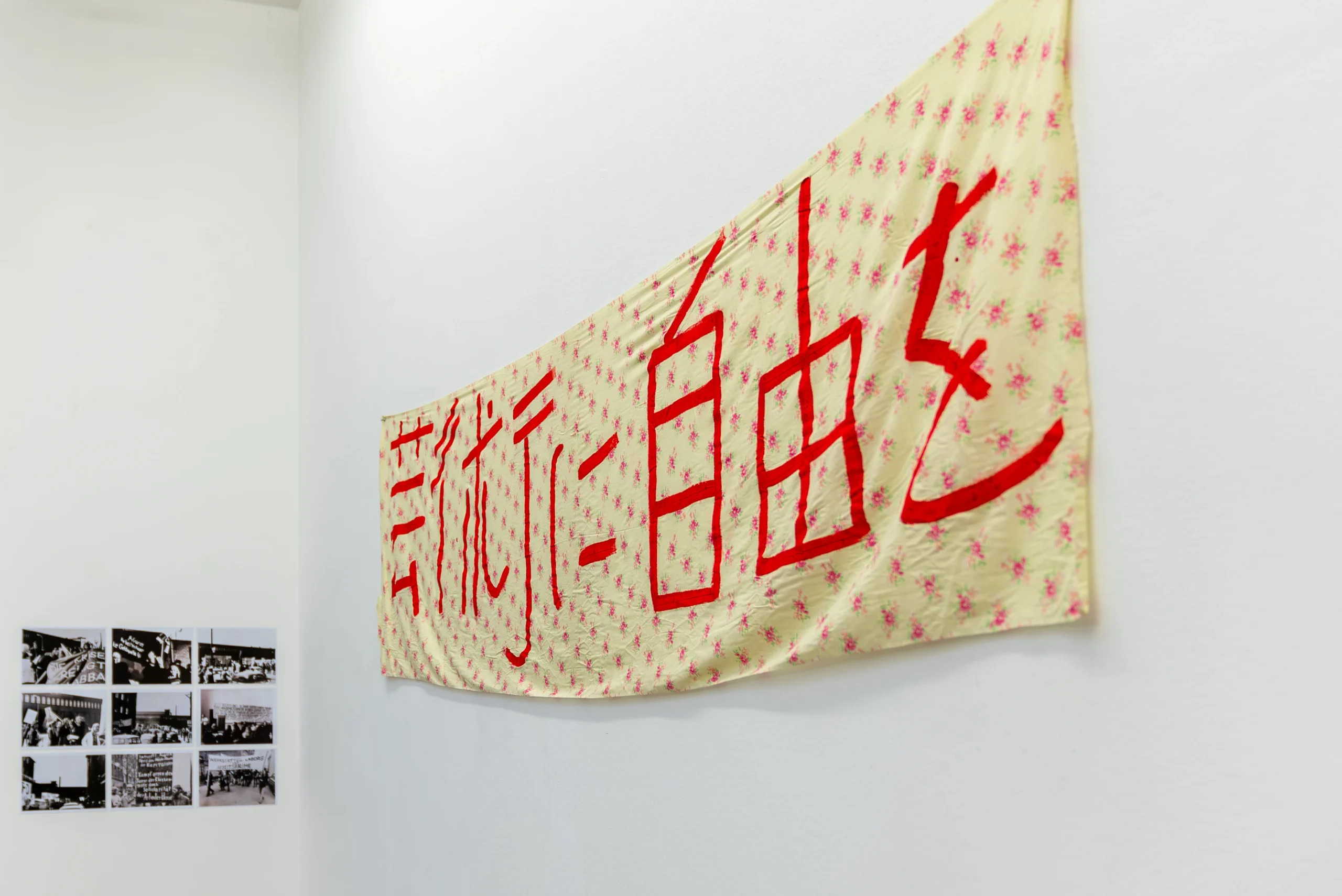
Freedom For Art, in Japanese writing, protest banner, 1970, Erinna König
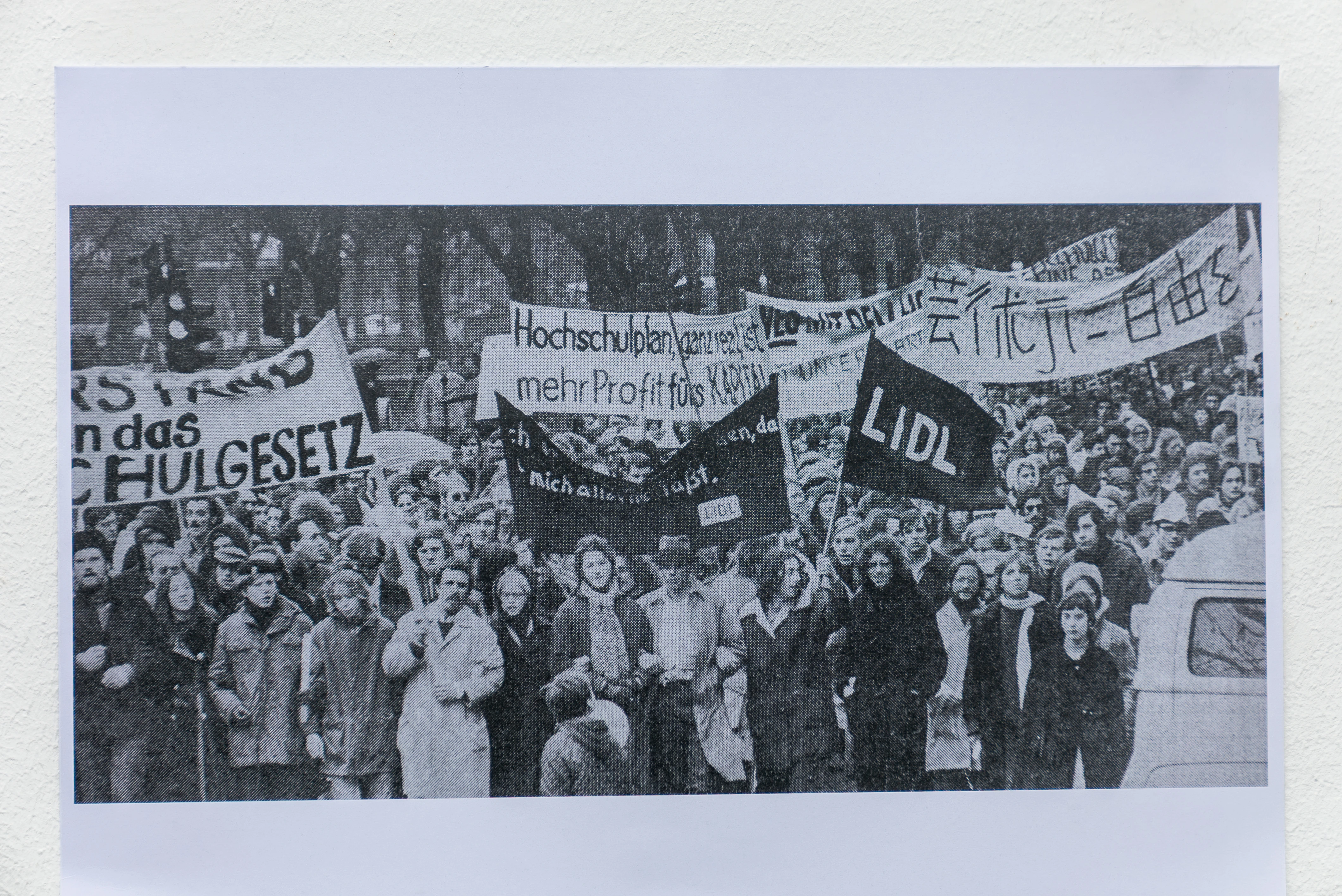
Lidl Demonstration, 1970 with ‚Freedom For Art,‘ in Japanese writing, protest banner, 1970, Erinna König
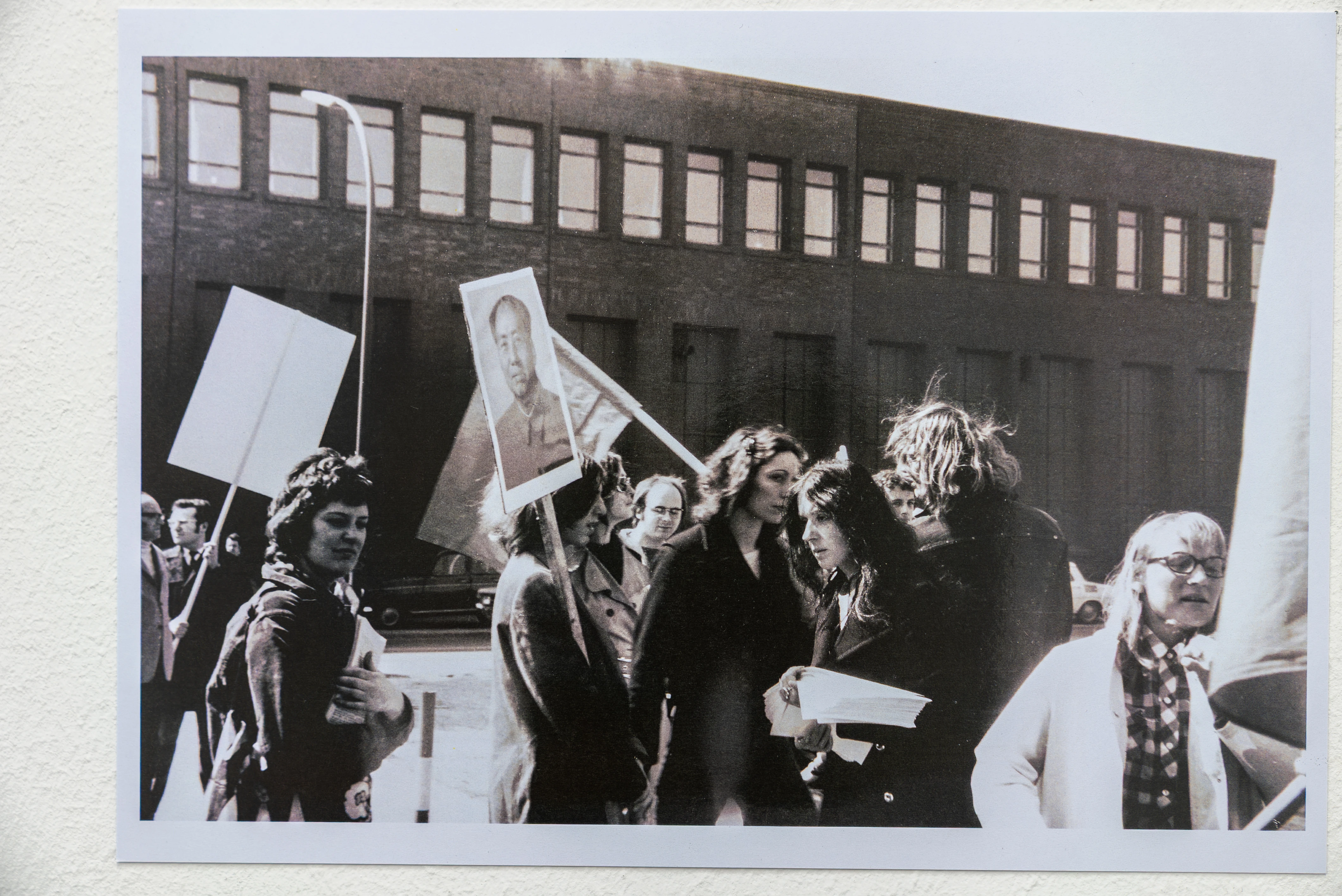
1 May 1971 march in Dortmund, Erinna König, Albert Oehlen photo Henning Brandis
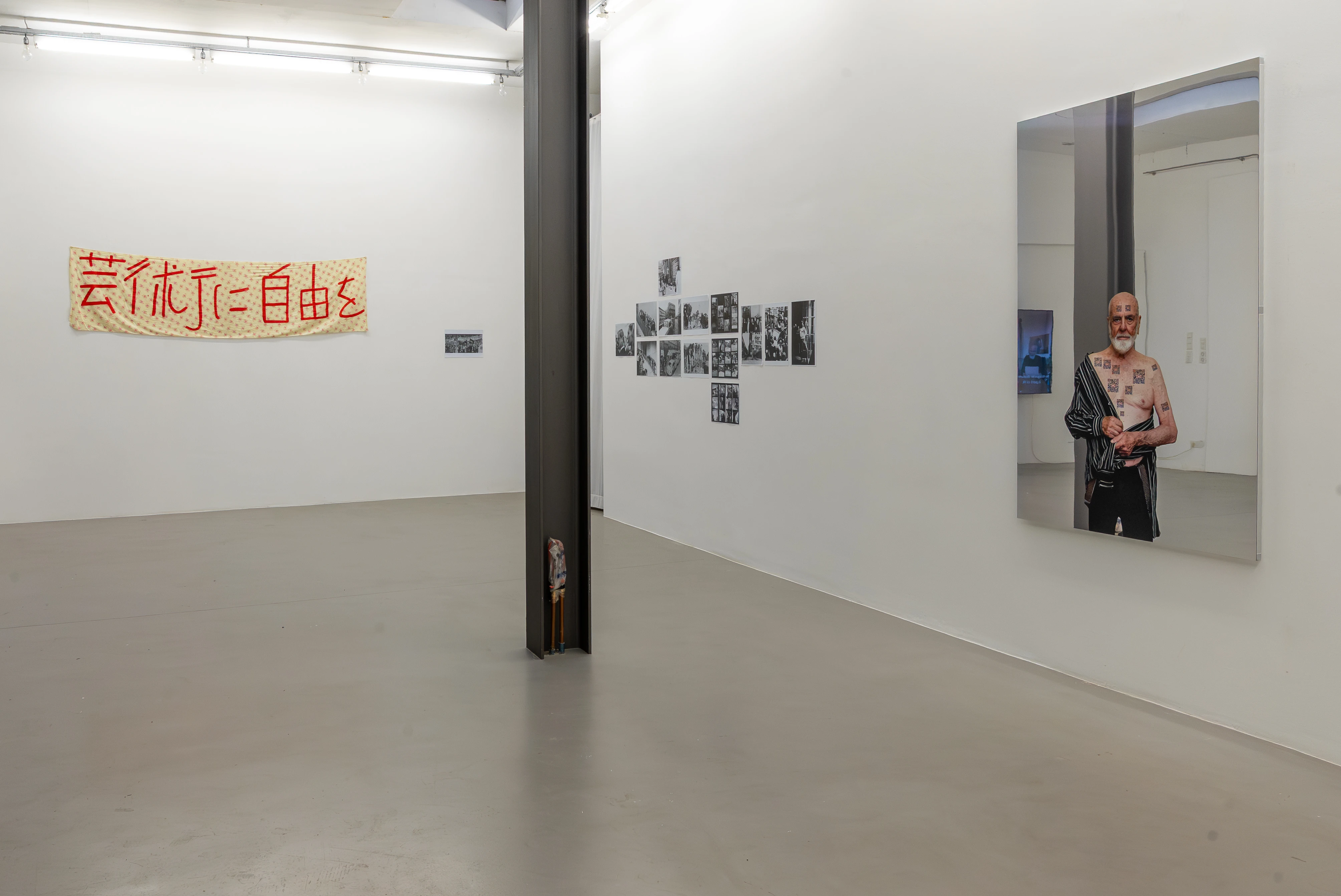
MIRROR IN TIME, roomview
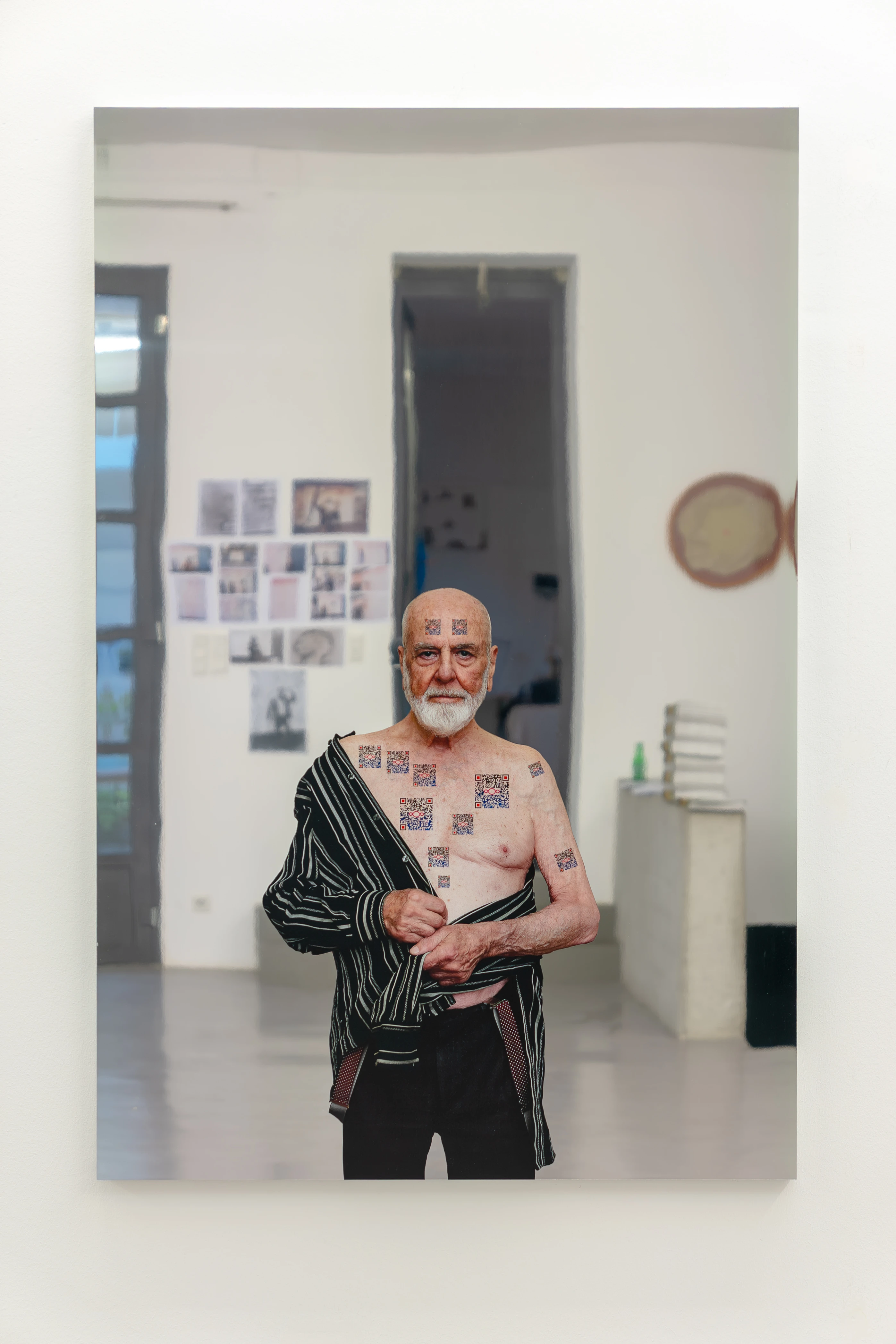
QR Code Possession – Autoritratto, 2019-2023, Michelangelo Pistoletto
MIRROR IN TIME
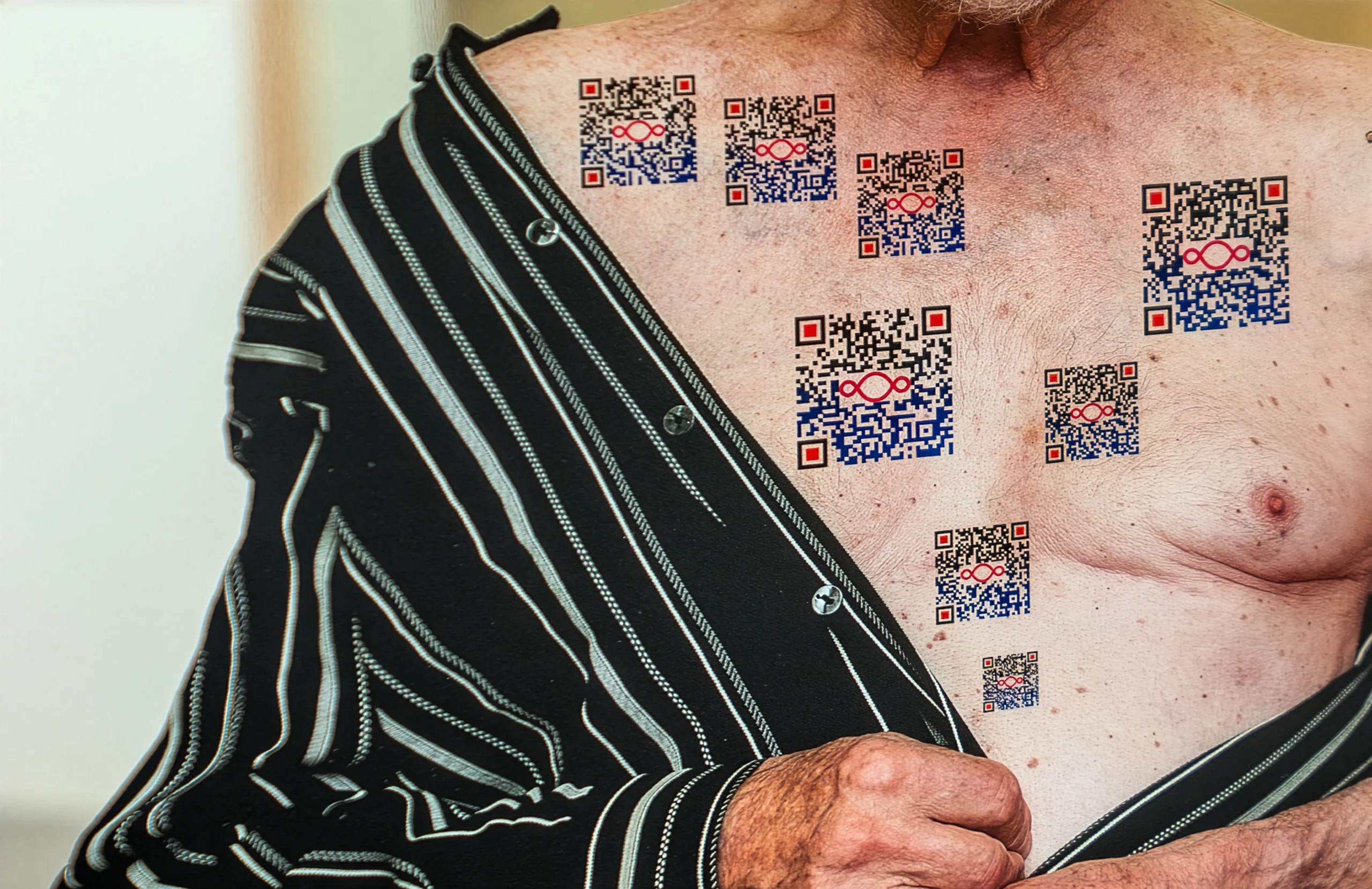
QR Code Possession – Autoritratto, Detail, 2019-2023, Michelangelo Pistoletto
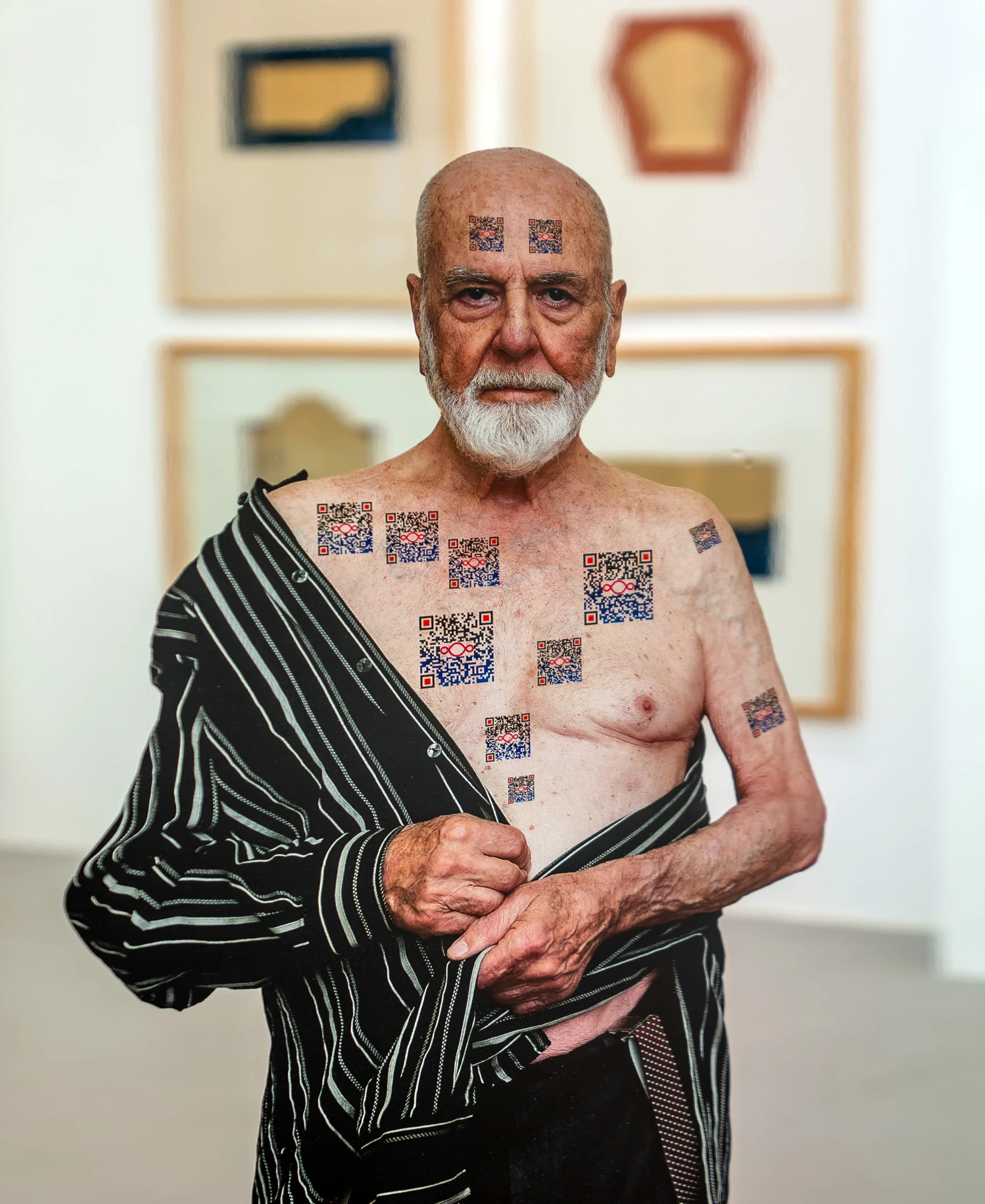
QR Code Possession – Autoritratto, 2019-2023, Michelangelo Pistoletto, Patterns,1987-90. Erinna König
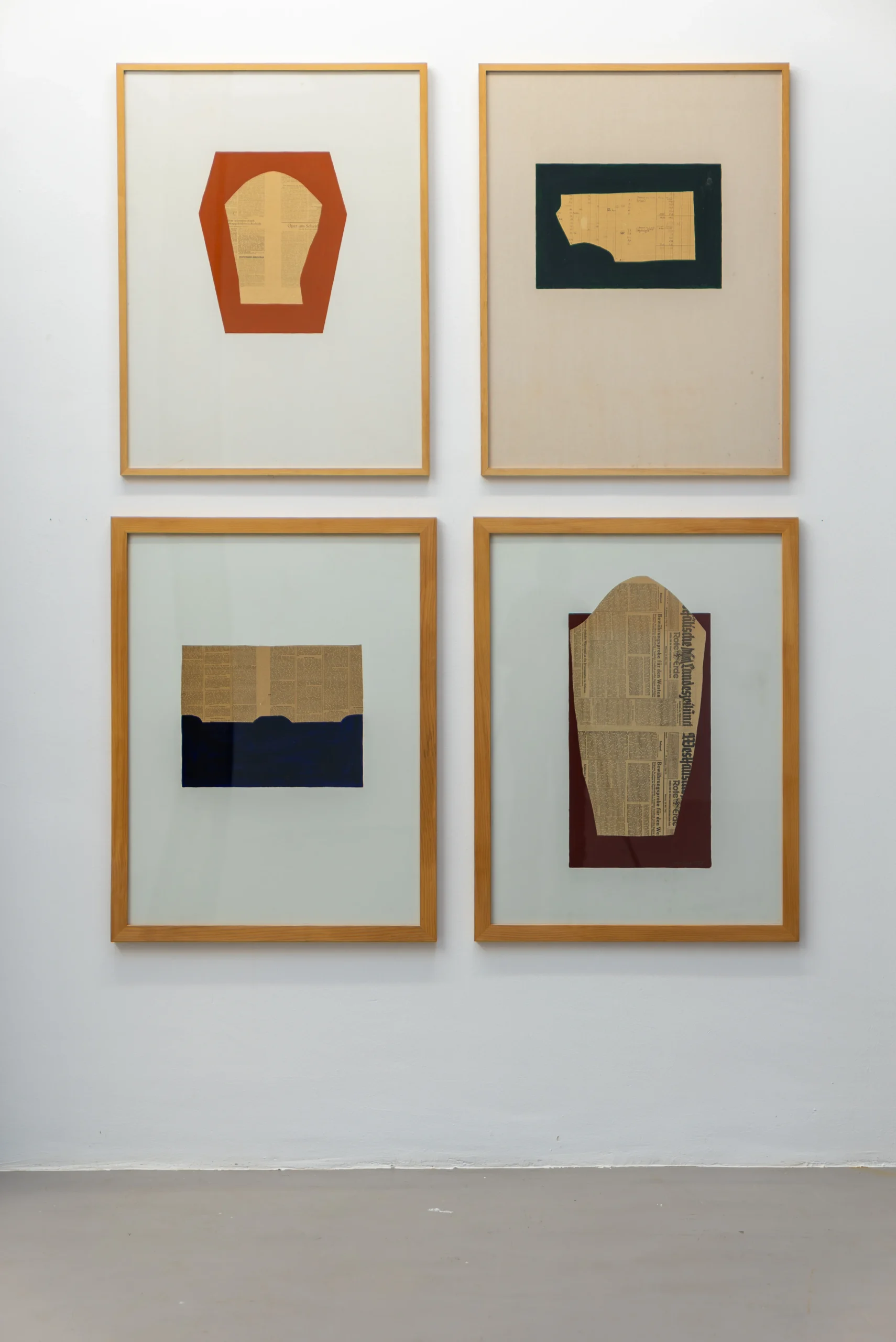
Patterns [Schnittmuster], 1987-1990, Erinna König
![Pattern [Schnittmuster], Red Earth [Rote Erde], 1987](https://erinnakoenig.de/wp-content/uploads/2025/11/13a_A7S4871-scaled.webp)
Pattern [Schnittmuster], Red Earth [Rote Erde], 1987
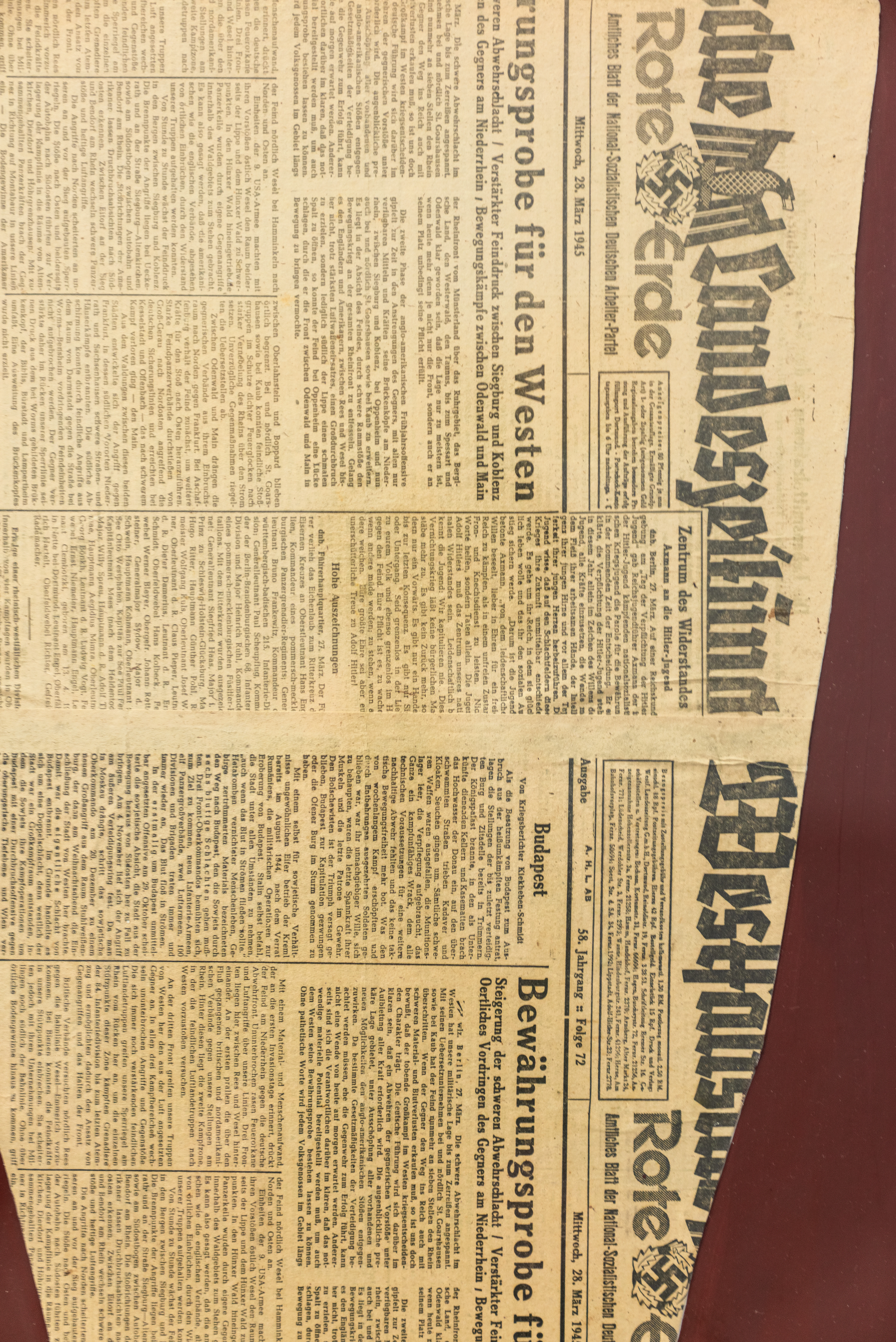
Pattern [Schnittmuster], Red Earth [Rote Erde], Detail, 1987
Pattern [Schnittmuster], Red Earth [Rote Erde], Detail, 1987
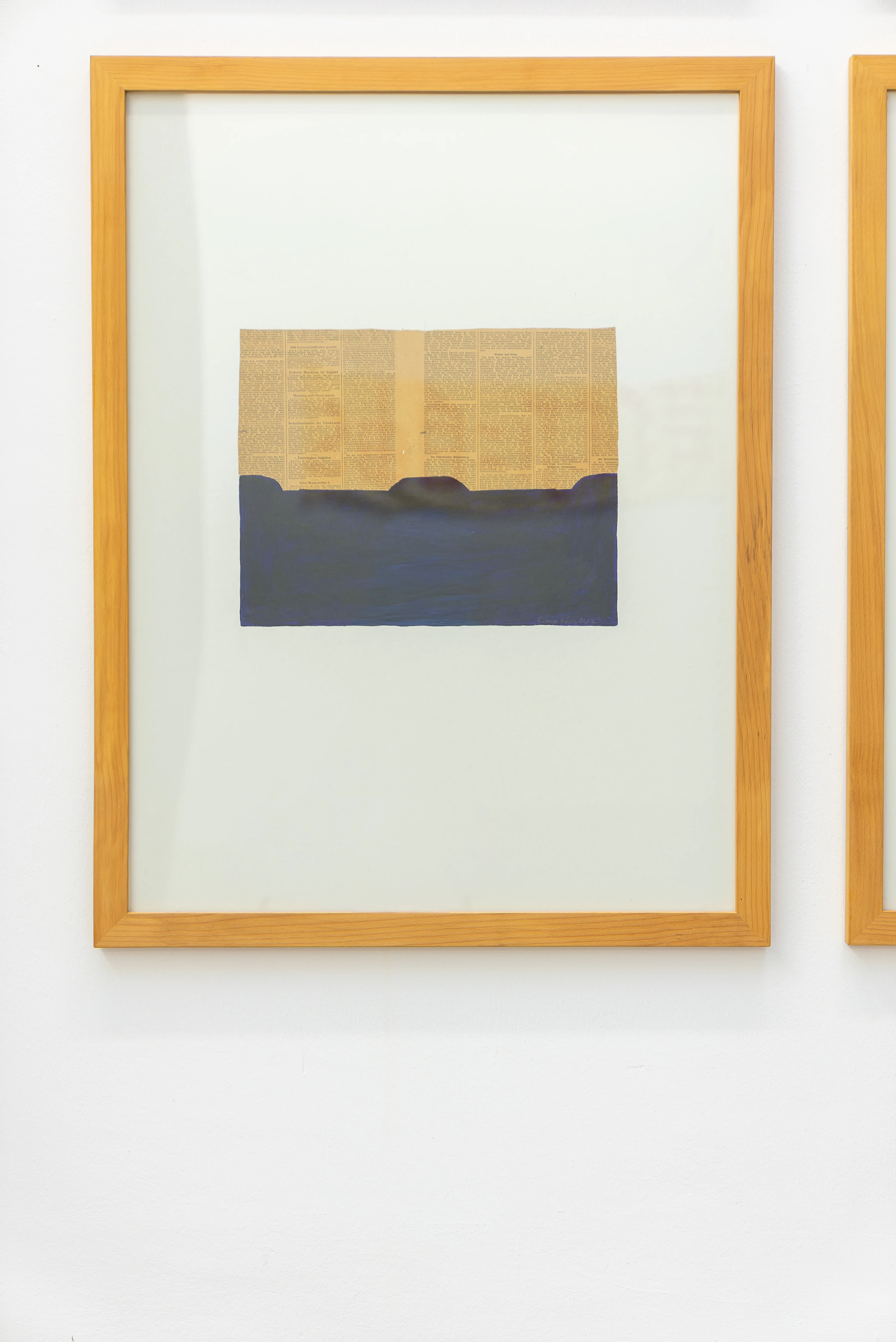
Pattern [Schnittmuster], West and East [Osten und Westen],1987, Erinna König
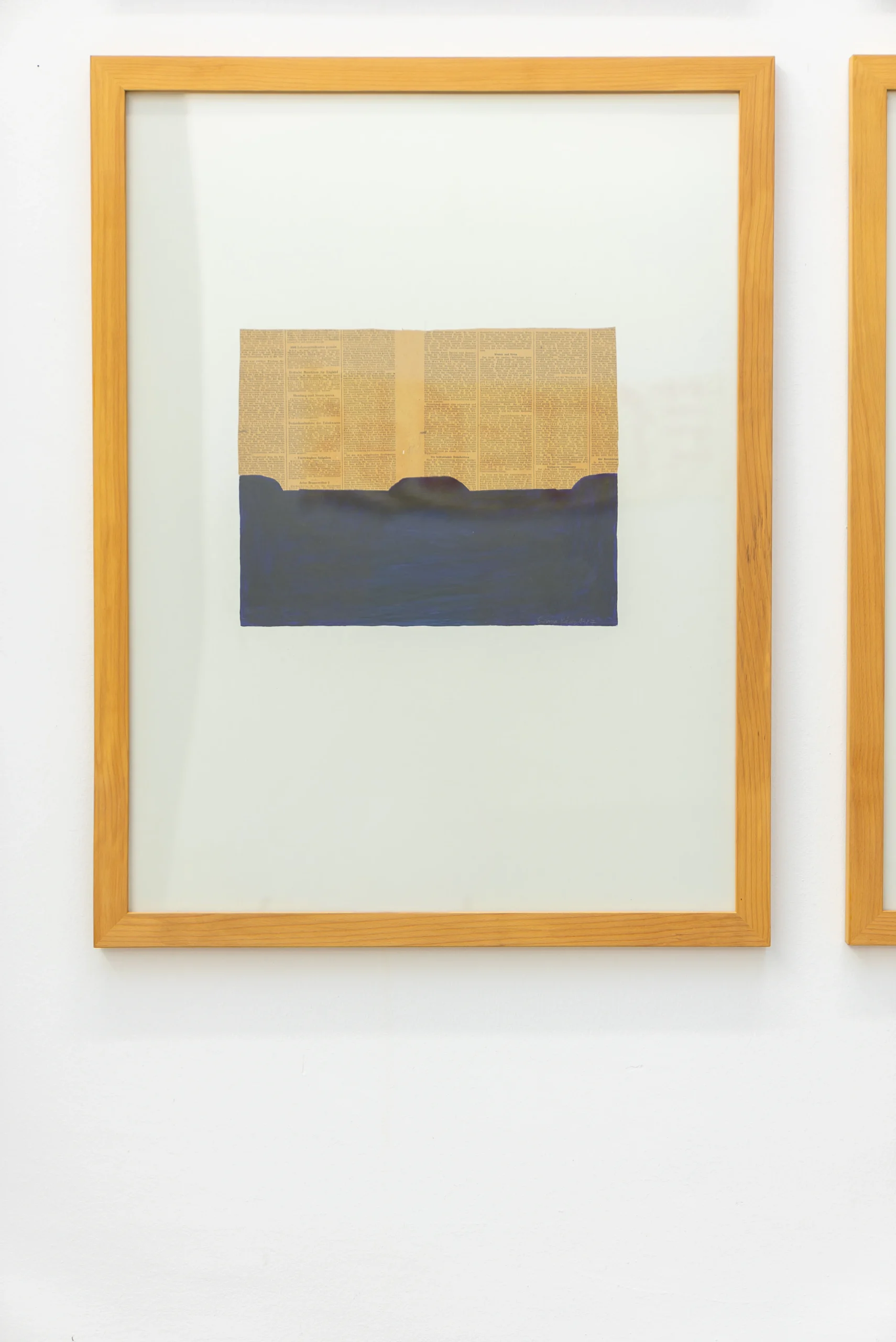
Pattern [Schnittmuster], West and East [Osten und Westen],1987, Erinna König
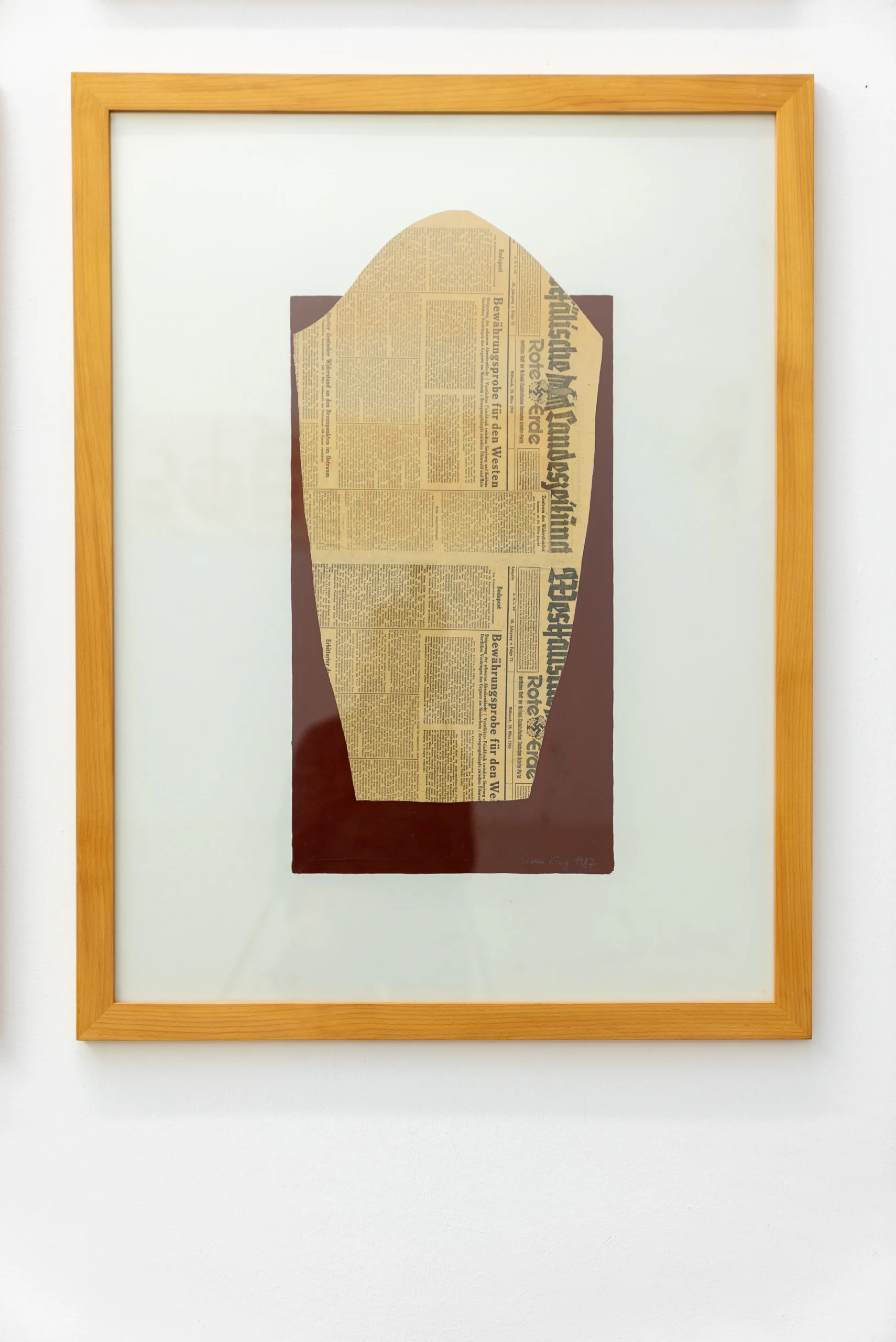
Pattern [Schnittmuster], Red Earth [Rote Erde], 1987
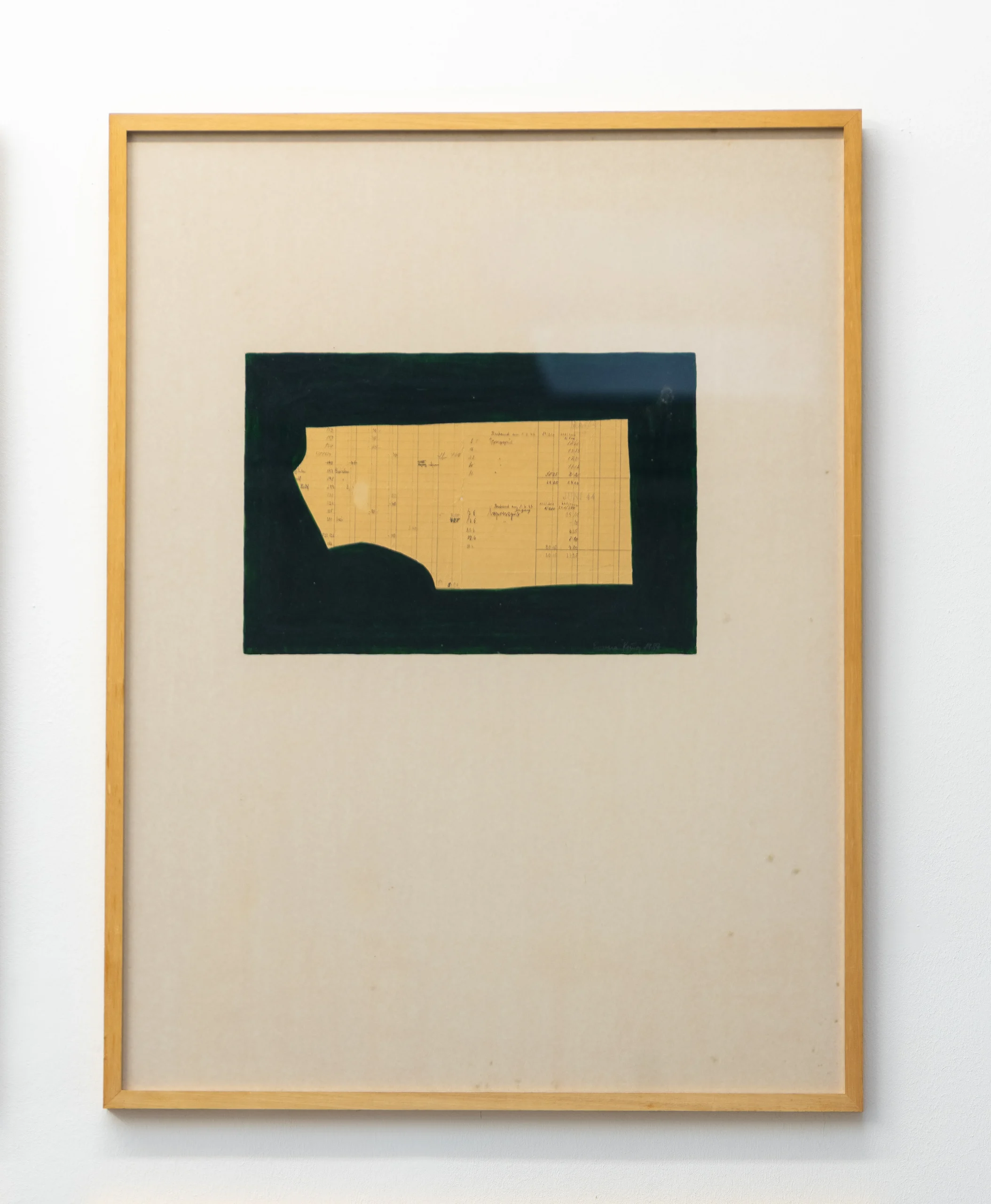
Pattern [Schnittmuster], express merchandise [Expressgut], 1987, Erinna König
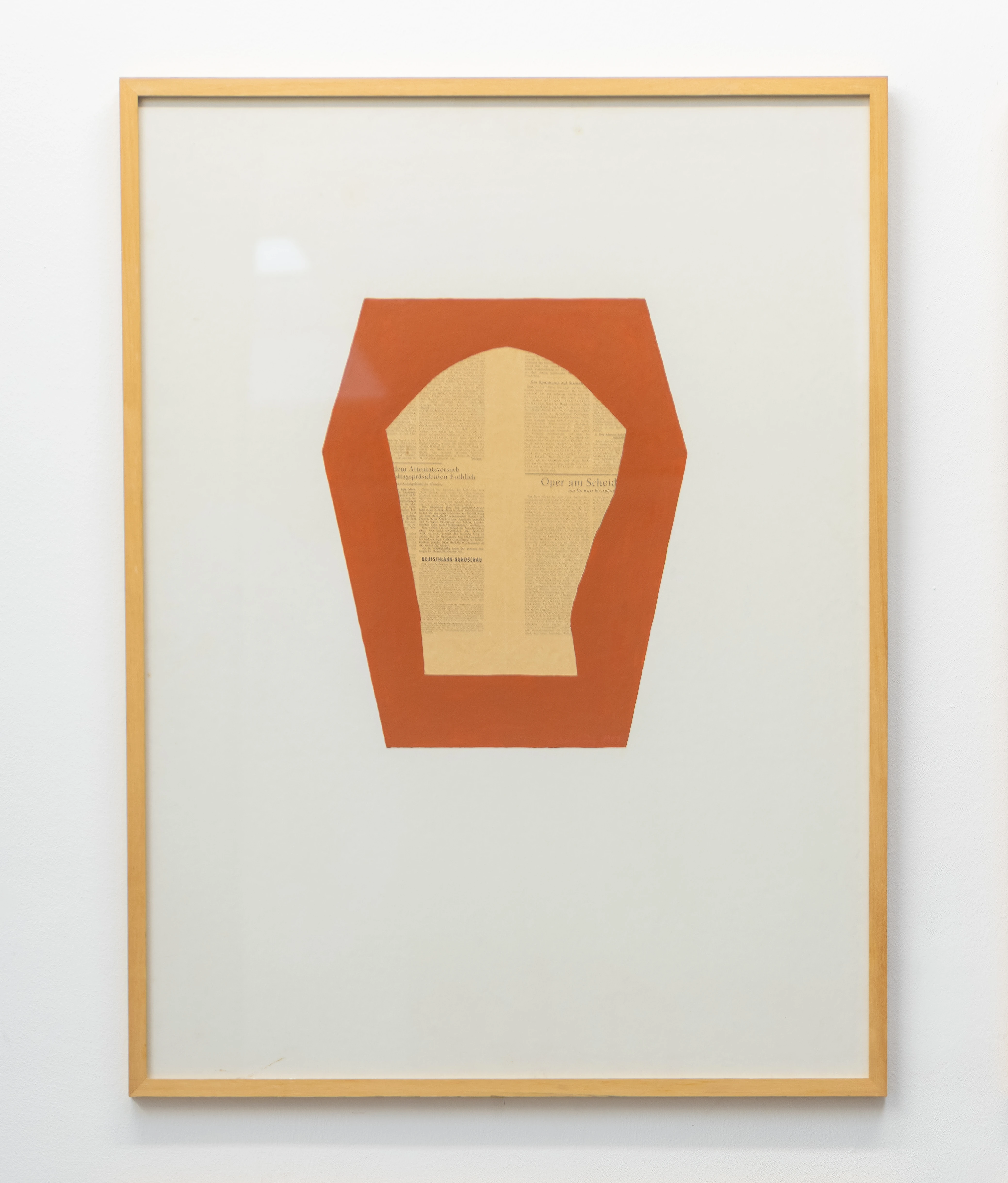
Pattern [Schnittmuster], Assassination Attempt [Attentatsversuch] 1990, Erinna König
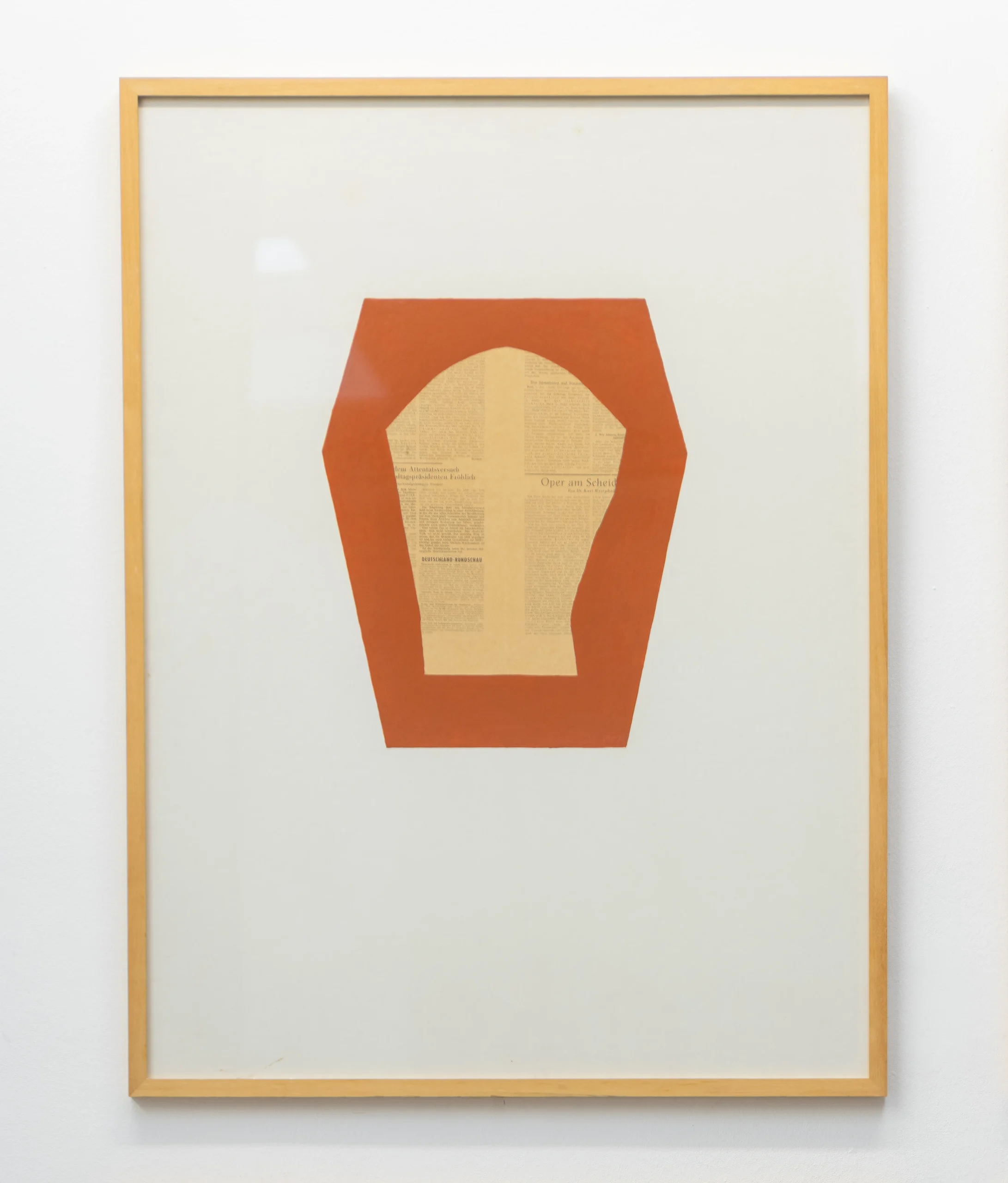
Pattern [Schnittmuster], Assassination Attempt [Attentatsversuch] 1990, Erinna König
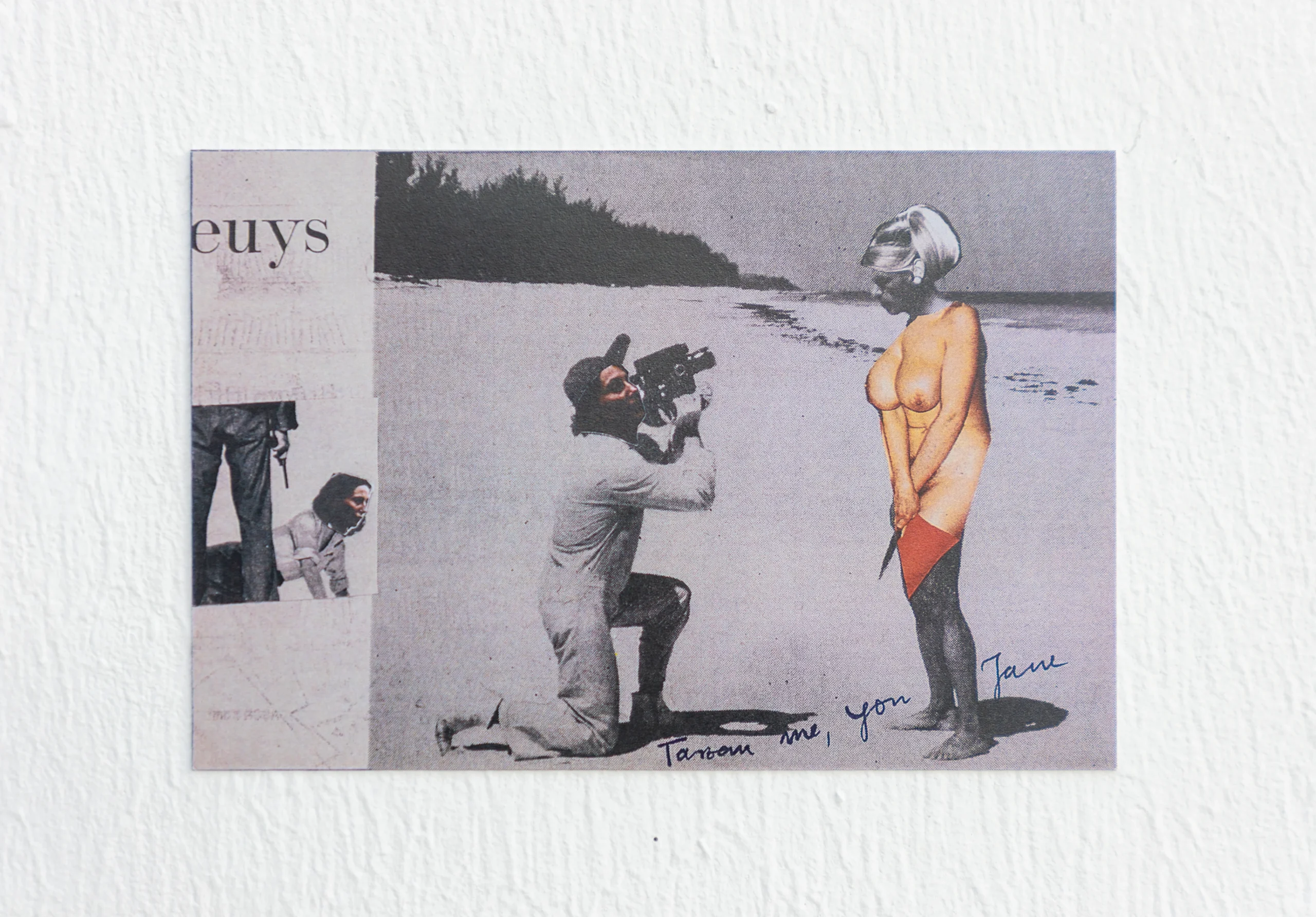
Print artwork for postcard, 1976, Erinna König
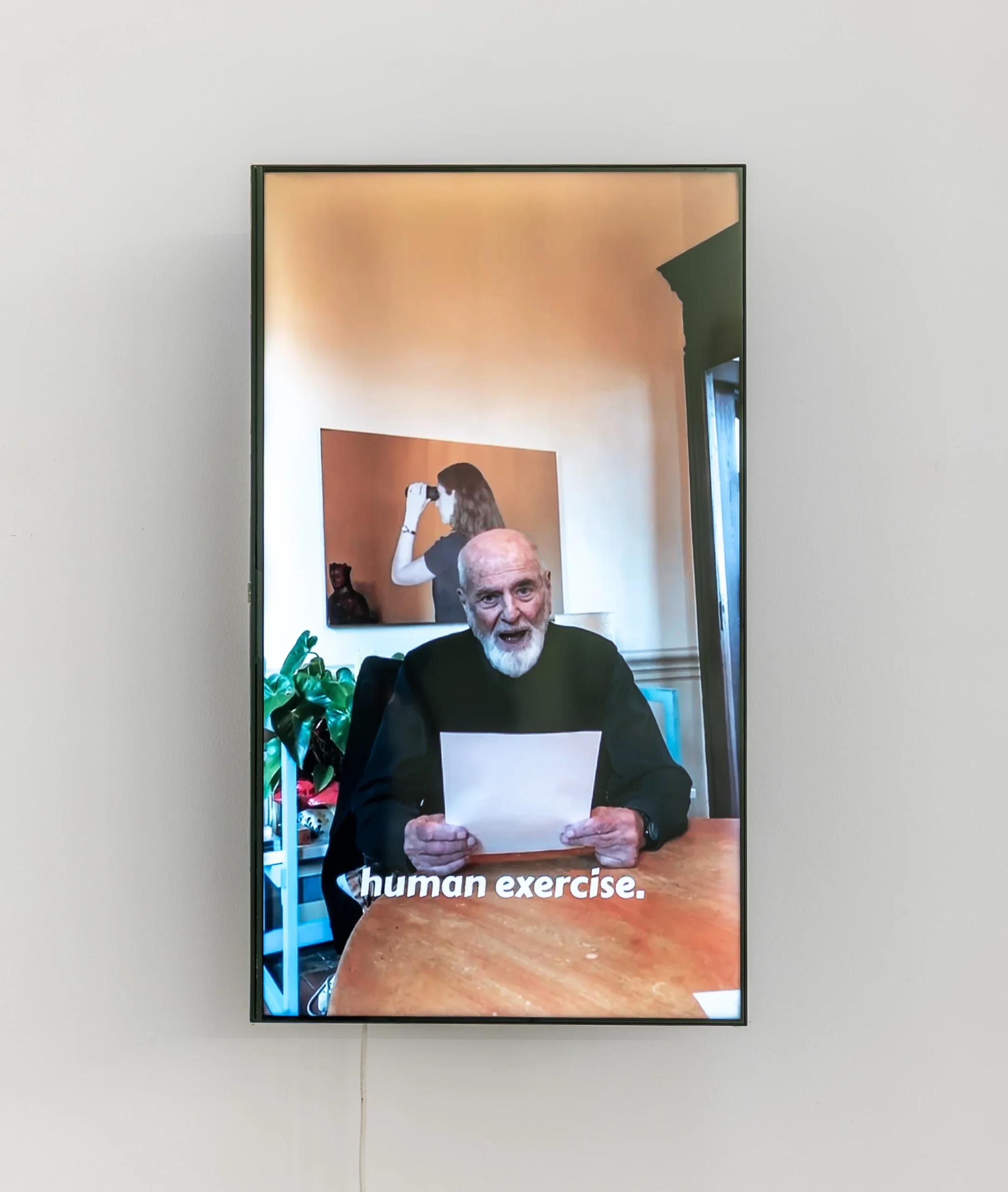
Pace preventivo, 2025, video, Michelangelo Pistoletto
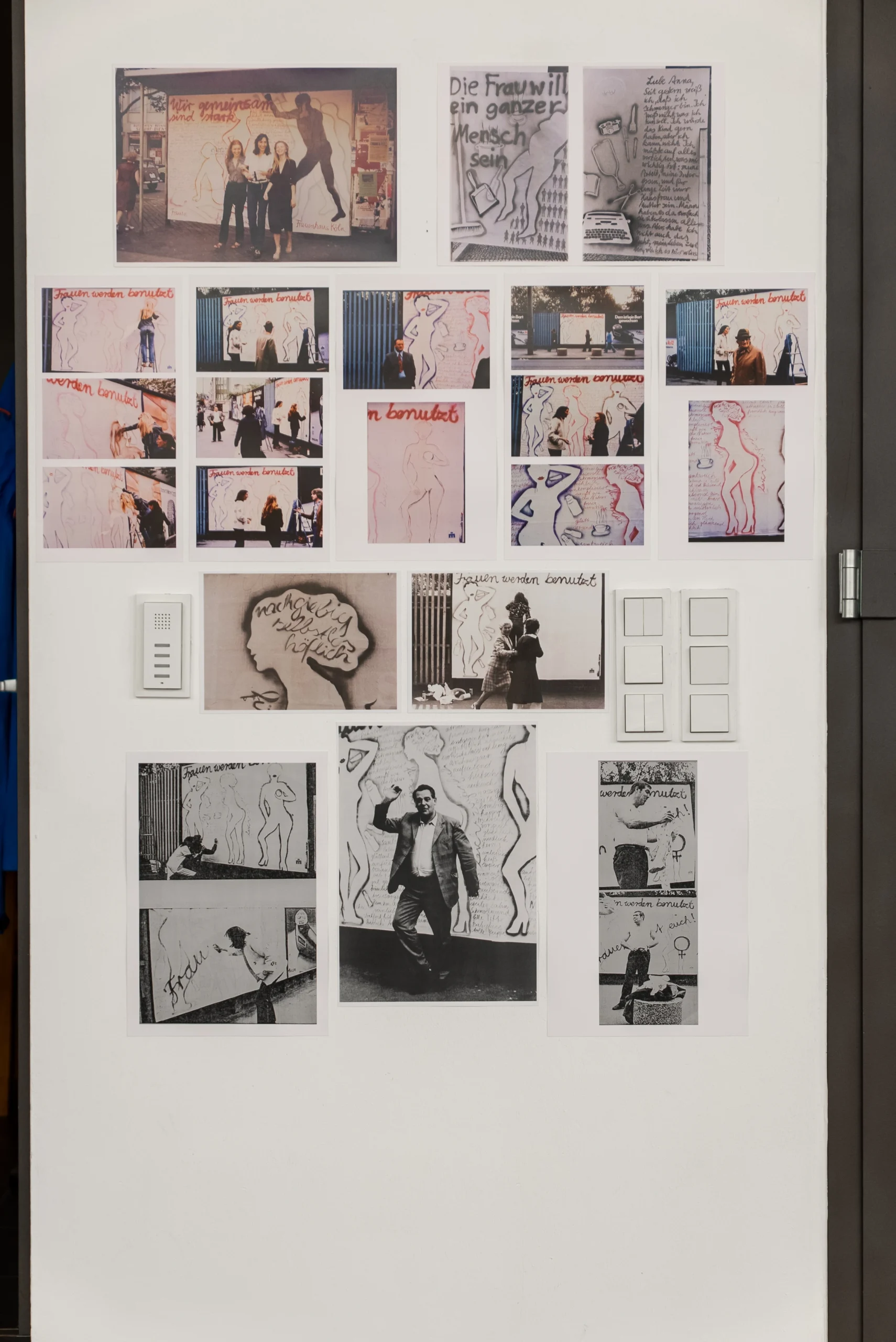
Photodocumentation, billboard action 1976, in Düsseldorf, Frankfurt, Berlin, Erinna König, Susanne Ebert, Maria Fisahn as part of the exhibition ‚Women Make Art‘, Gallery Magers, Bonn, installationphoto Jan Höhe
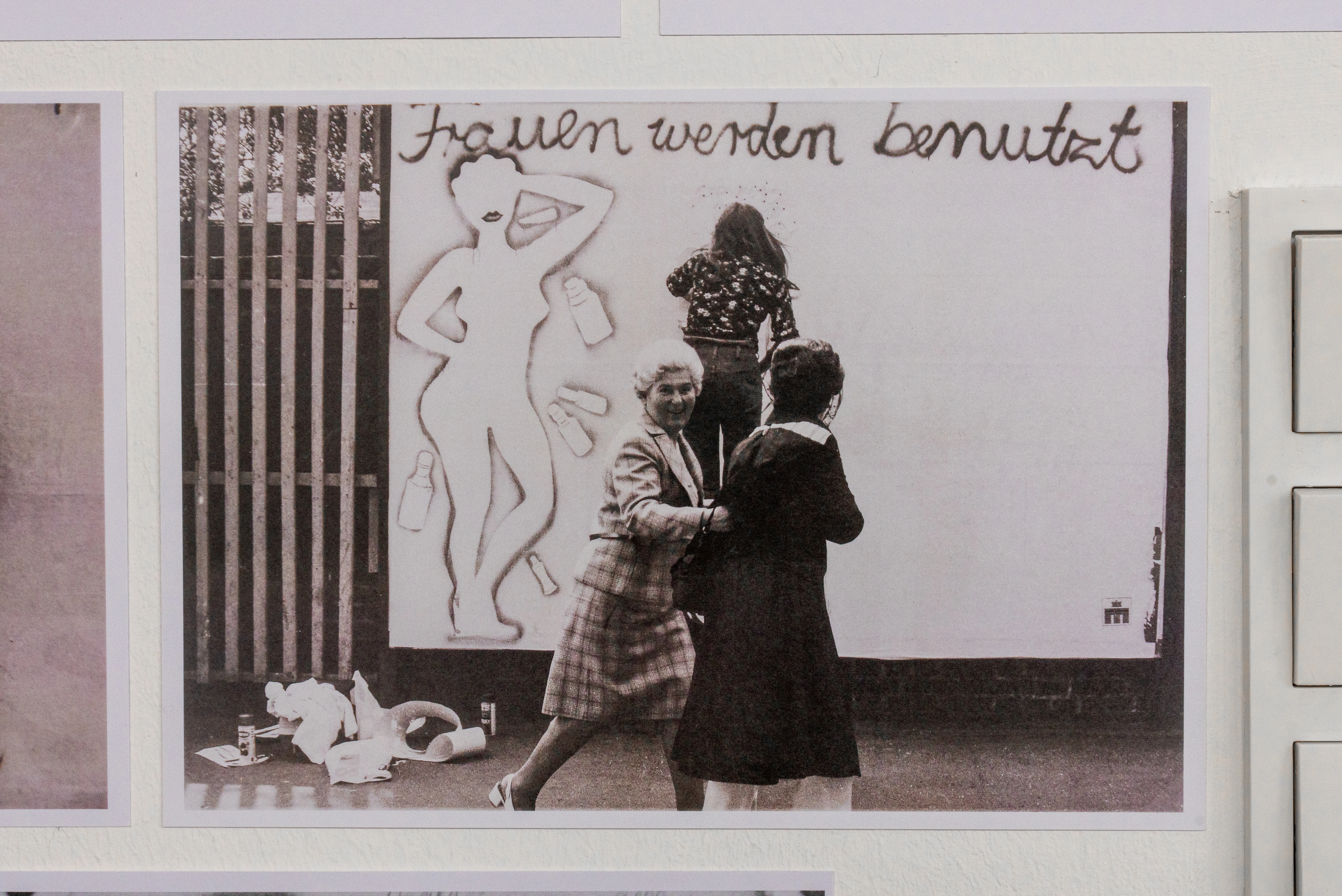
Photodocumentation, billboard action 1976, in Düsseldorf, Frankfurt, Berlin, Erinna König, Susanne Ebert, Maria Fisahn as part of the exhibition ‚Women Make Art‘, Gallery Magers, Bonn, installationphoto Jan Höhe
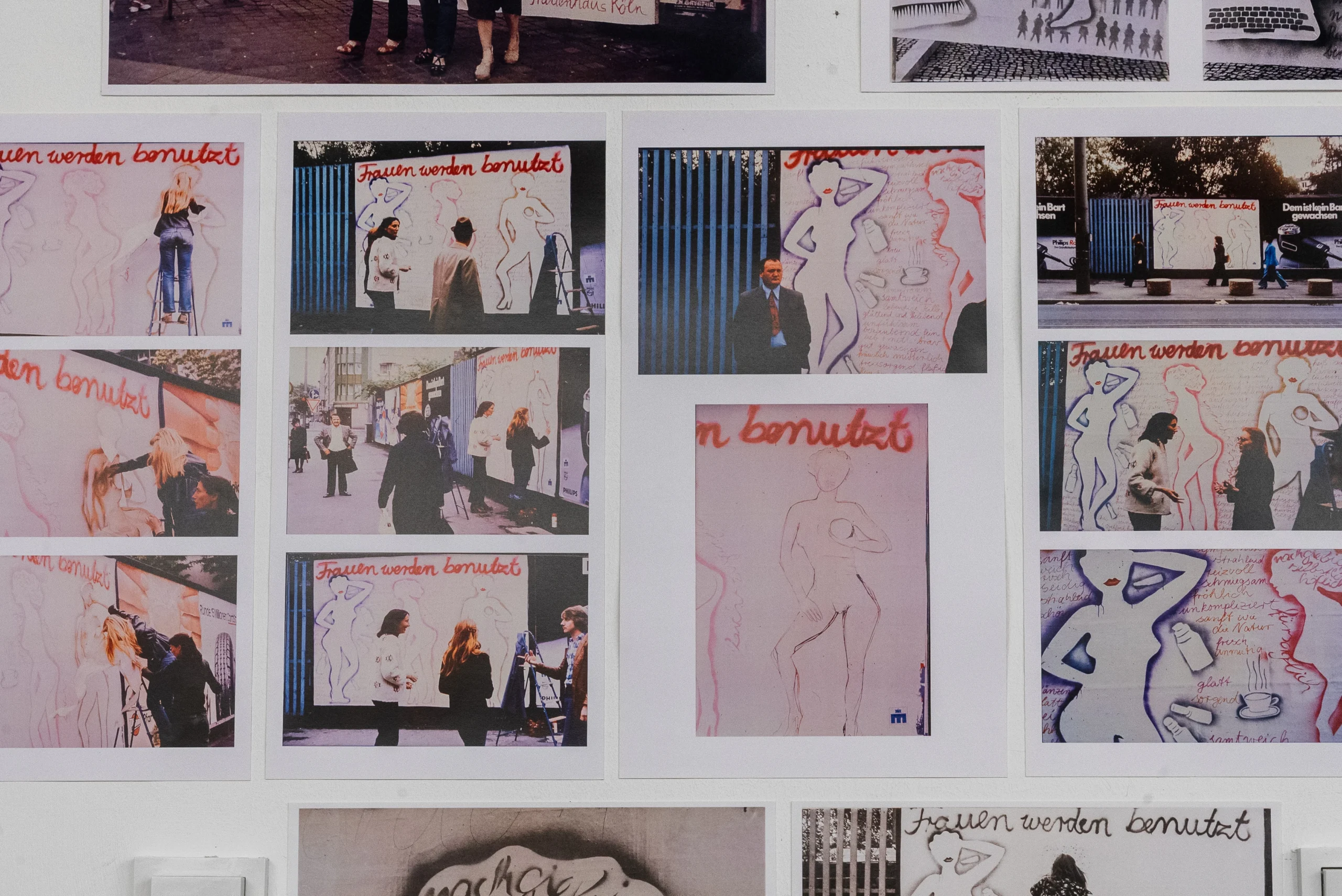
Photodocumentation, billboard action 1976, in Düsseldorf, Frankfurt, Berlin, Erinna König, Susanne Ebert, Maria Fisahn as part of the exhibition ‚Women Make Art‘, Gallery Magers, Bonn, installationphoto Jan Höhe
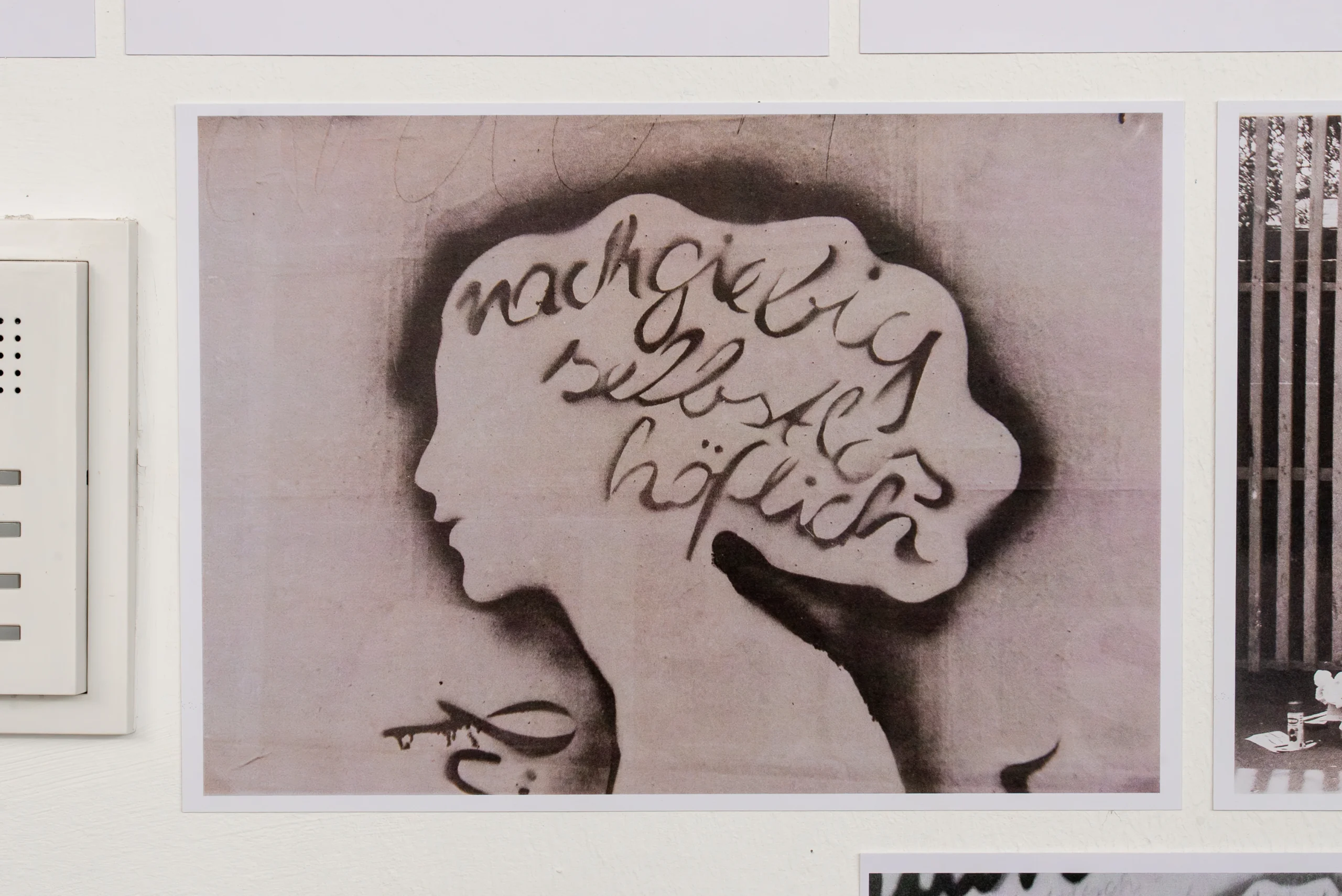
Photodocumentation, billboard action 1976, in Düsseldorf, Frankfurt, Berlin, Erinna König, Susanne Ebert, Maria Fisahn as part of the exhibition ‚Women Make Art‘, Gallery Magers, Bonn, installationphoto Jan Höhe
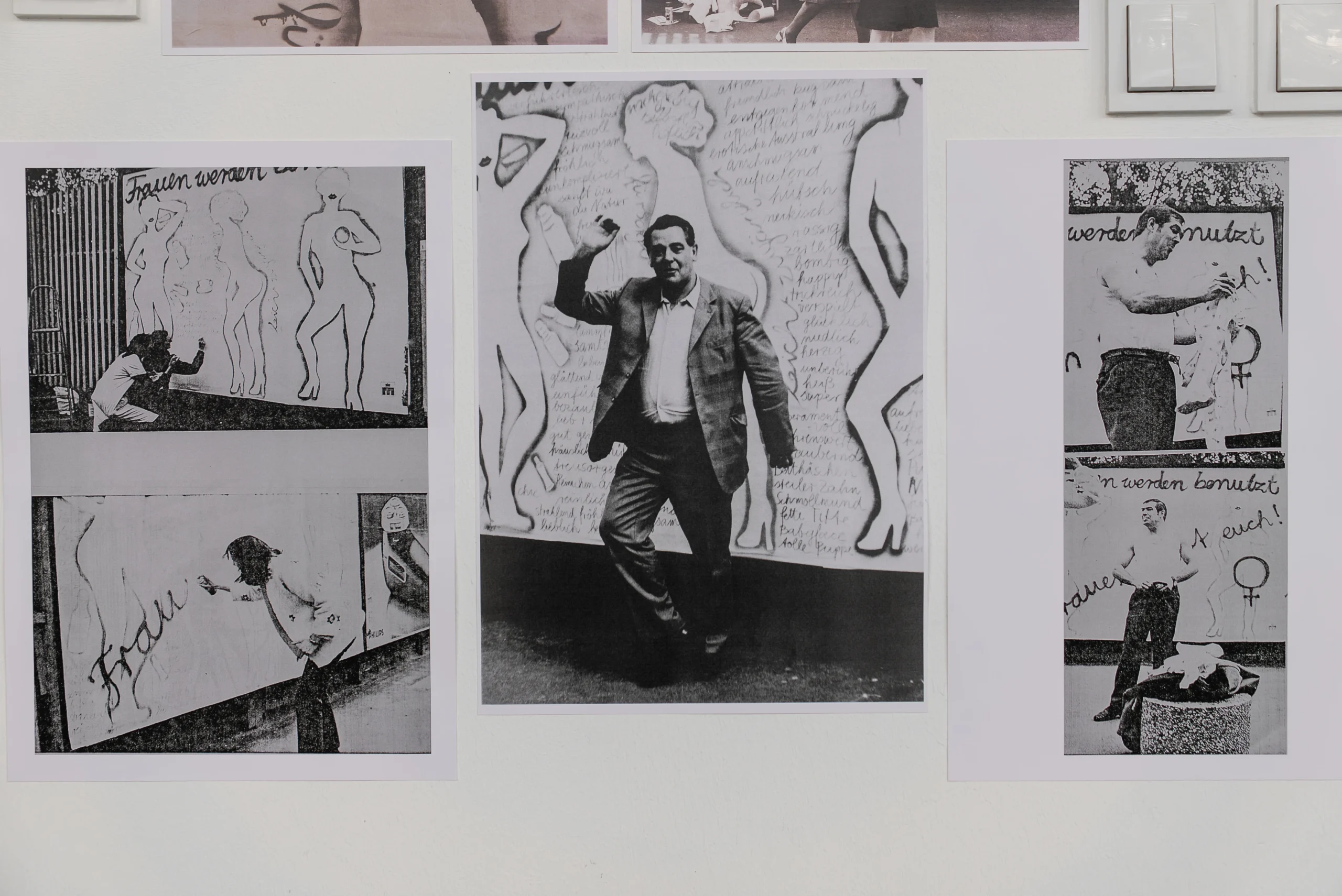
Photodocumentation, billboard action 1976, in Düsseldorf, Frankfurt, Berlin, Erinna König, Susanne Ebert, Maria Fisahn as part of the exhibition ‚Women Make Art‘, Gallery Magers, Bonn, installationphoto Jan Höhe
Photodocumentation, billboard action 1976, in Düsseldorf, Frankfurt, Berlin, Erinna König, Susanne Ebert, Maria Fisahn as part of the exhibition ‚Women Make Art‘, Gallery Magers, Bonn, installationphoto Jan Höhe
Photodocumentation, billboard action 1976, in Düsseldorf, Frankfurt, Berlin, Erinna König, Susanne Ebert, Maria Fisahn as part of the exhibition ‚Women Make Art‘, Gallery Magers, Bonn, installationphoto Jan Höhe
Photodocumentation, billboard action 1976, in Düsseldorf, Frankfurt, Berlin, Erinna König, Susanne Ebert, Maria Fisahn as part of the exhibition ‚Women Make Art‘, Gallery Magers, Bonn, installationphoto Jan Höhe
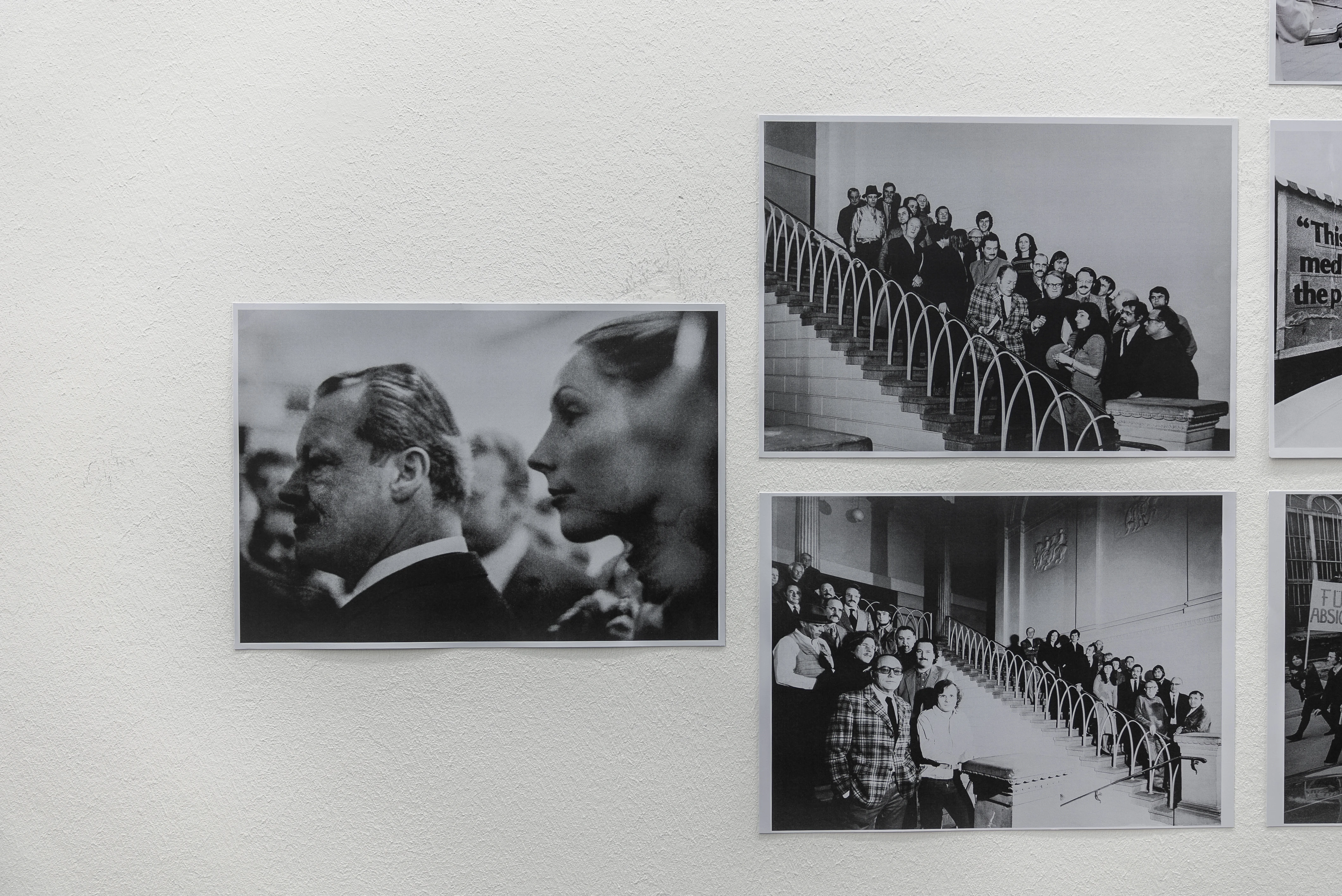
Erinna König und Willy Brandt, Dortmund, 1. Mai 1971, “Büro Olympia”, photo Jörg Immendorff; professors and students, artacademy Düsseldorf, phptp Manfred Tischer 1971, Manfred Tischer Archives
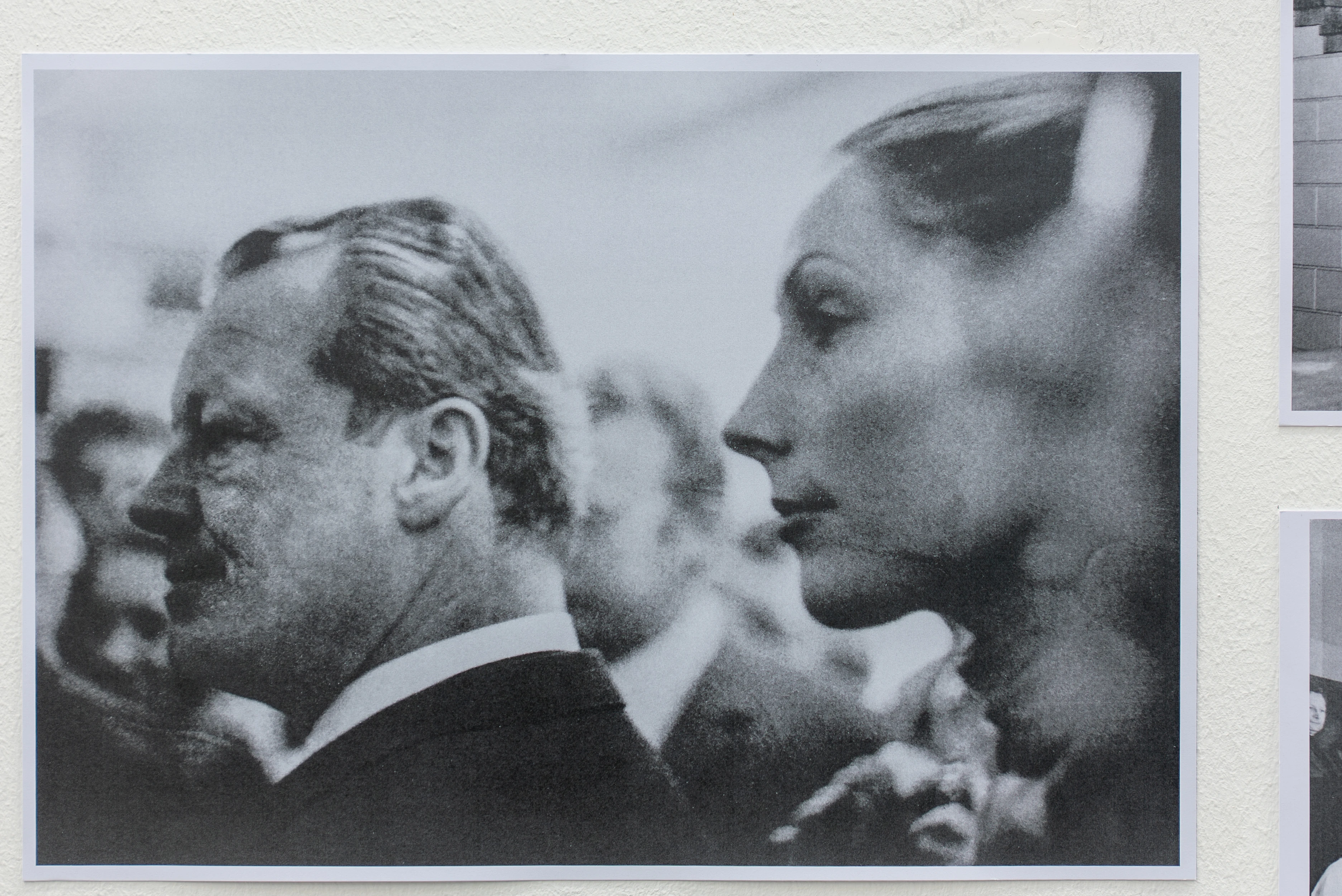
— Erinna König und Willy Brandt, Dortmund, 1. Mai 1971, “Büro Olympia”, photo Jörg Immendorff
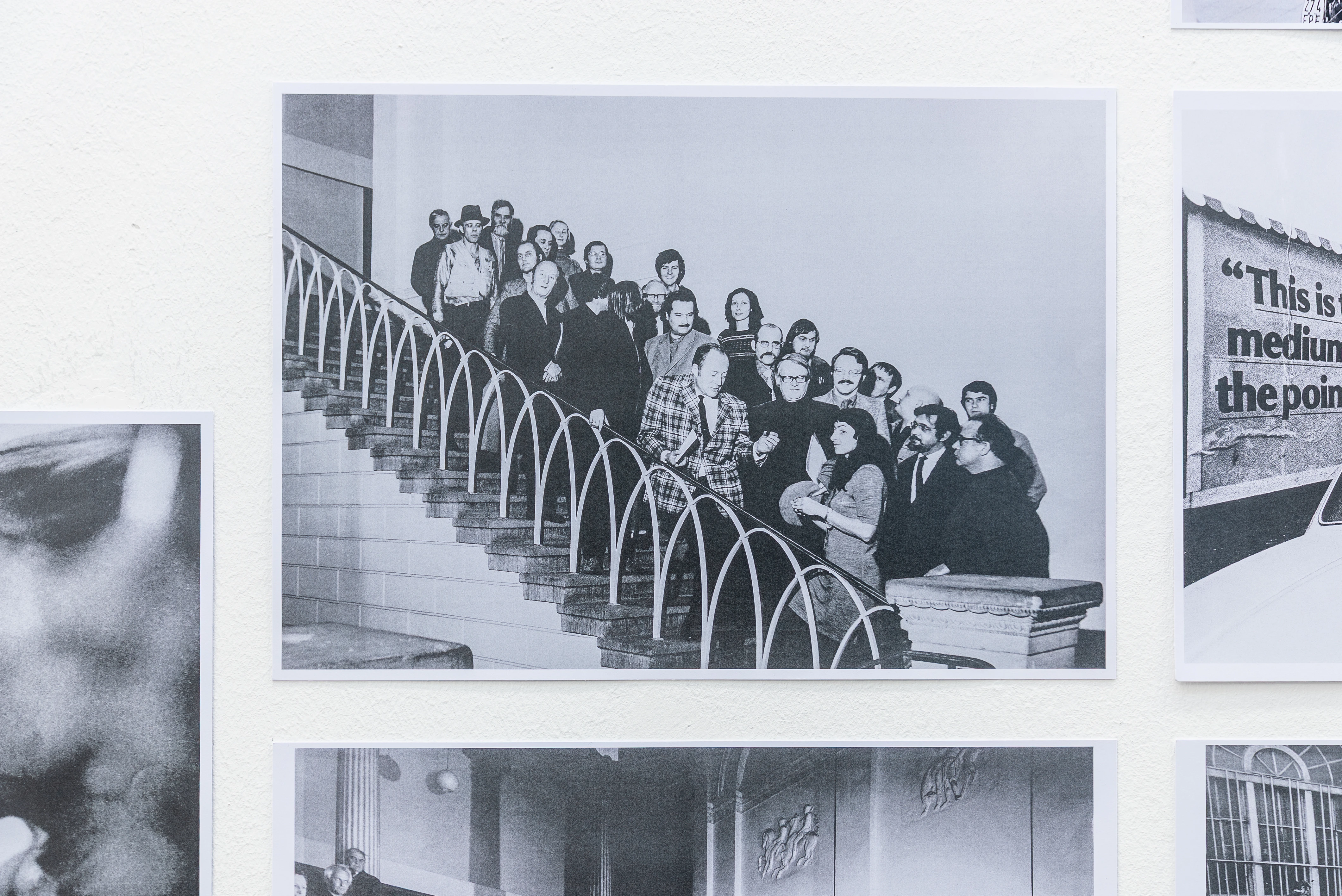
professors and students, artacademy Düsseldorf, phptp Manfred Tischer 1971, Manfred Tischer Archives
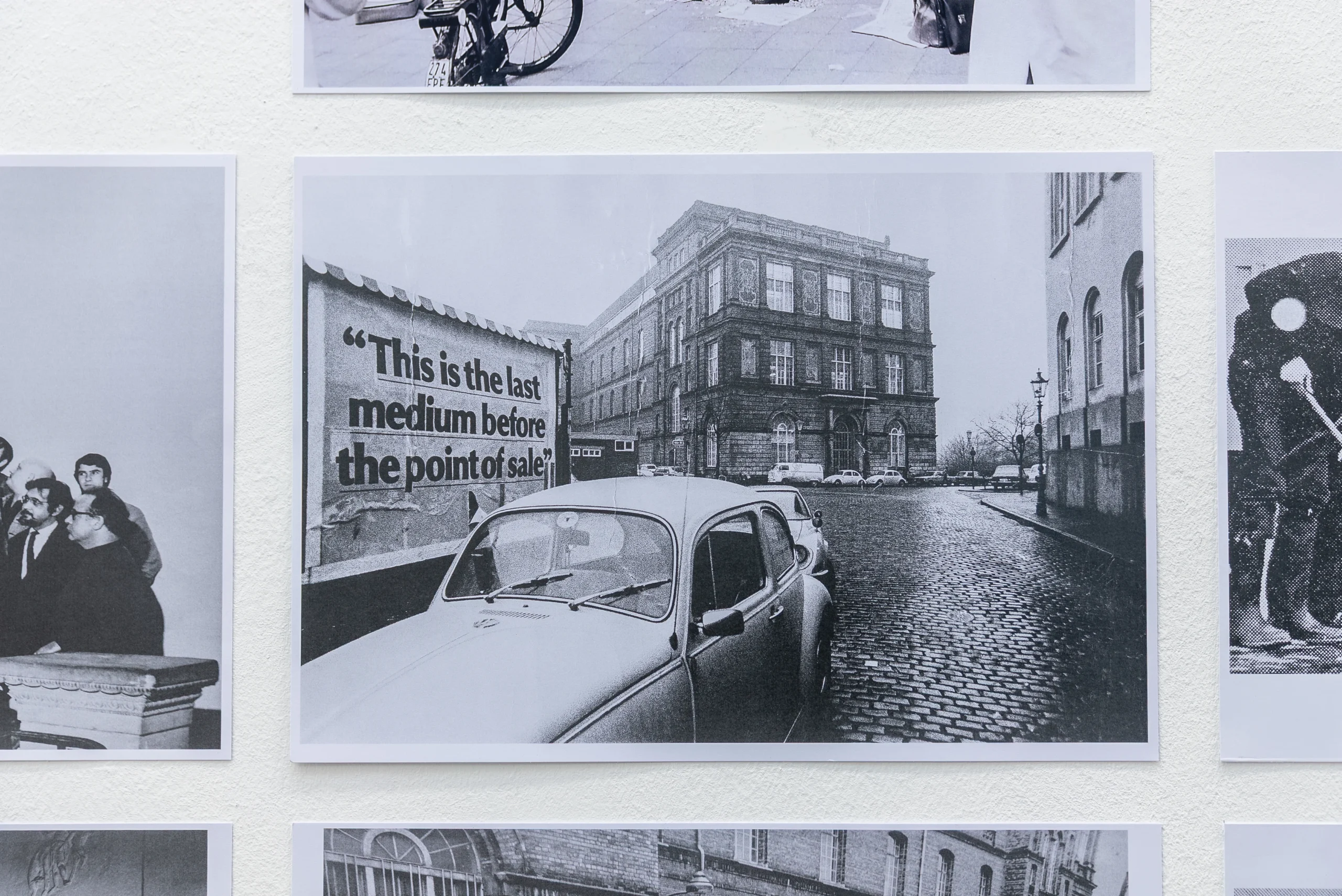
Beetle, Artacademy Düsseldorf, 1969, photo Erinna König
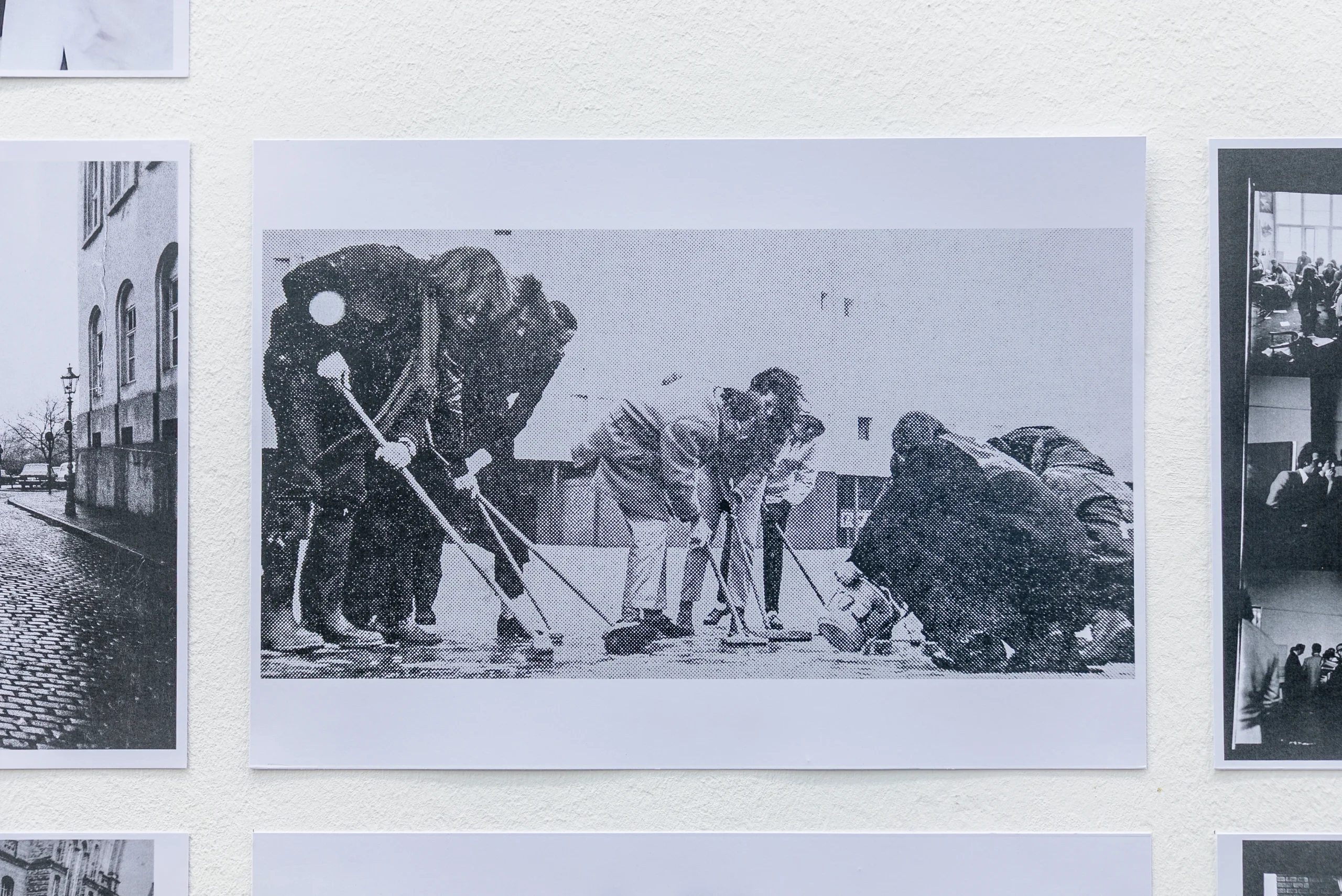
Clean Squares, dirty housing politics – action on Düsseldorf’s main theatre square, 1969, newspaper cutting
Demonstration, 1970
1 May 1971 march in Dortmund, photo Erinna König
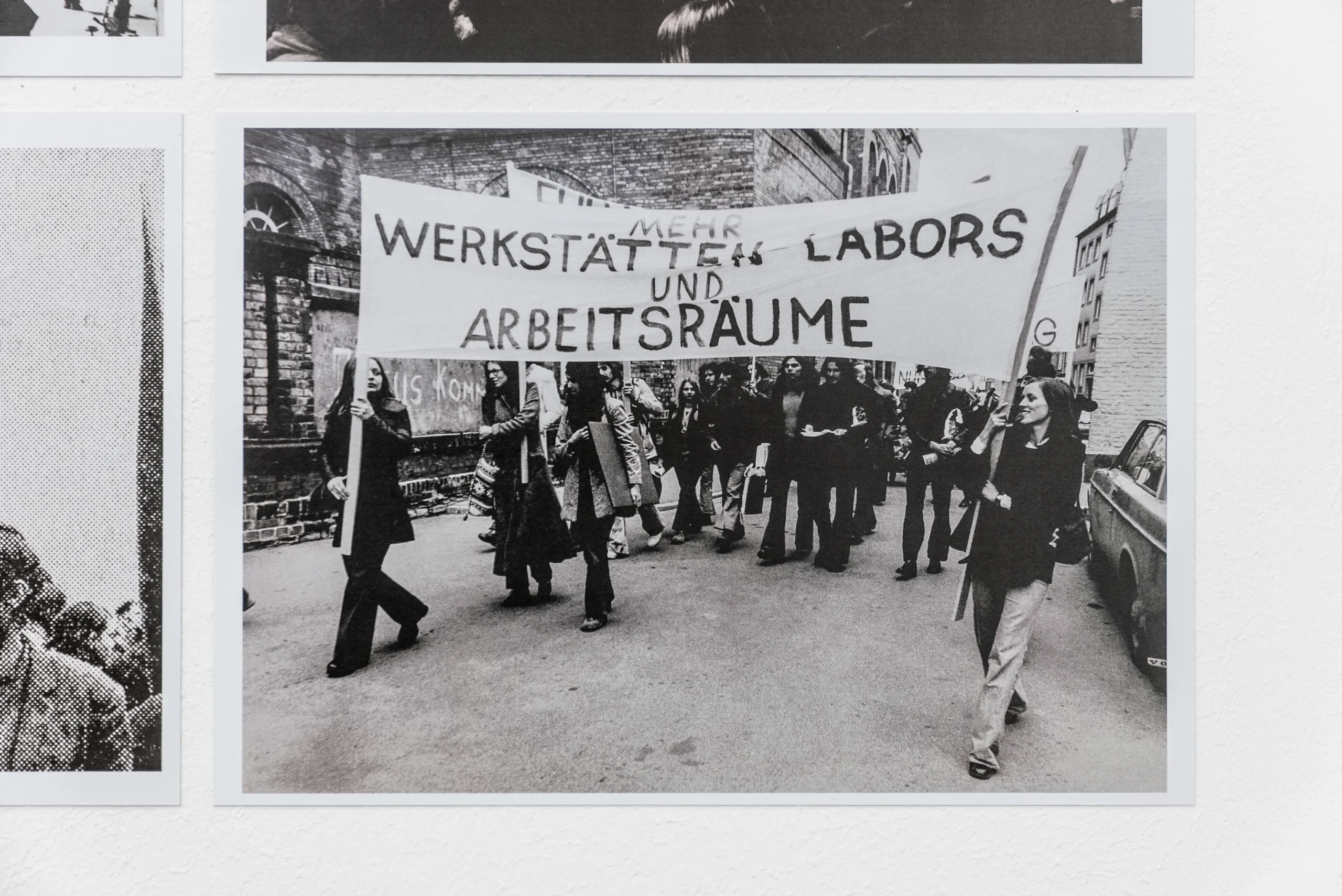
Student demonstration Düsseldorf old city. photo Erinna König
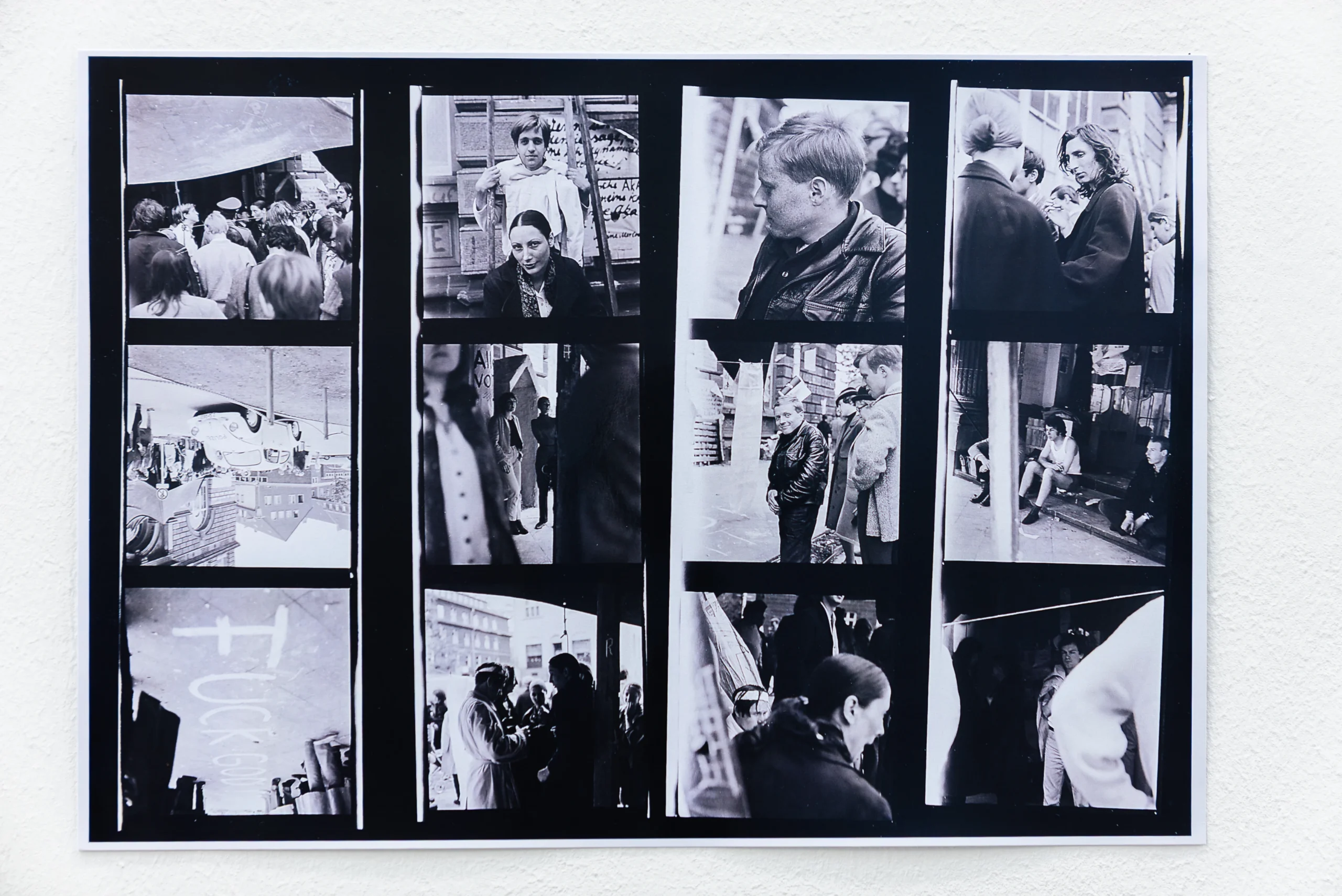
Düsseldorf Academy, contact sheets, 1969
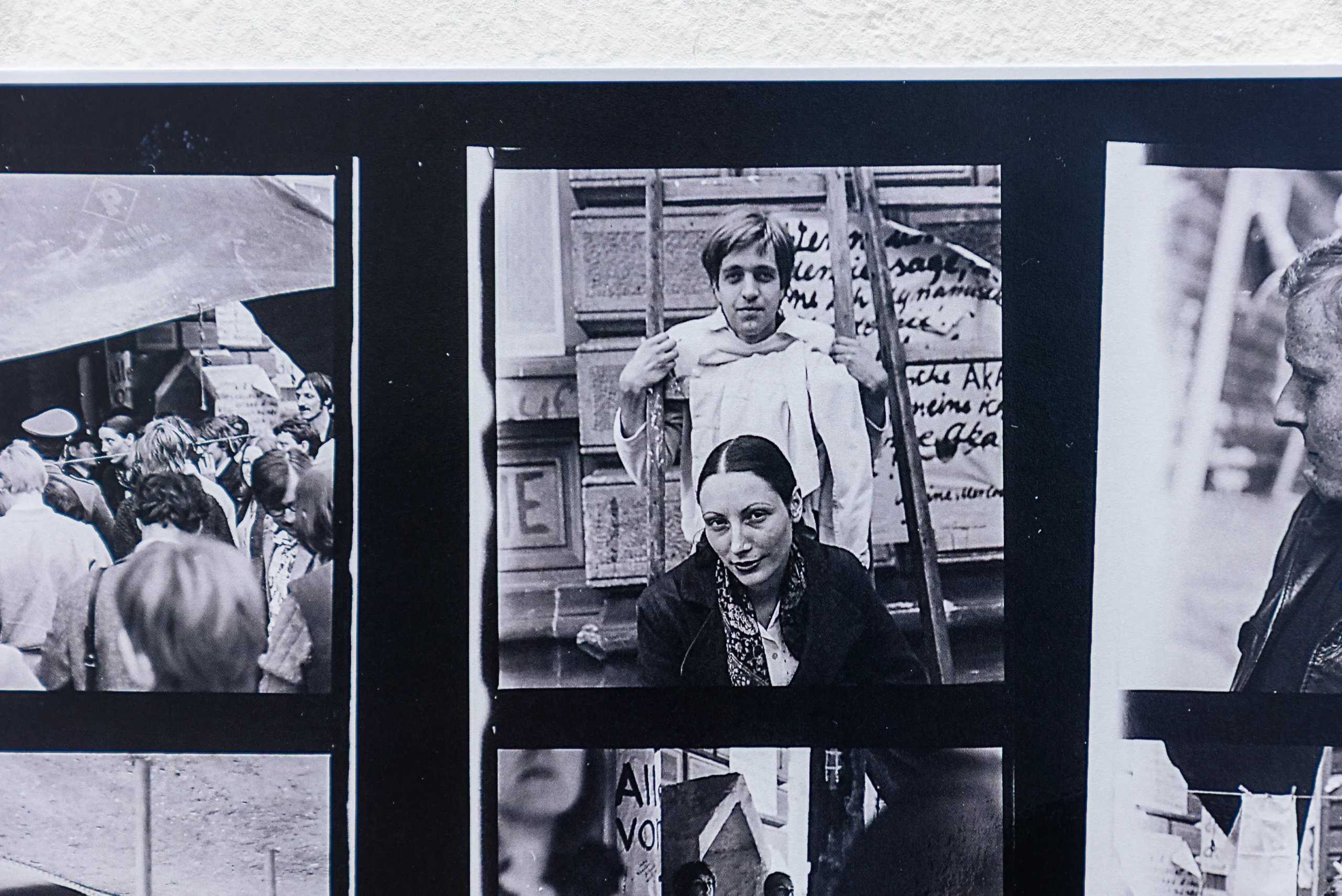
Düsseldorf Academy, contact sheets, 1969, Erinna König
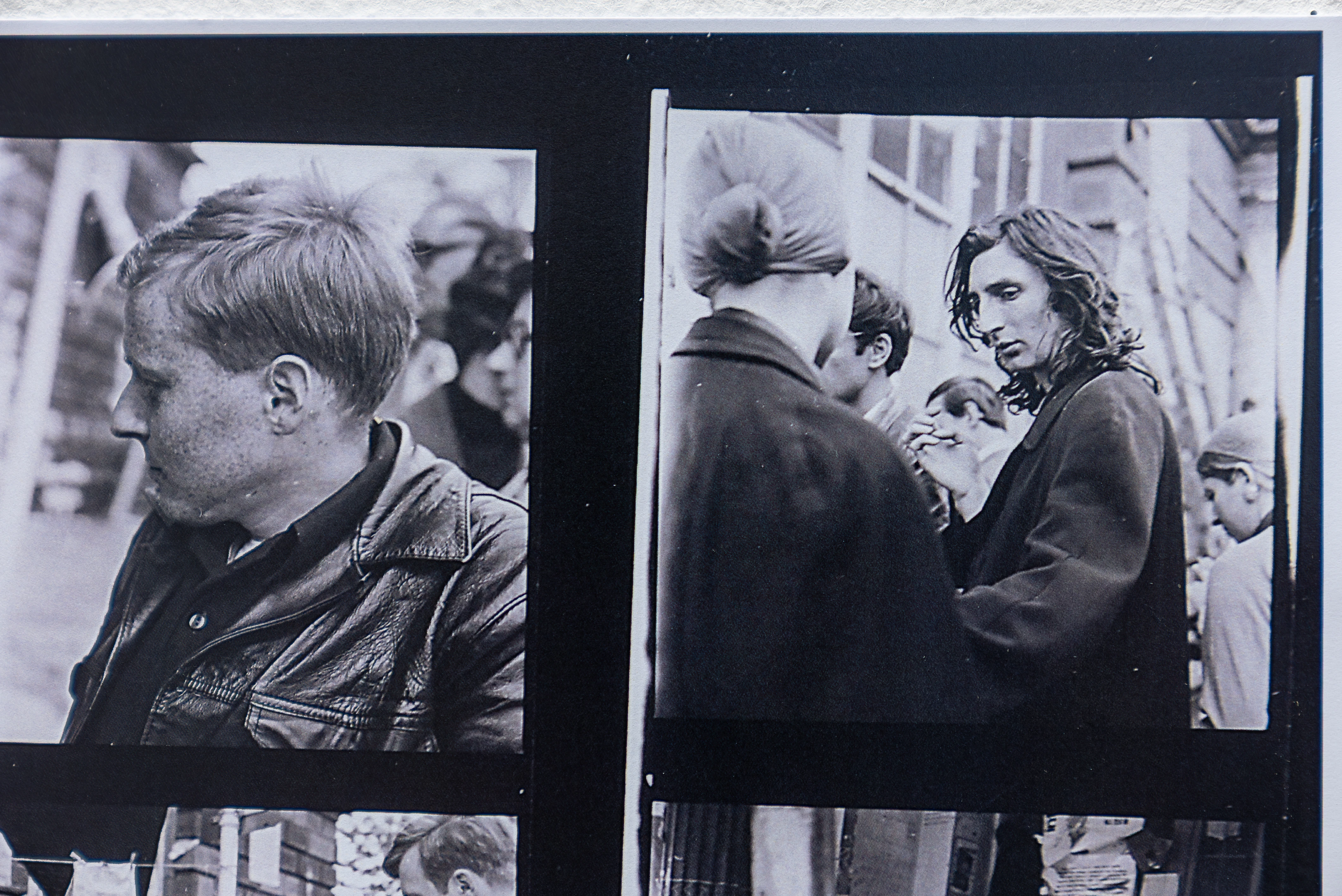
Düsseldorf Academy, contact sheets, 1969
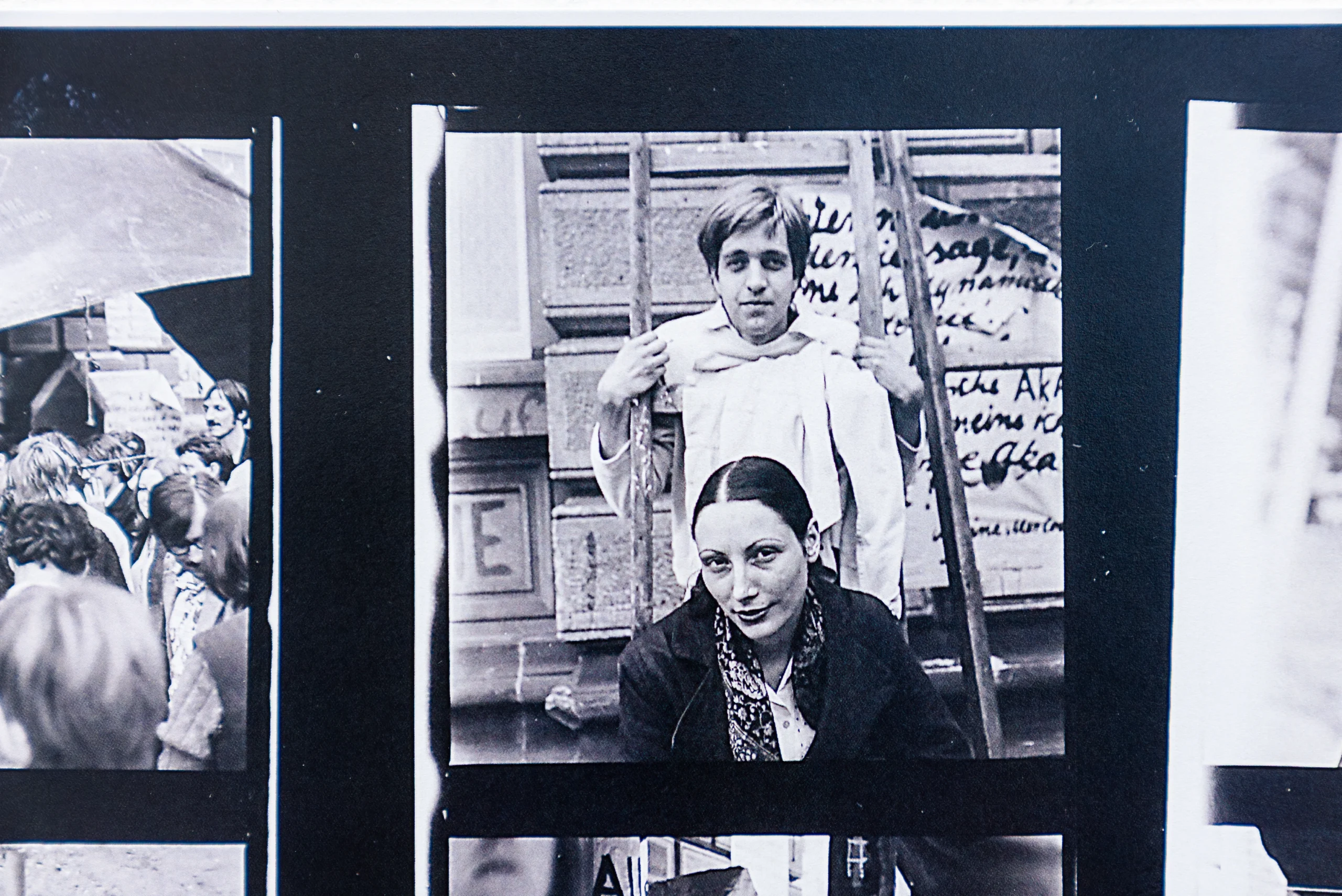
Düsseldorf Academy, contact sheets, 1969, Erinna König
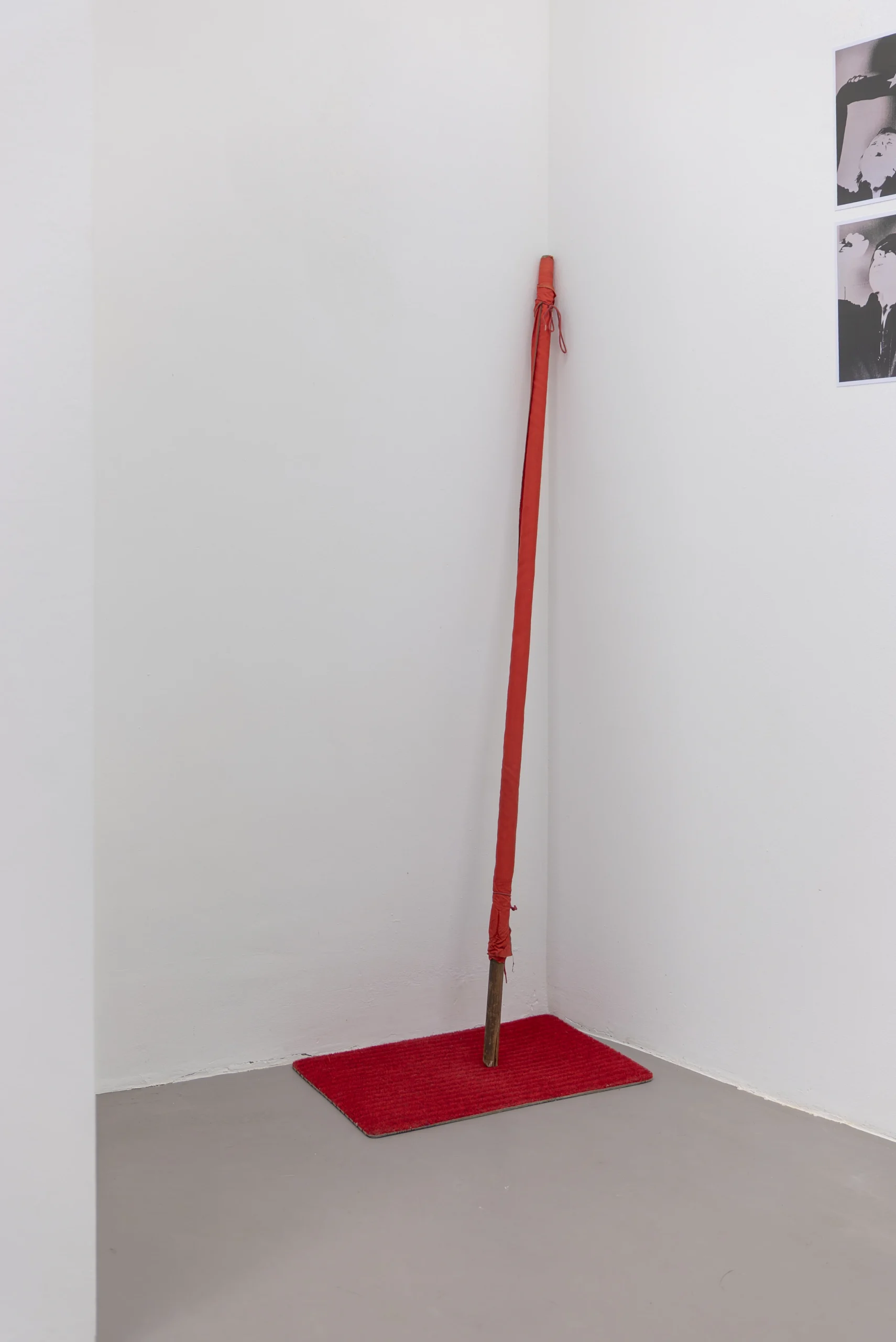
red flag, 1983, Erinna König, Anatomical Studies for posters, 1973, Erinna König
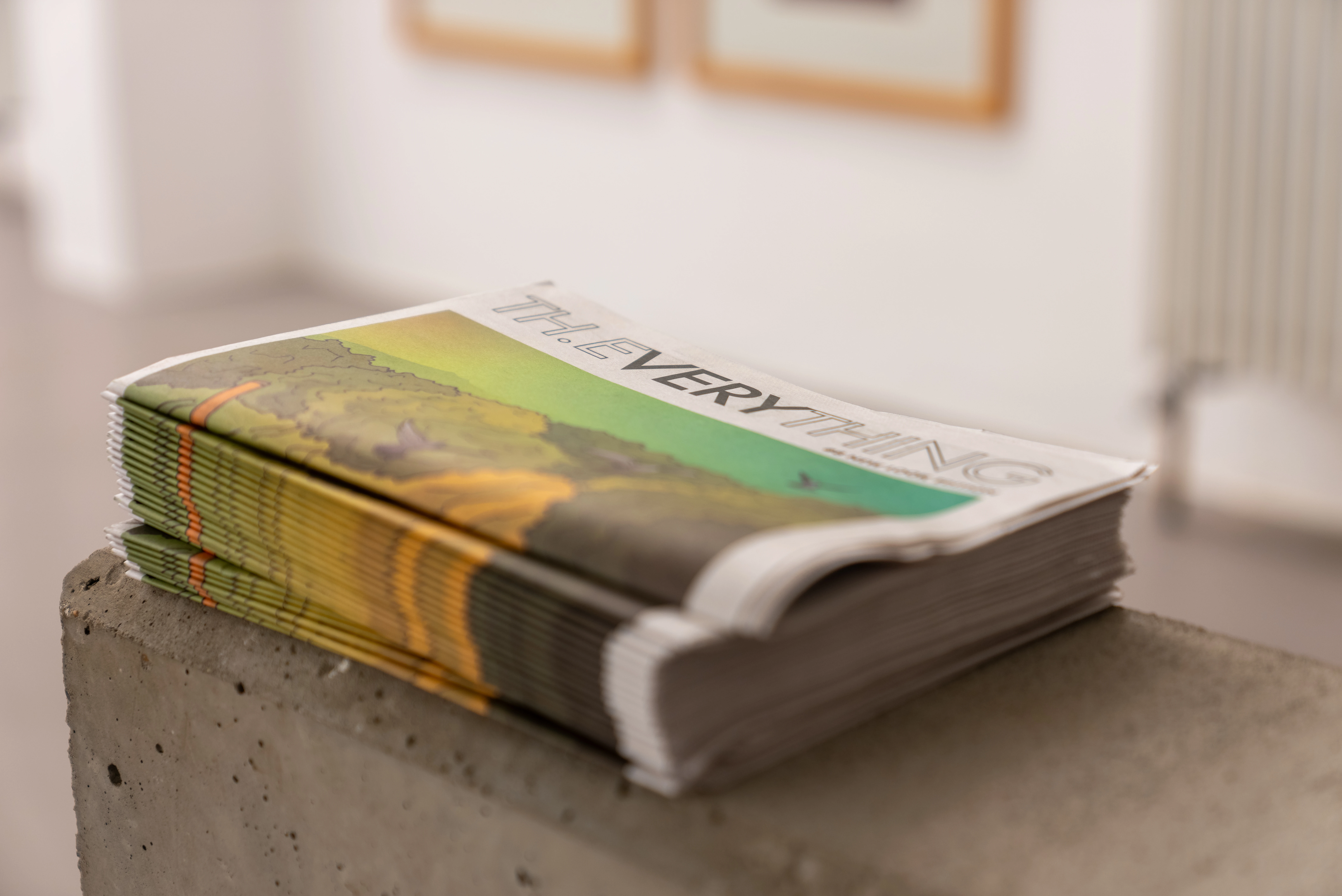
TH.EVERYTHING #8, artnewspaper launched at MIRROR IN TIME
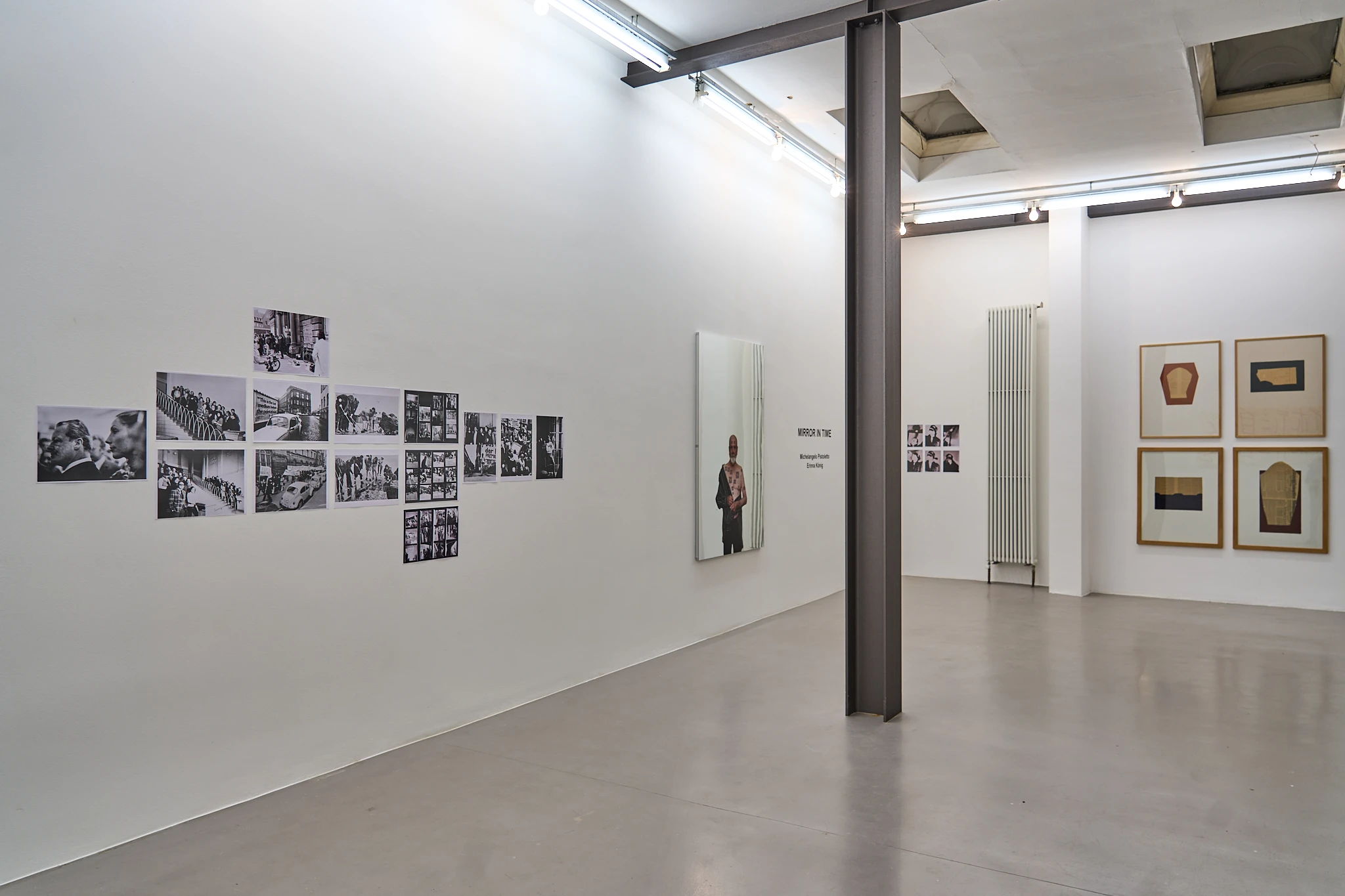
MIRROR IN TIME Roomview, phhoto Mark Záhorszky
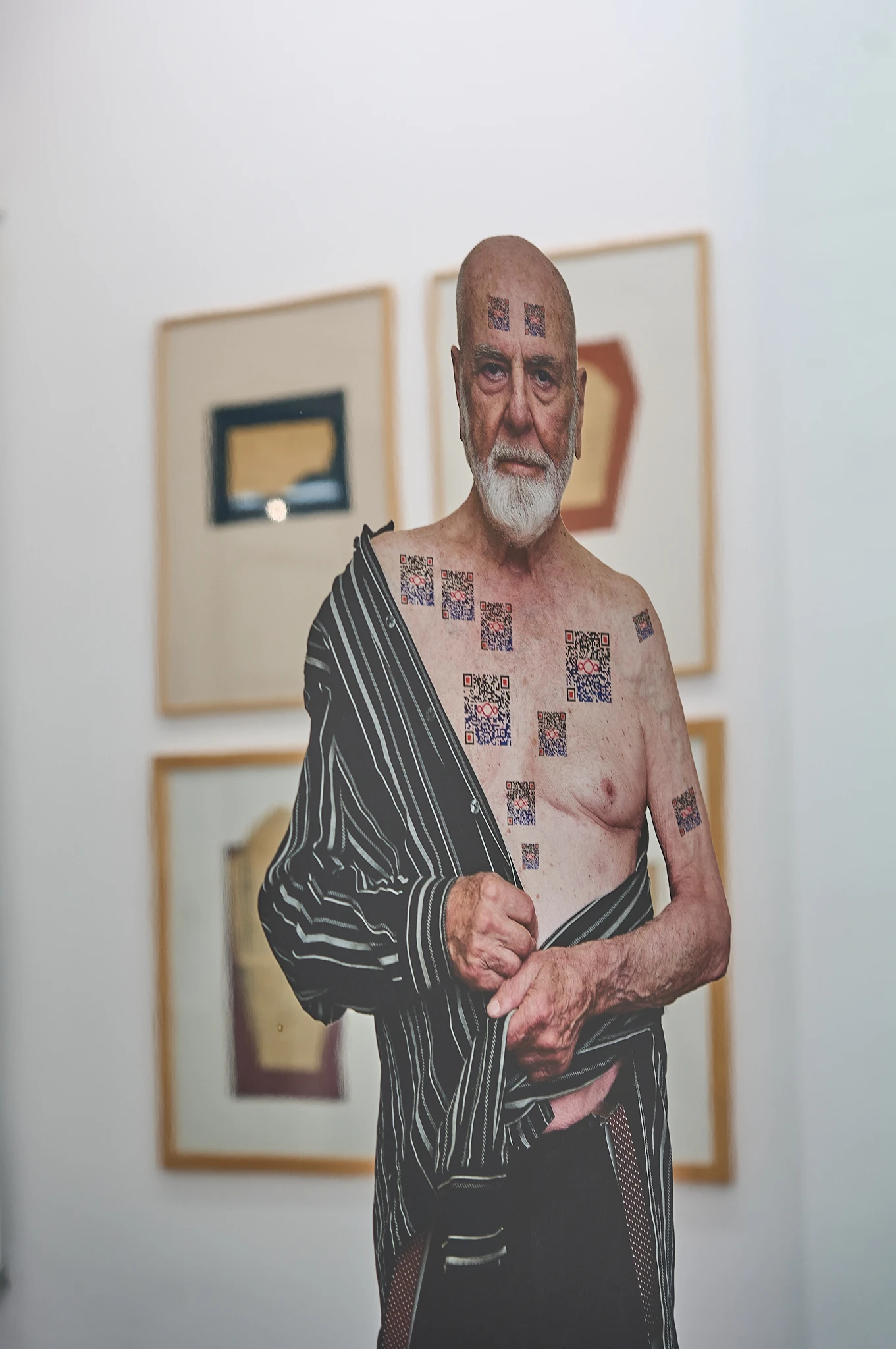
MIRROR IN TIME OPENING, photo Mark Záhorszky
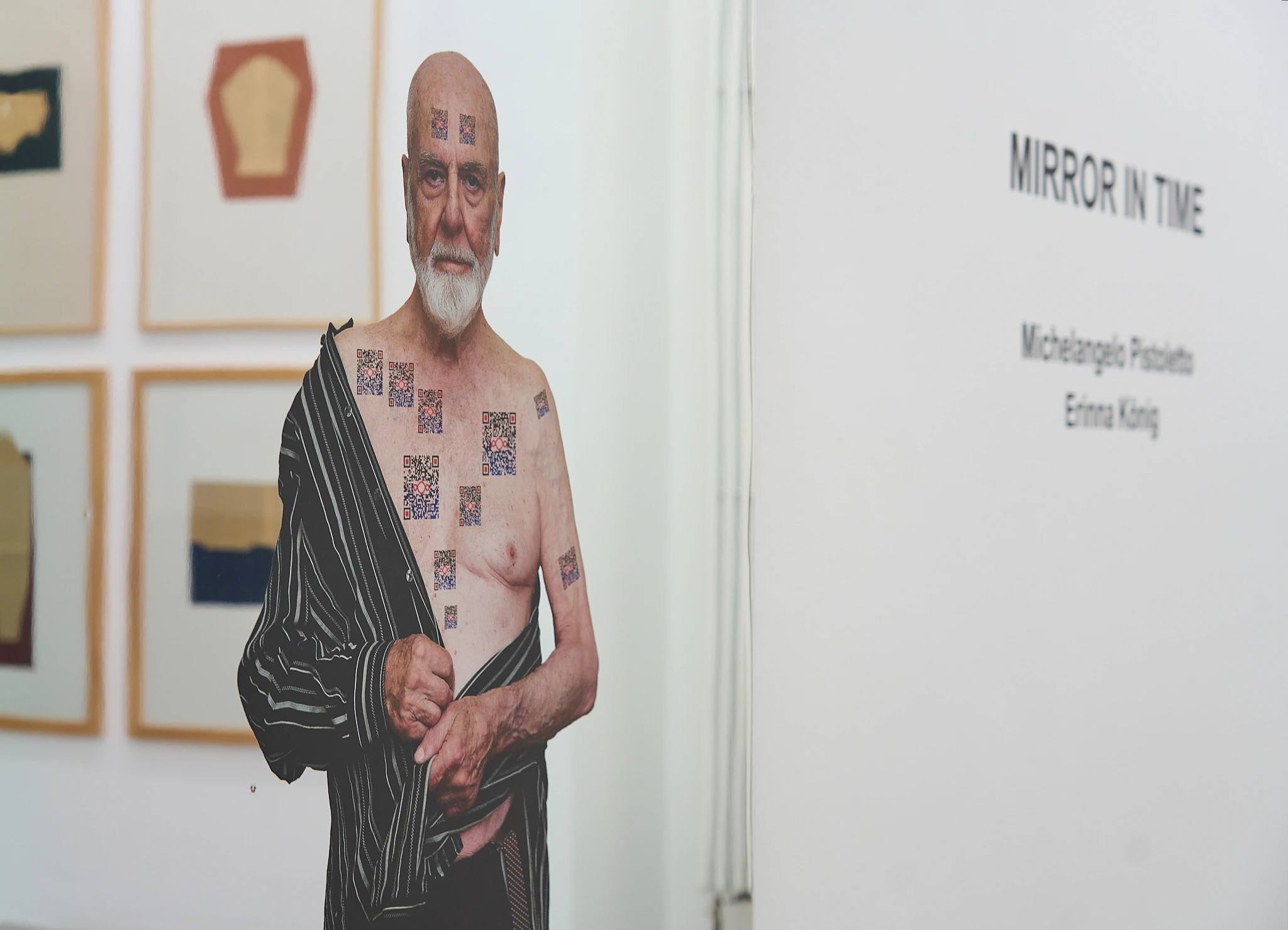
MIRROR IN TIME OPENING, photo Mark Záhorszky
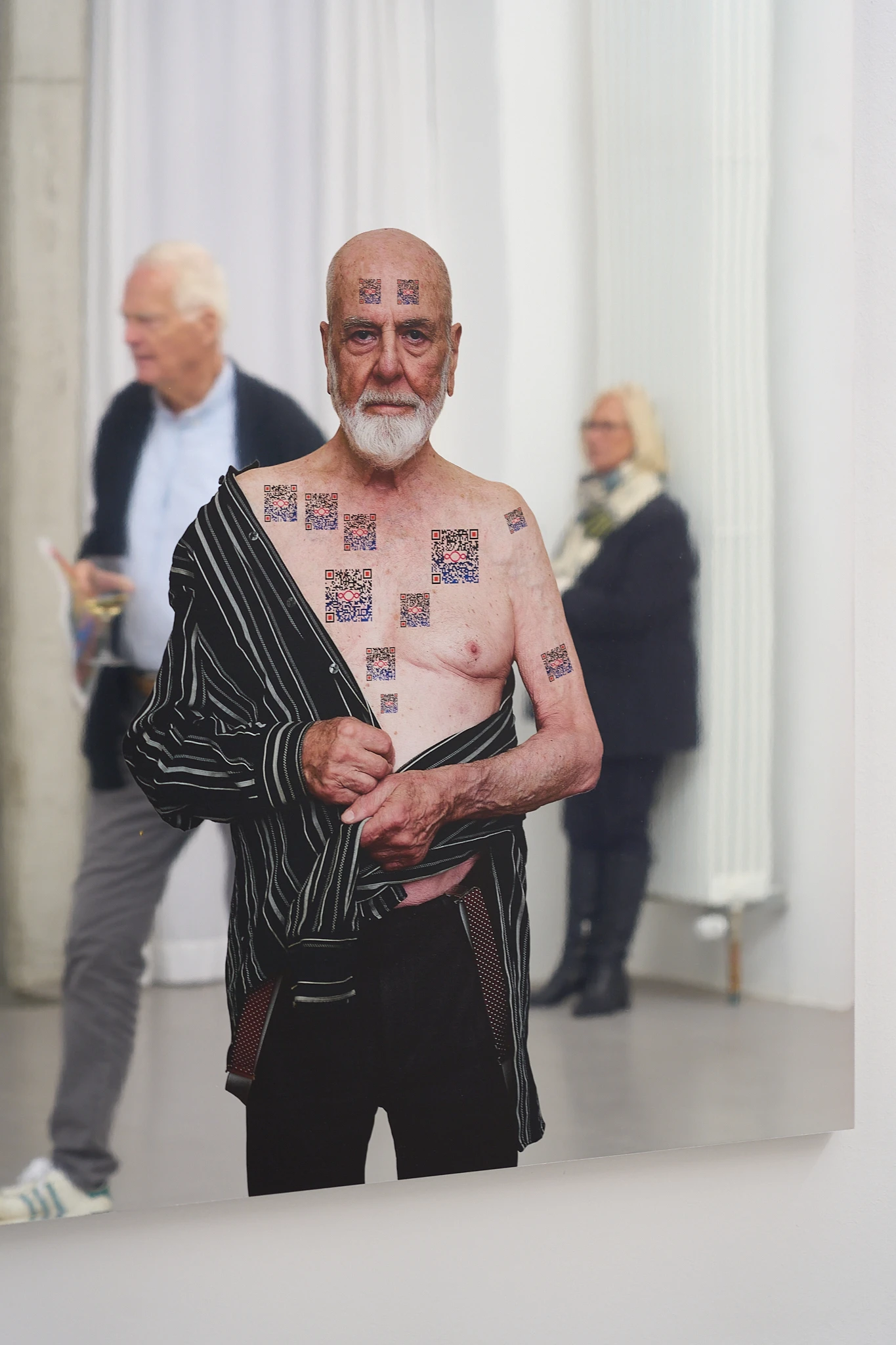
MIRROR IN TIME OPENING, photo Mark Záhorszky
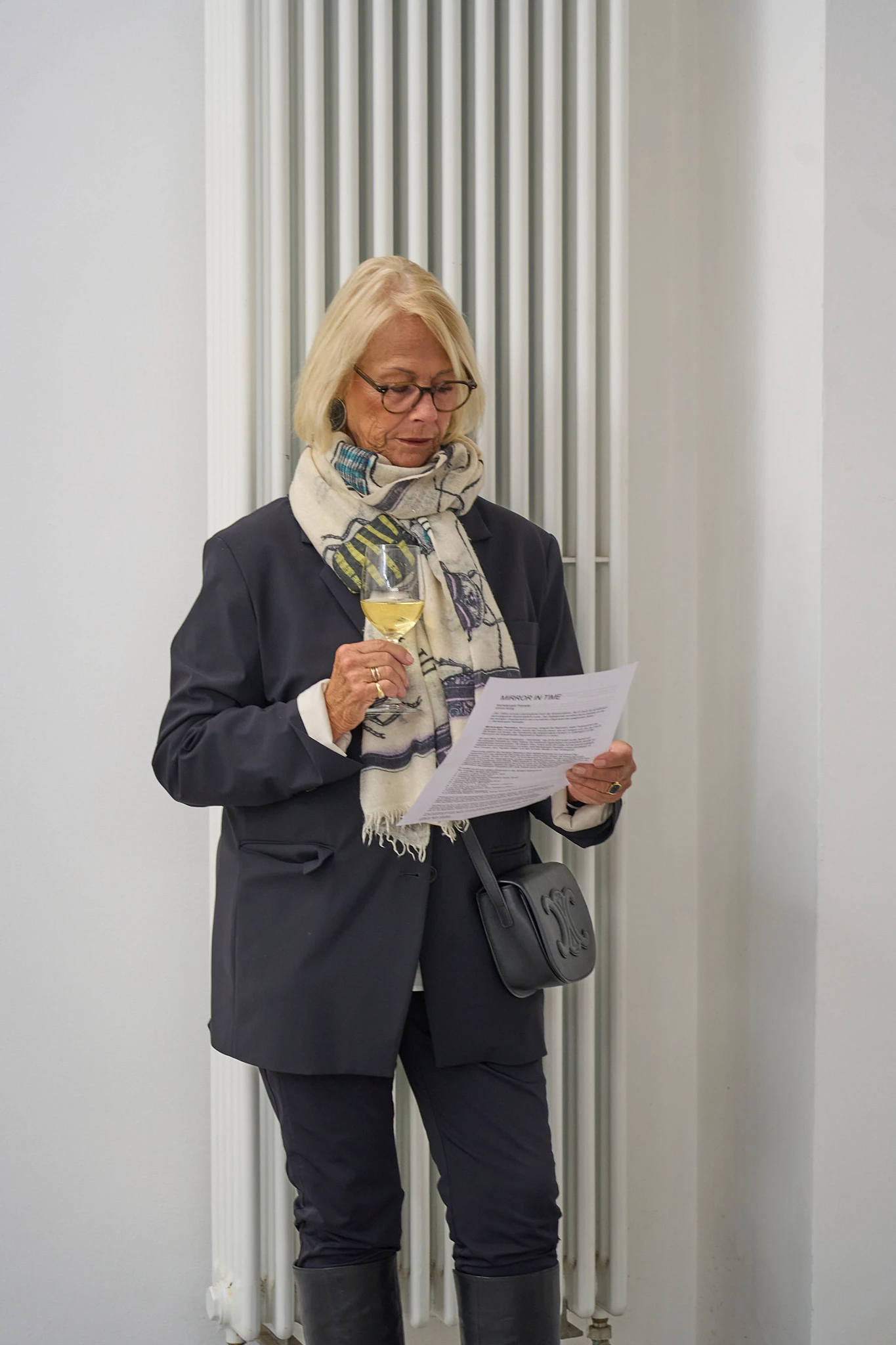
MIRROR IN TIME OPENING, photo Mark Záhorszky
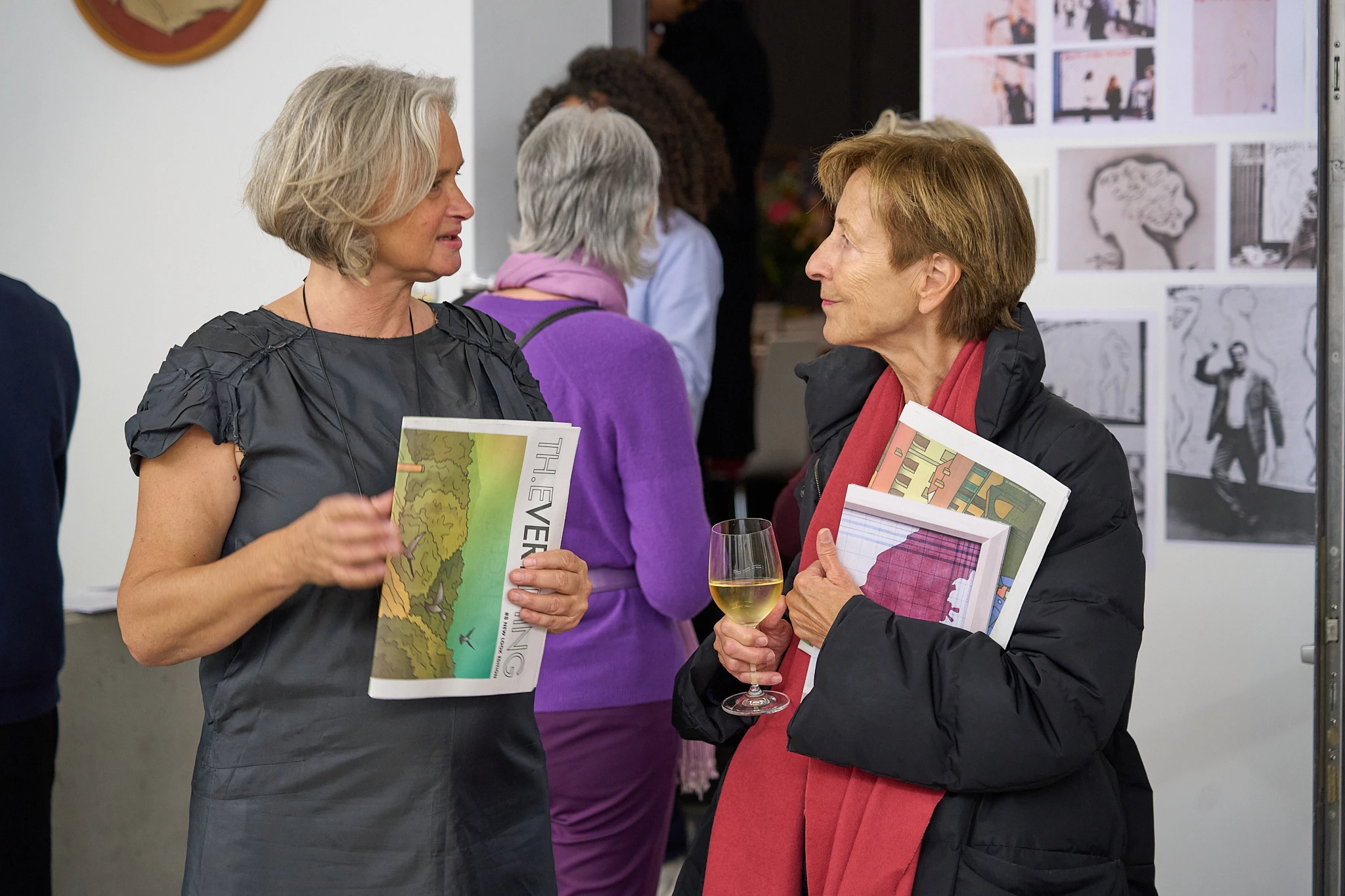
MIRROR IN TIME OPENING, photo Mark Záhorszky
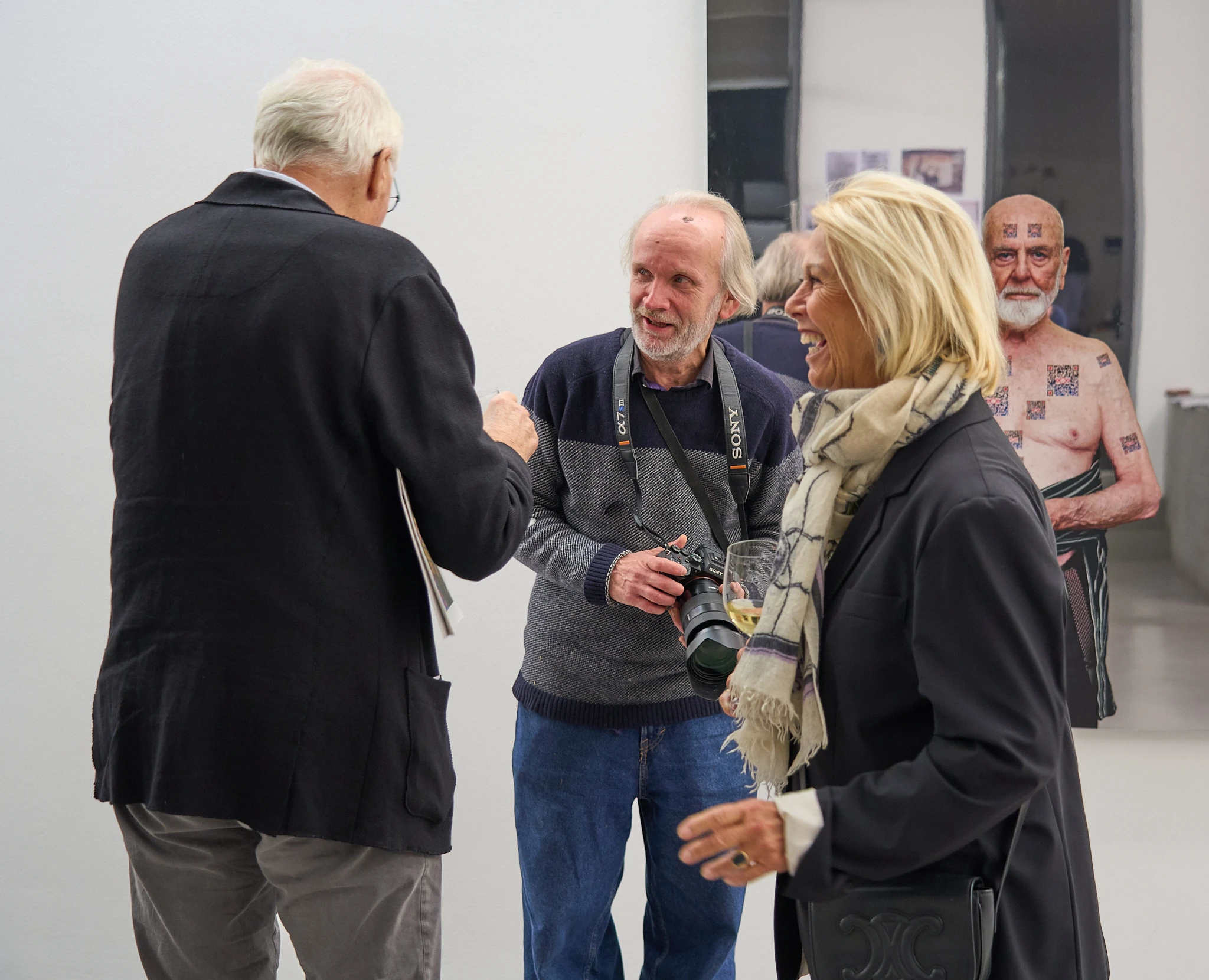
MIRROR IN TIME OPENING, photo Mark Záhorszky
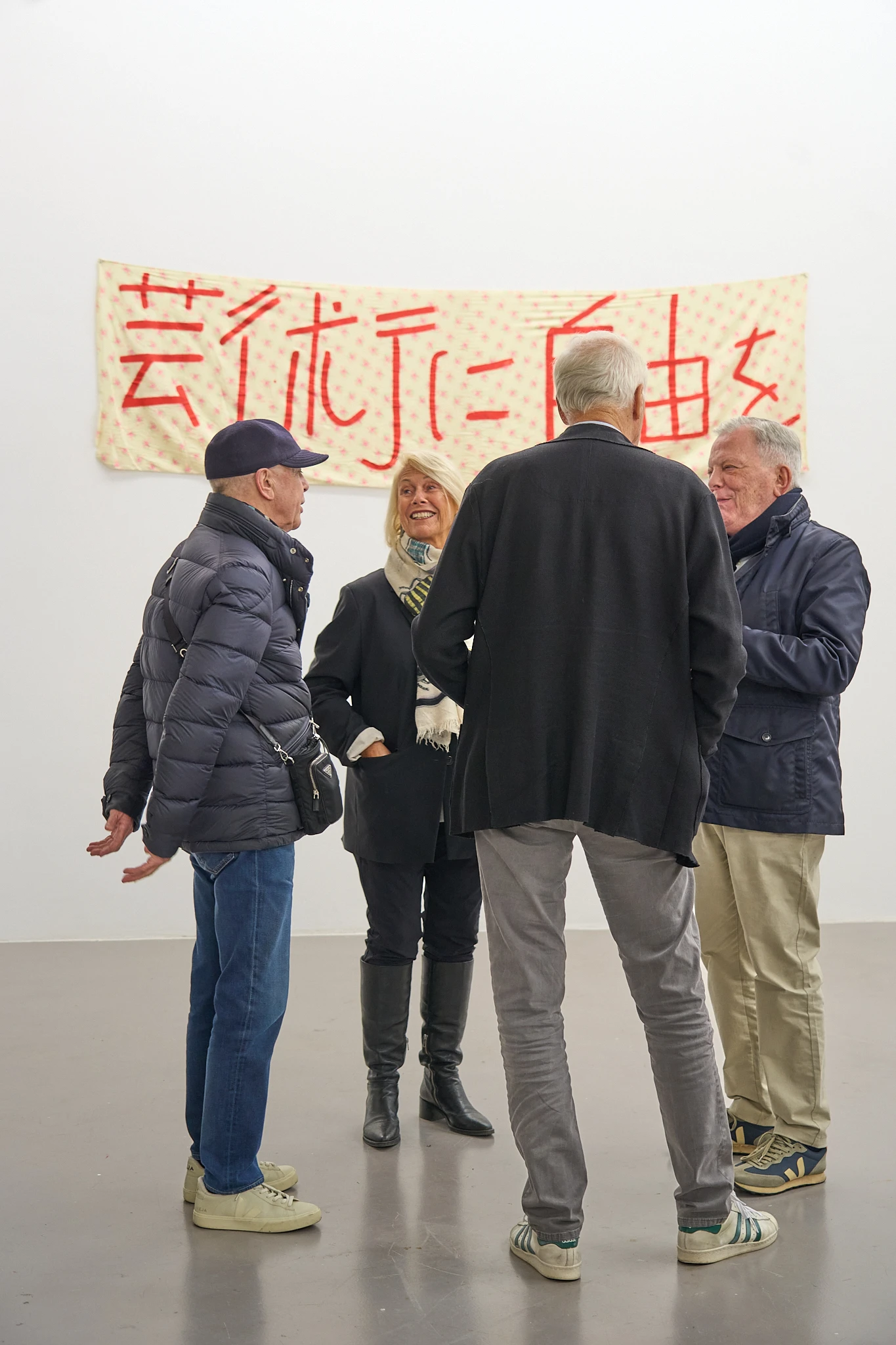
MIRROR IN TIME OPENING, photo Mark Záhorszky
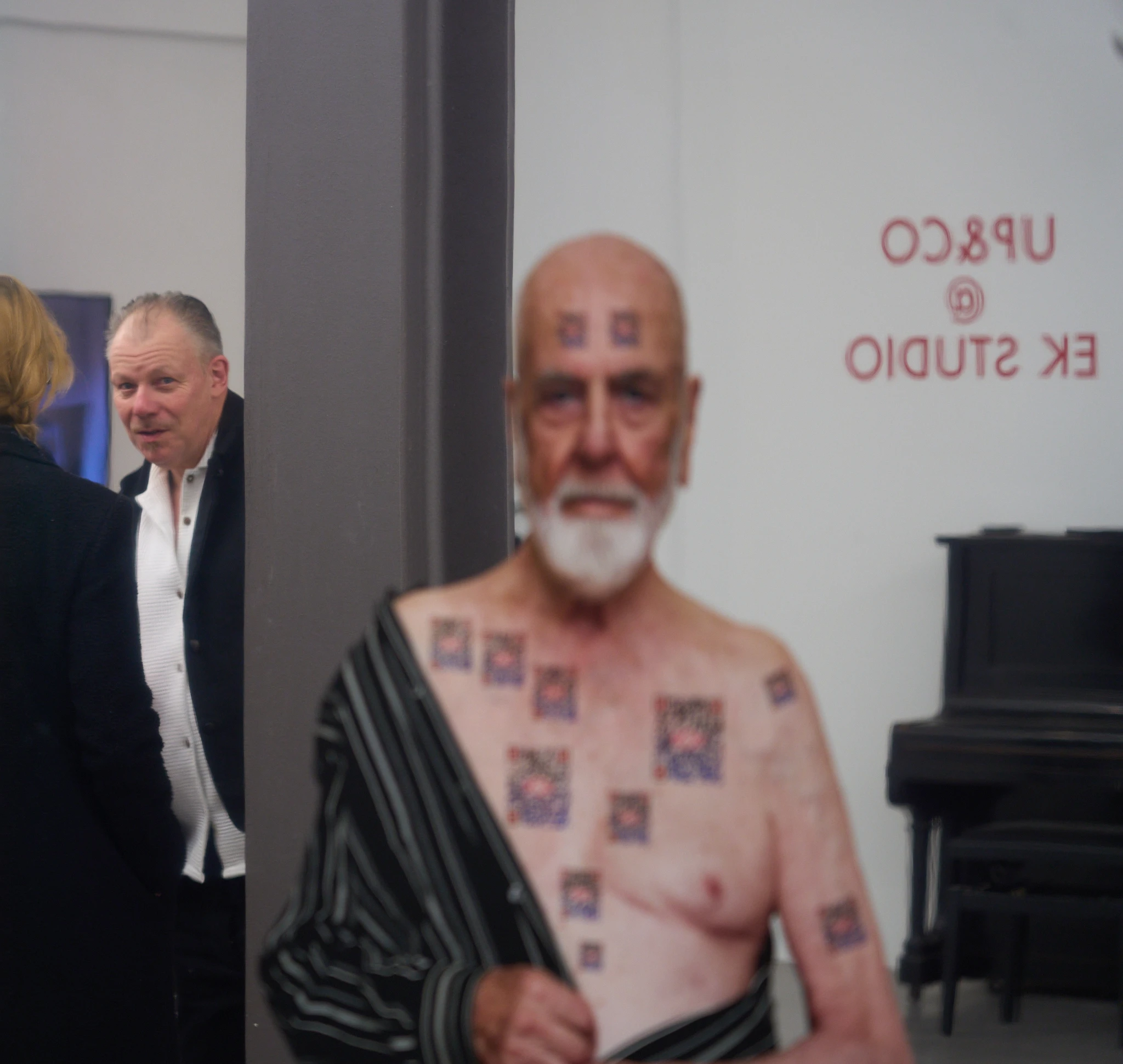
MIRROR IN TIME OPENING, photo Mark Záhorszky
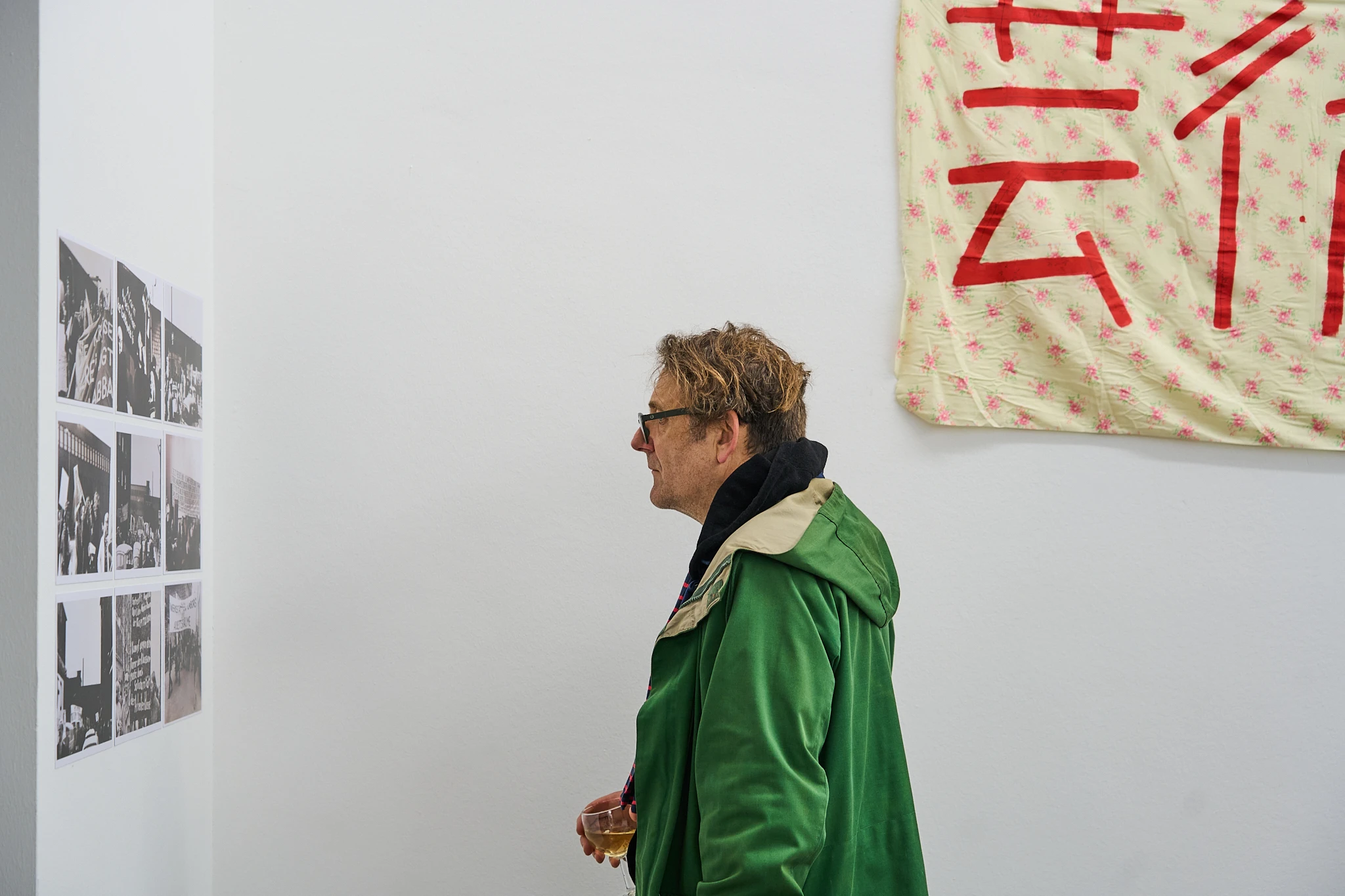
MIRROR IN TIME OPENING, photo Mark Záhorszky
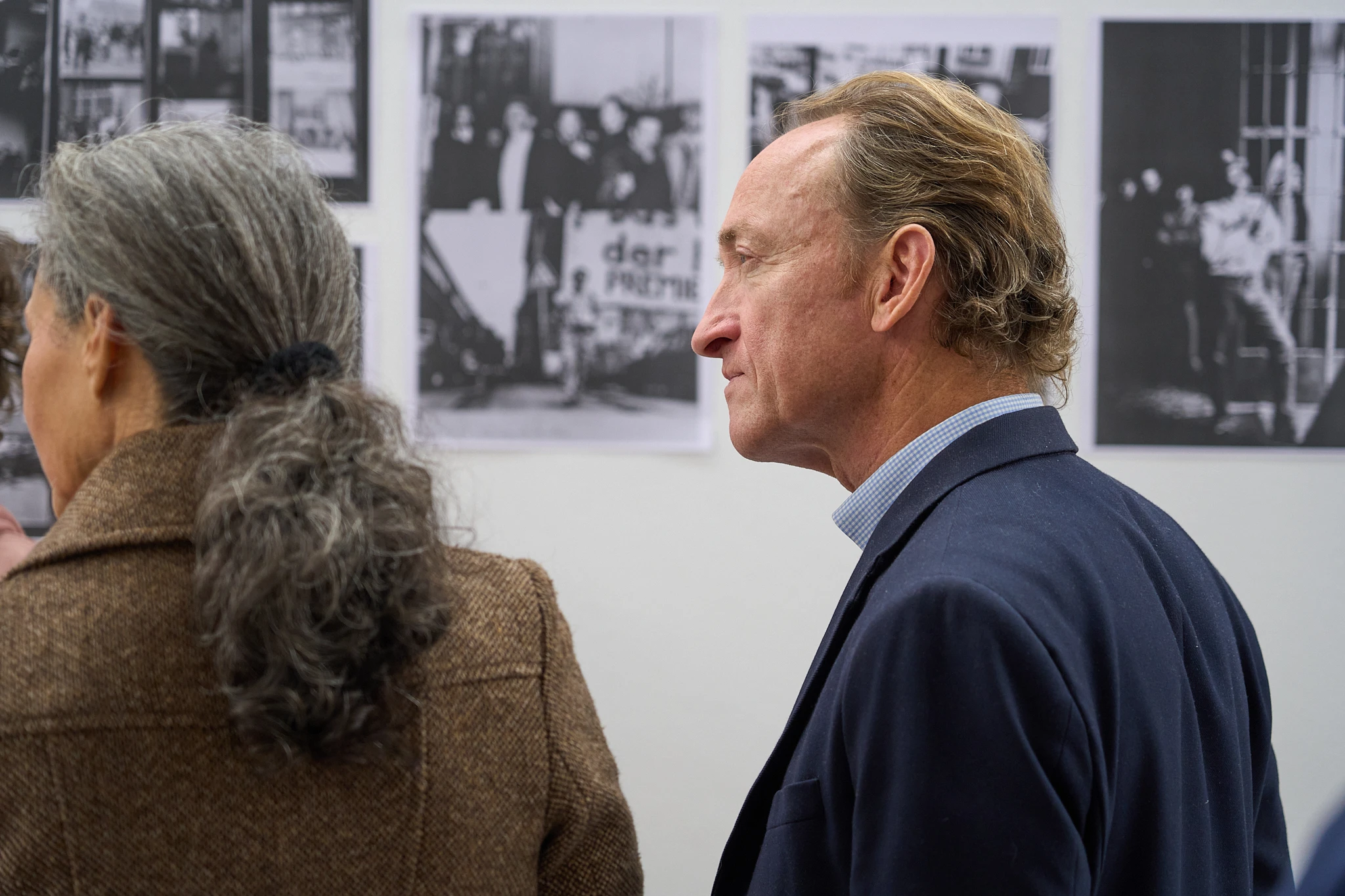
MIRROR IN TIME OPENING, photo Mark Záhorszky
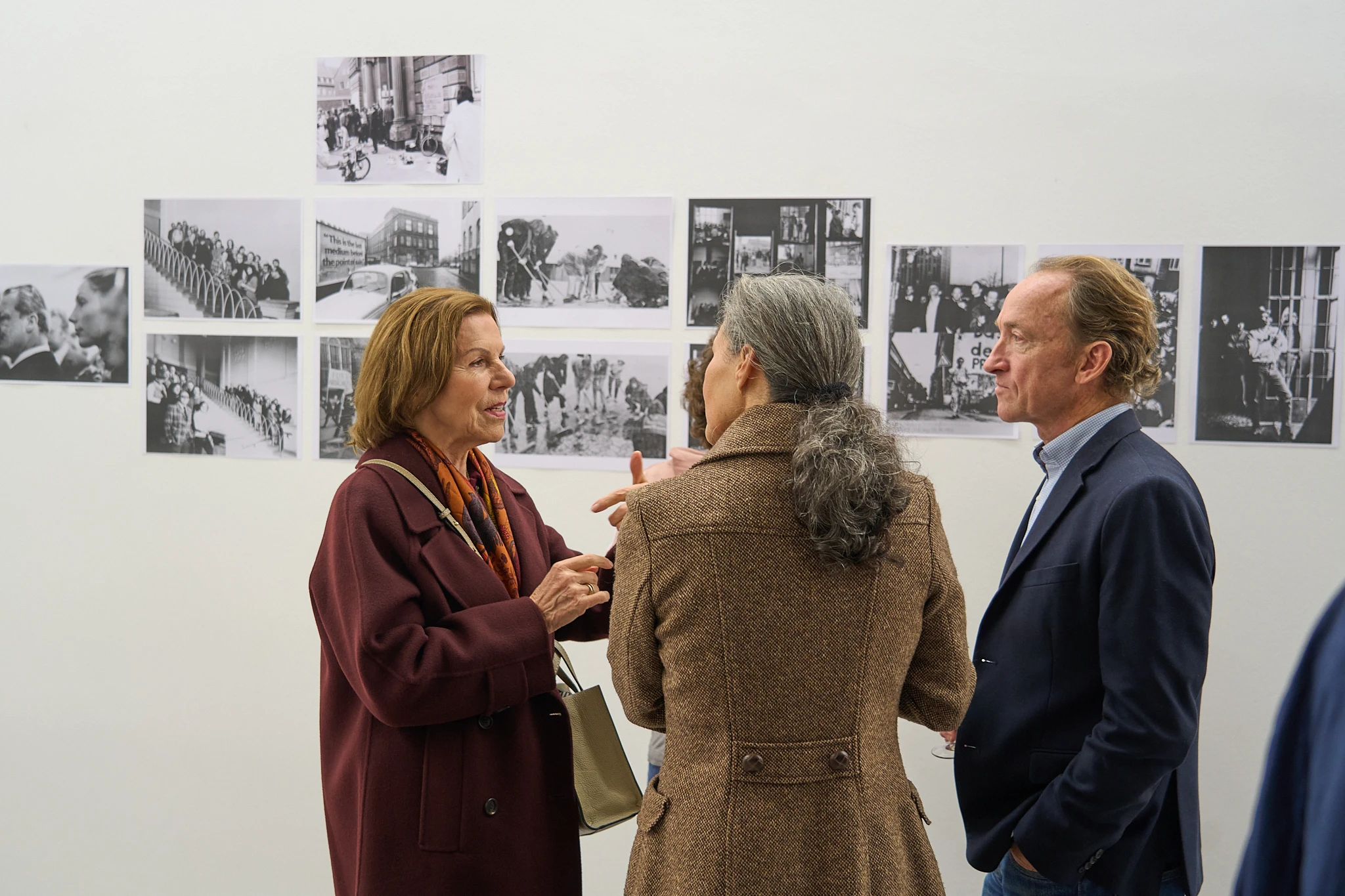
MIRROR IN TIME OPENING, photo Mark Záhorszky
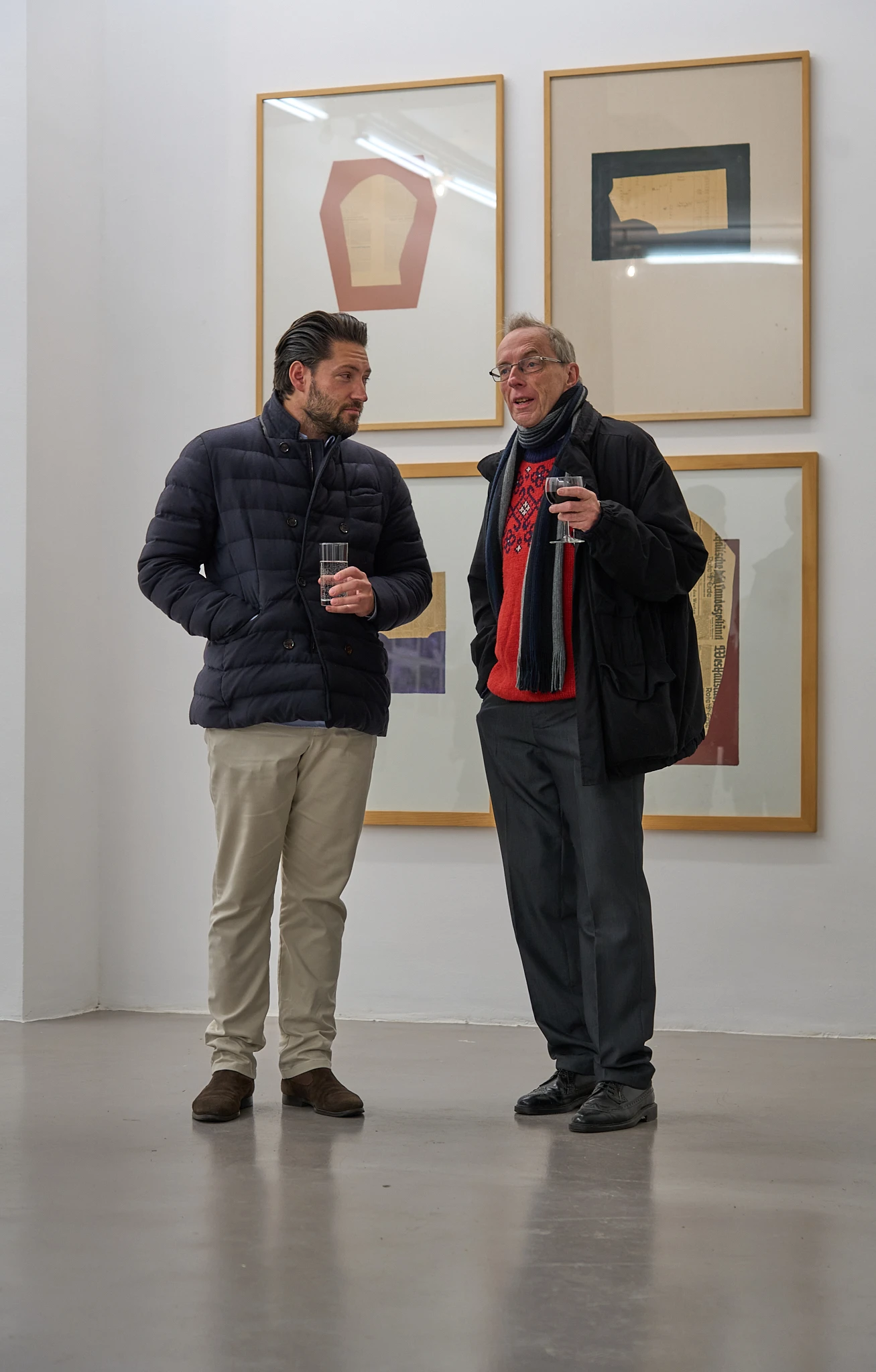
MIRROR IN TIME OPENING, photo Mark Záhorszky
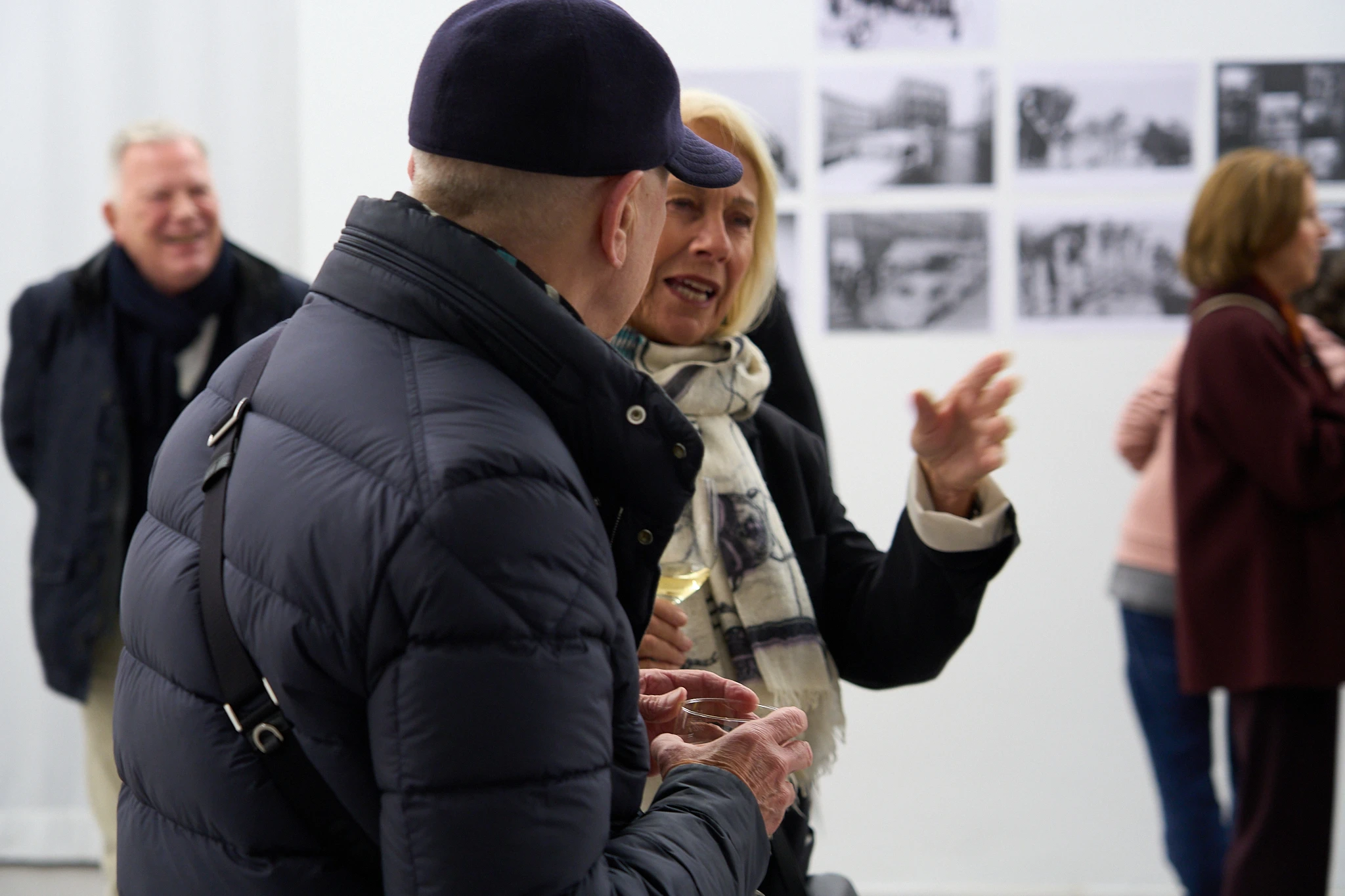
MIRROR IN TIME OPENING, photo Mark Záhorszky
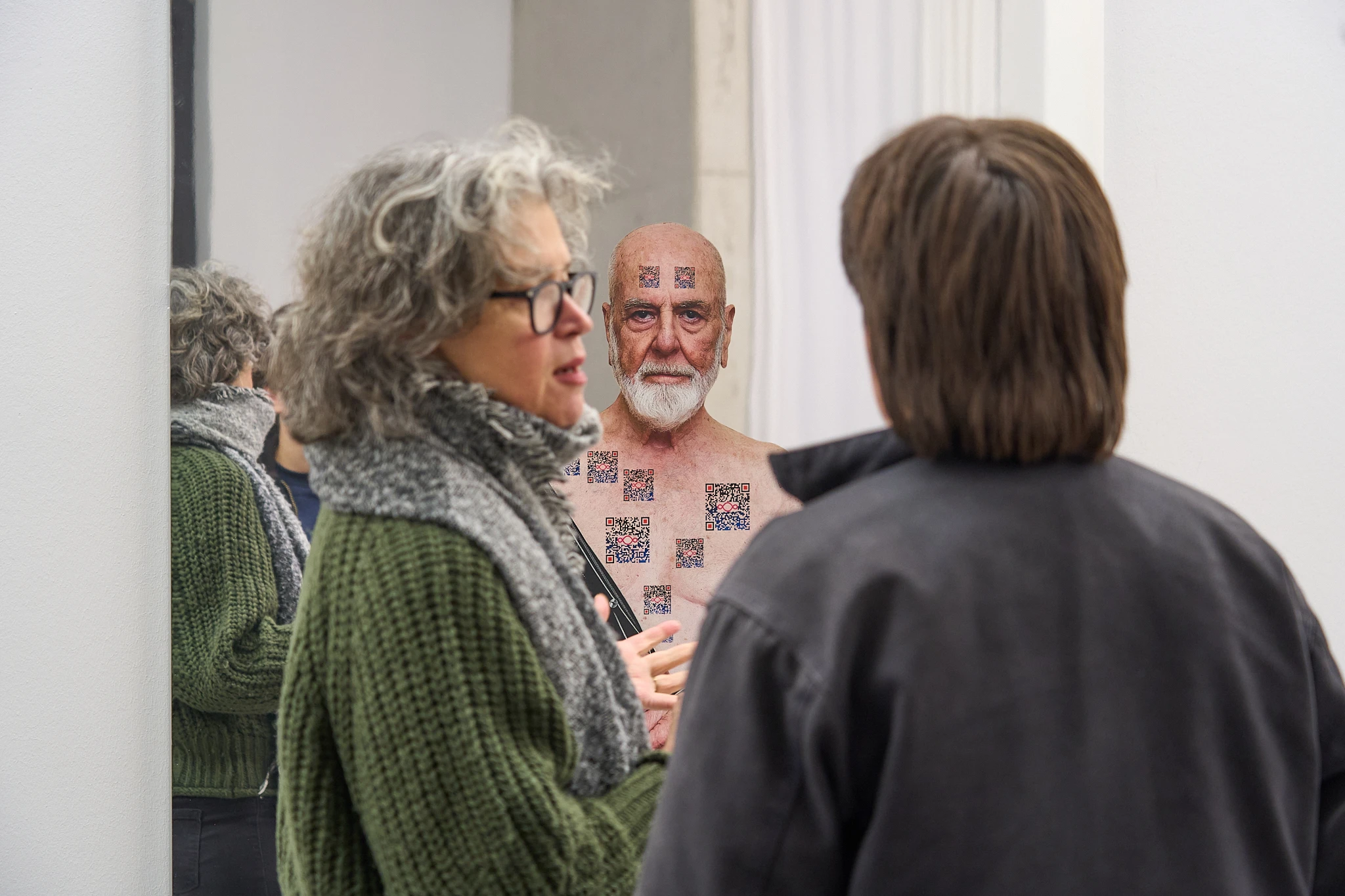
MIRROR IN TIME OPENING, photo Mark Záhorszky
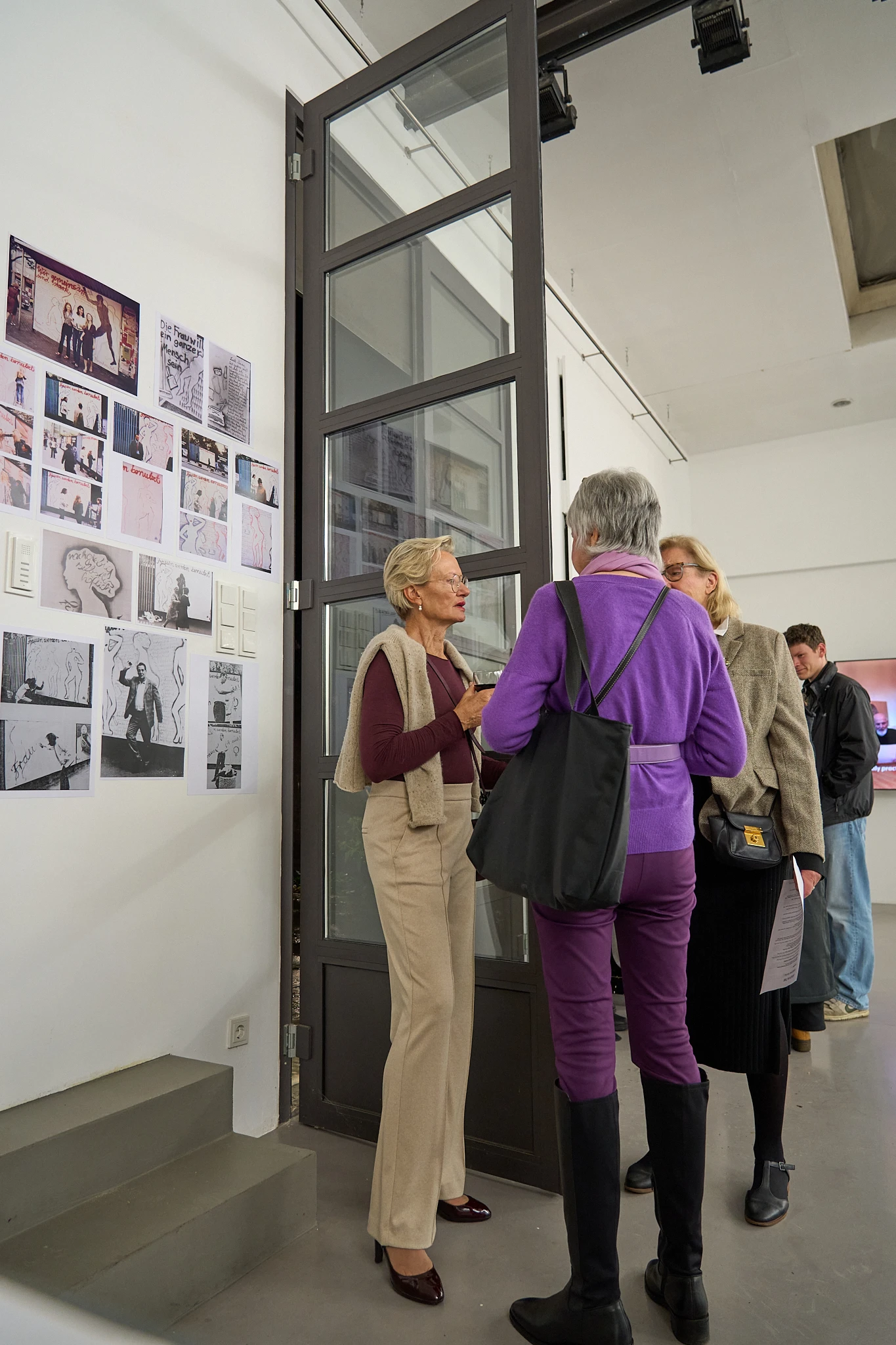
MIRROR IN TIME OPENING, photo Mark Záhorszky
MIRROR IN TIME OPENING, photo Mark Záhorszky
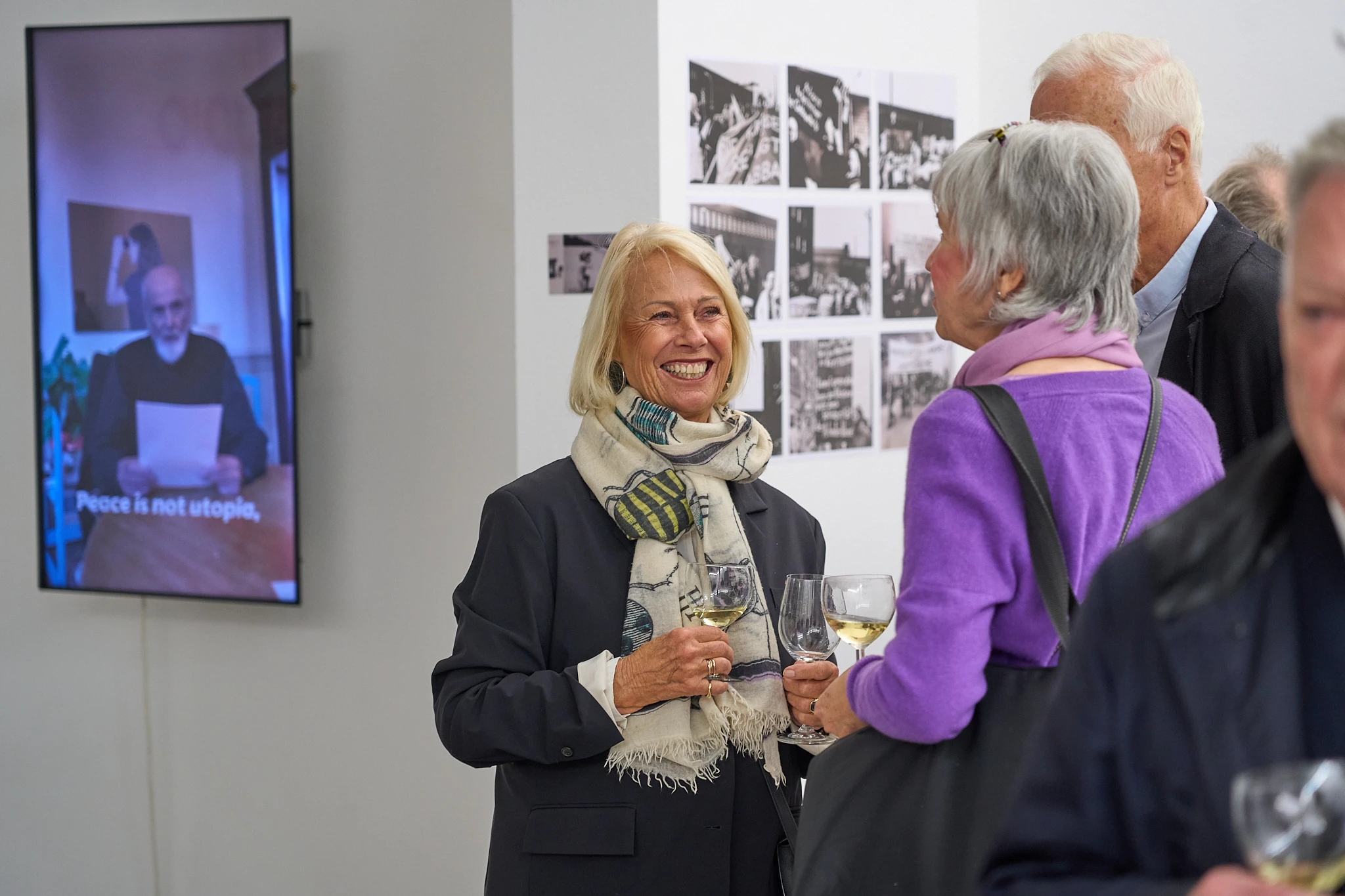
MIRROR IN TIME OPENING, photo Mark Záhorszky
MIRROR IN TIME OPENING, photo Mark Záhorszky
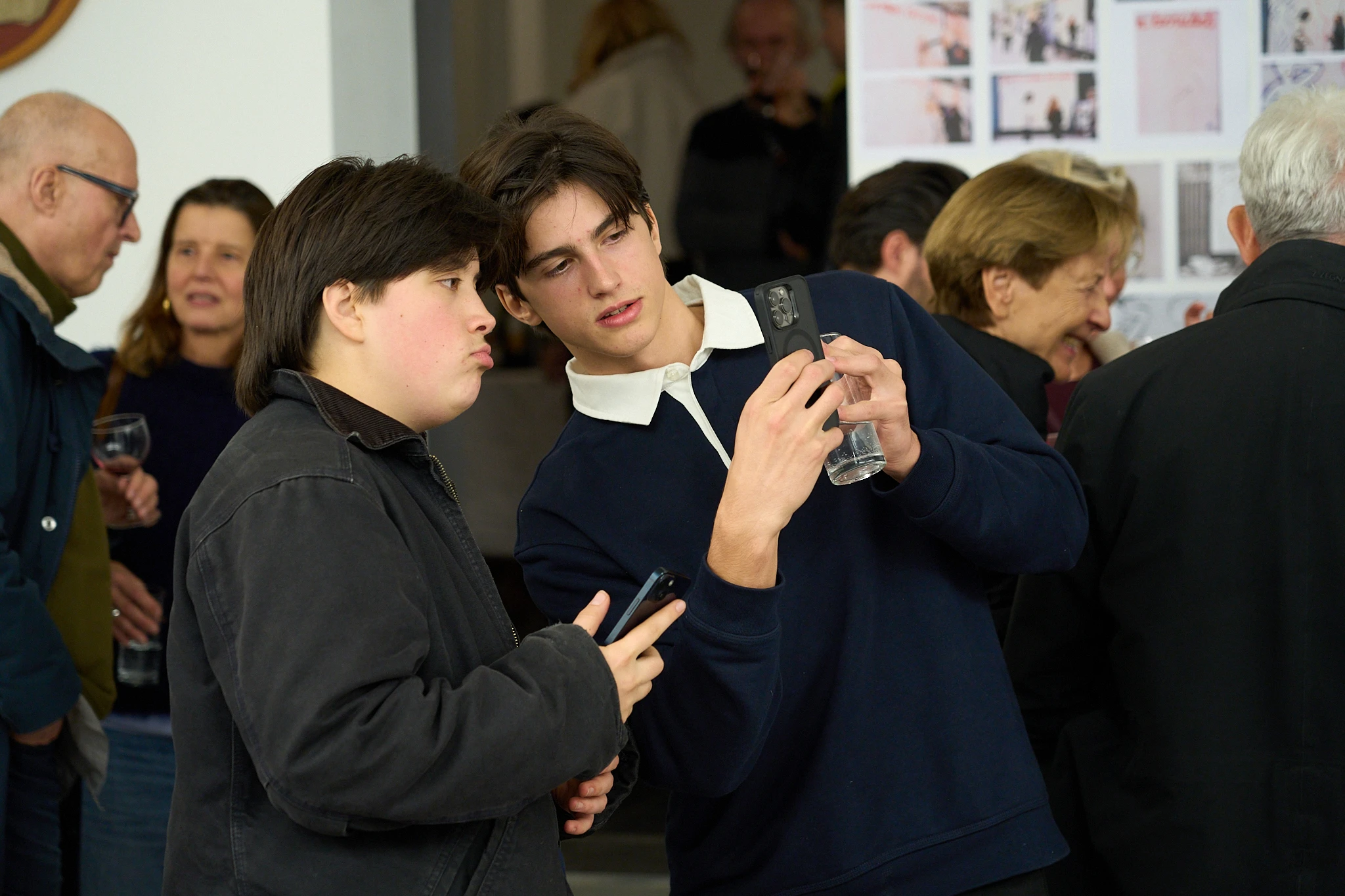
MIRROR IN TIME OPENING, photo Mark Záhorszky
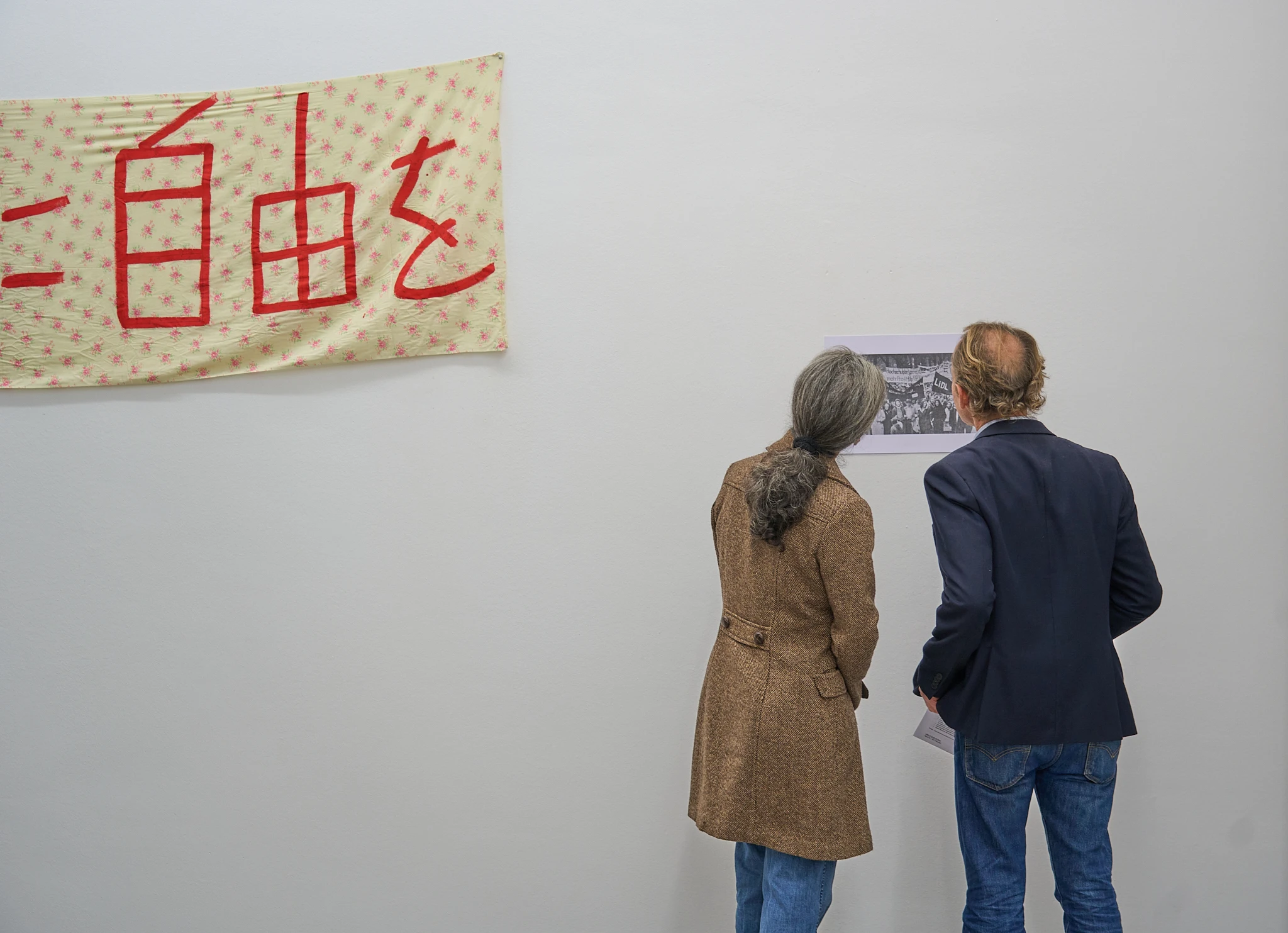
MIRROR IN TIME OPENING, photo Mark Záhorszky
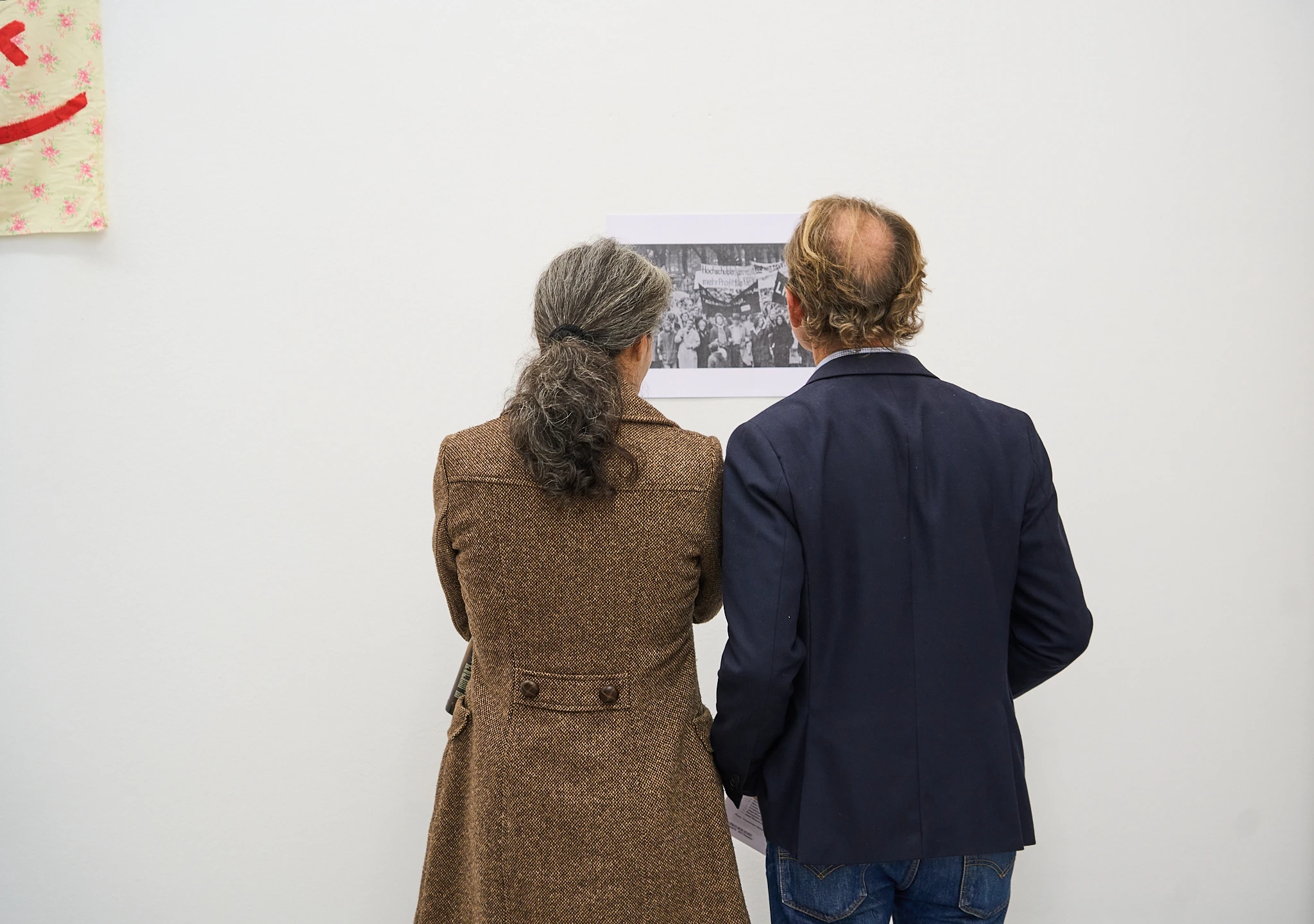
MIRROR IN TIME OPENING, photo Mark Záhorszky
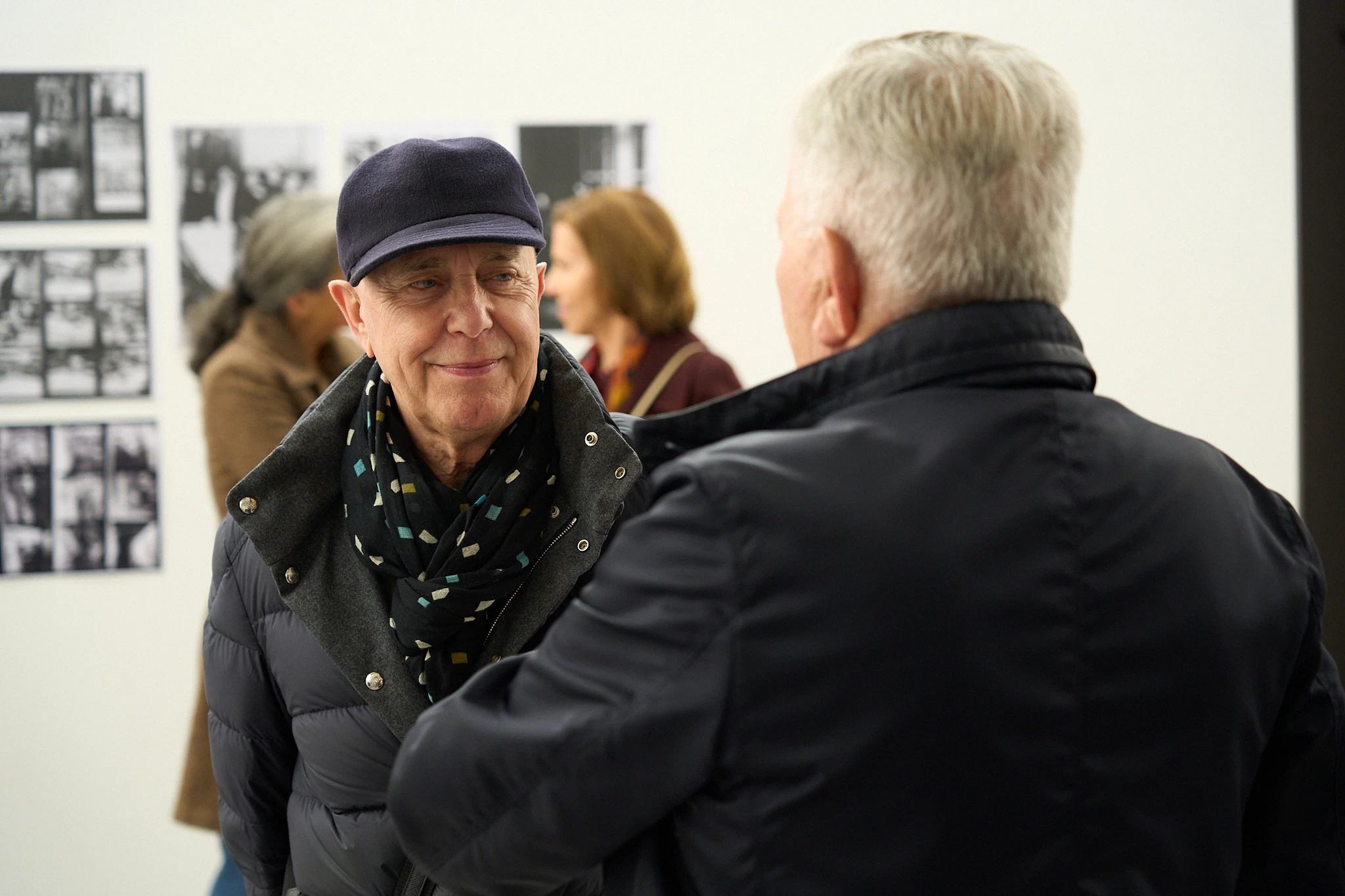
MIRROR IN TIME OPENING, photo Mark Záhorszky
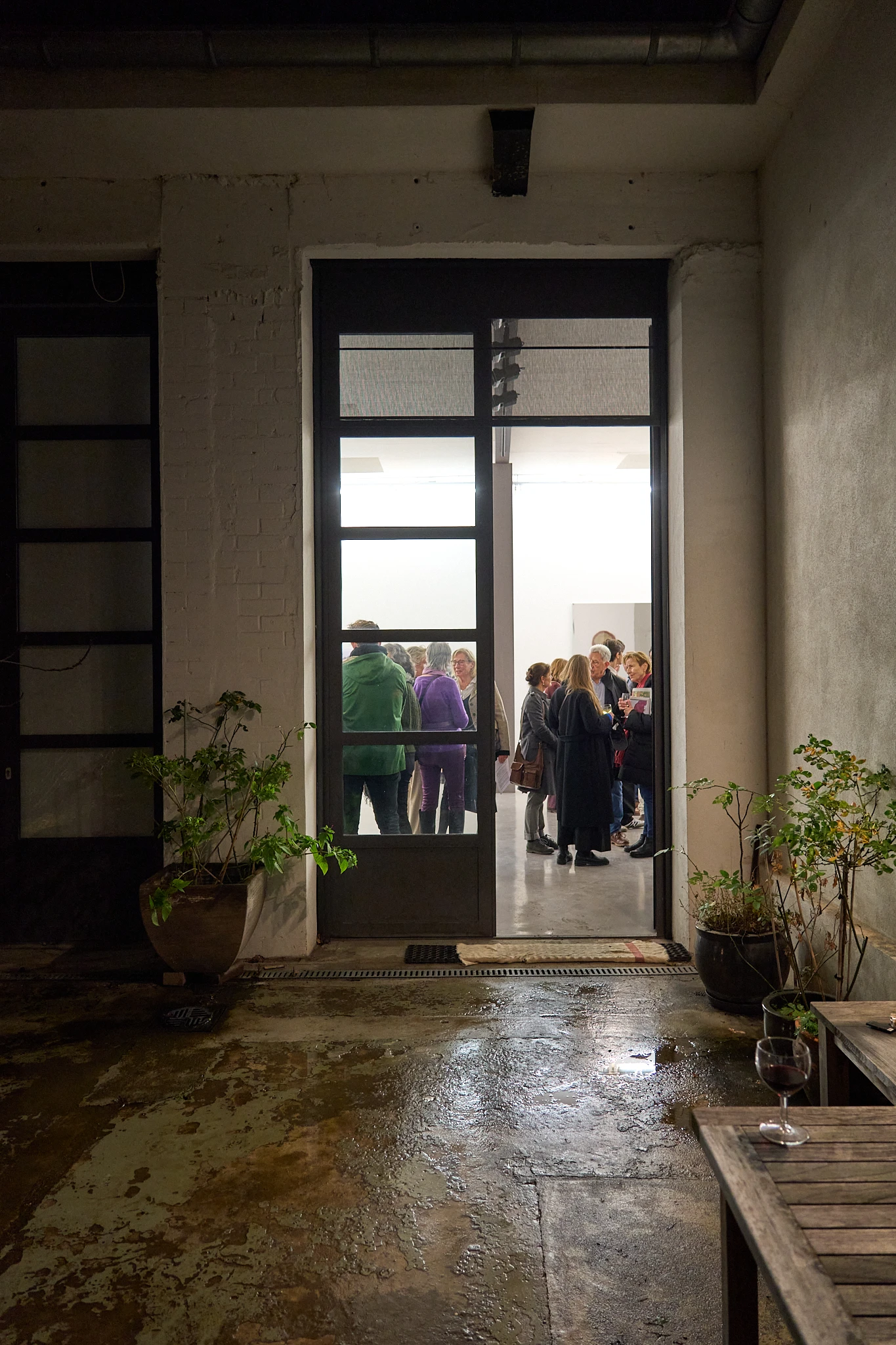
MIRROR IN TIME OPENING, photo Mark Záhorszky
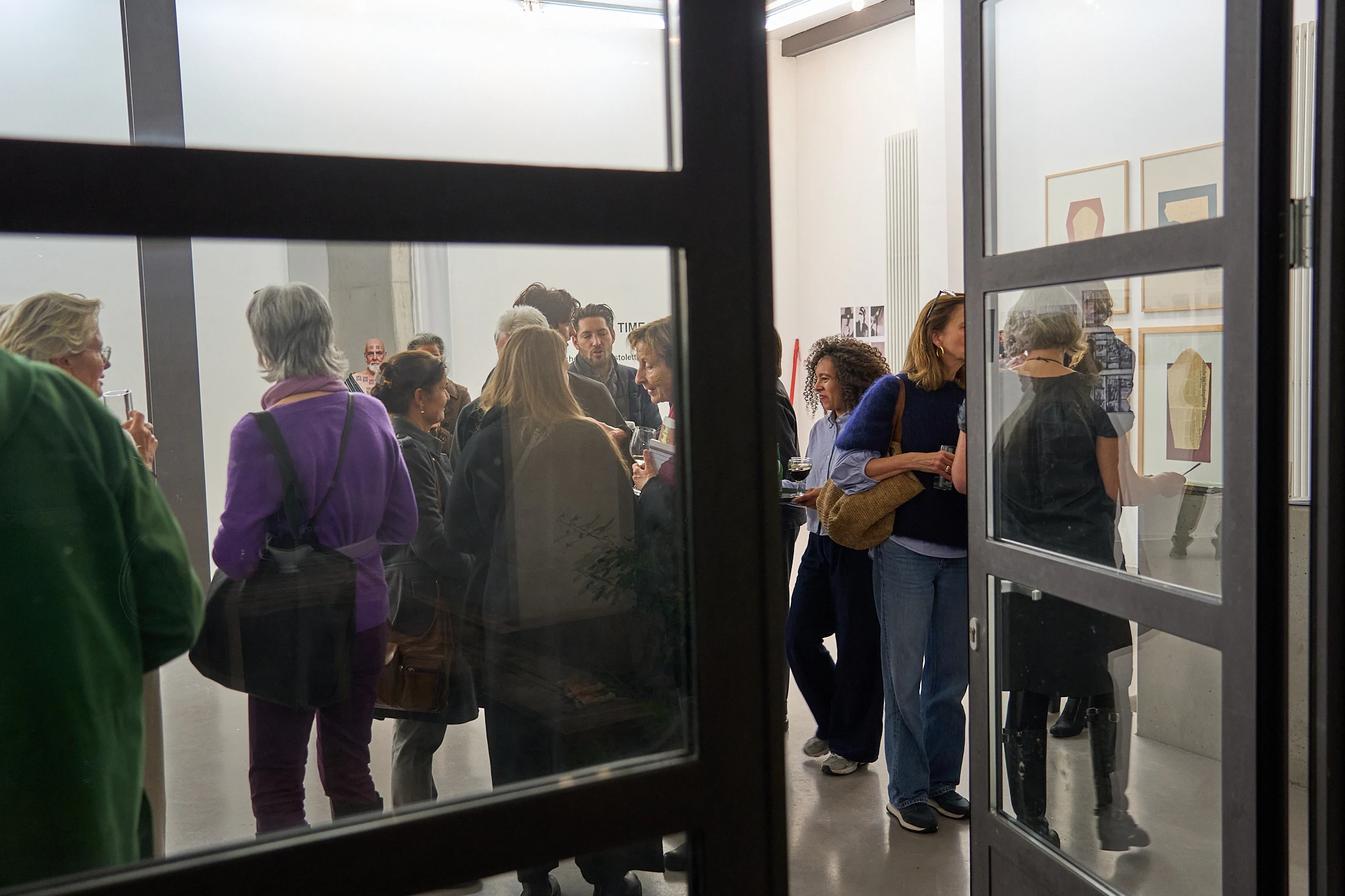
MIRROR IN TIME OPENING, photo Mark Záhorszky
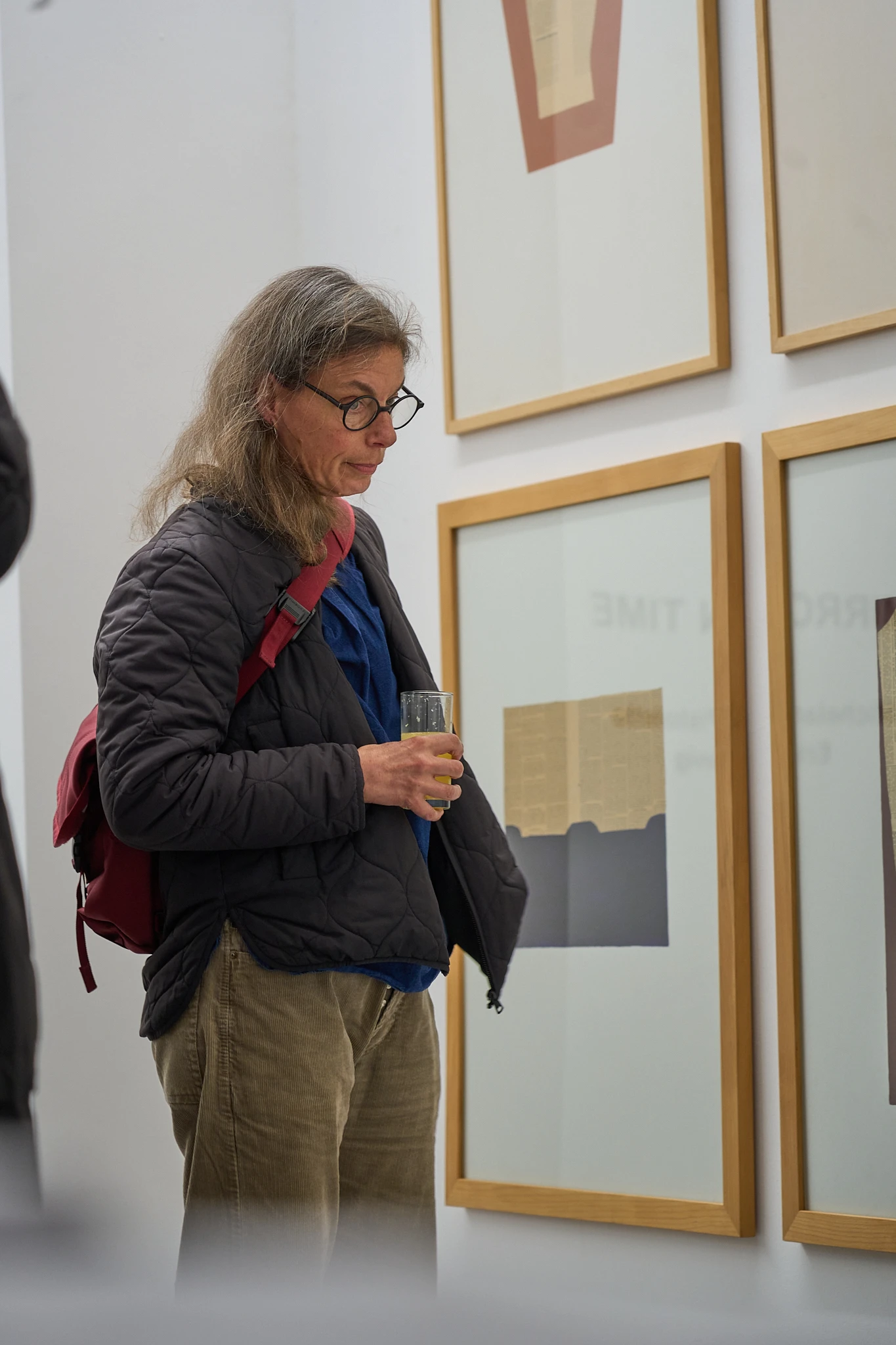
MIRROR IN TIME OPENING, photo Mark Záhorszky
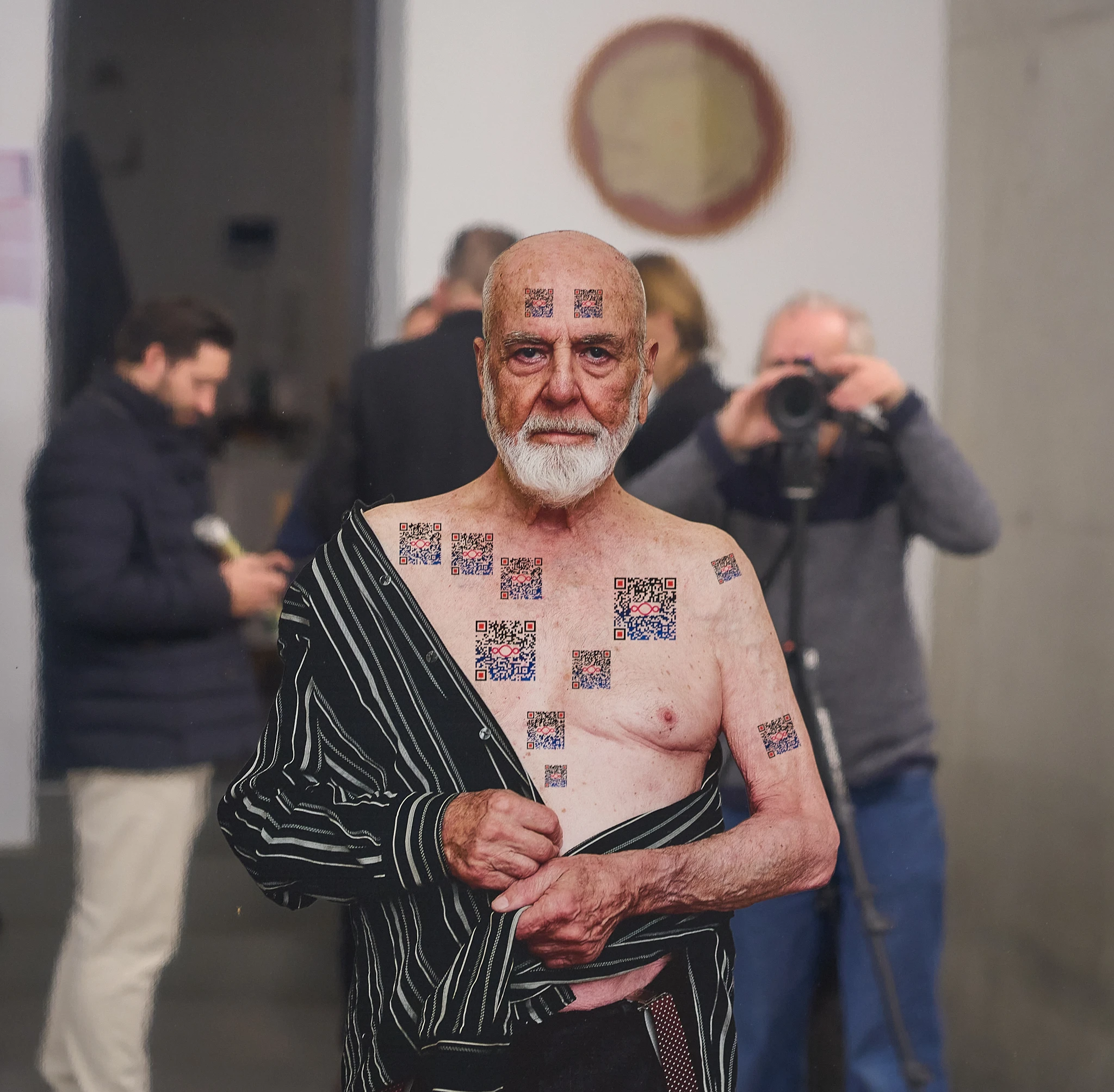
MIRROR IN TIME OPENING, photo Mark Záhorszky
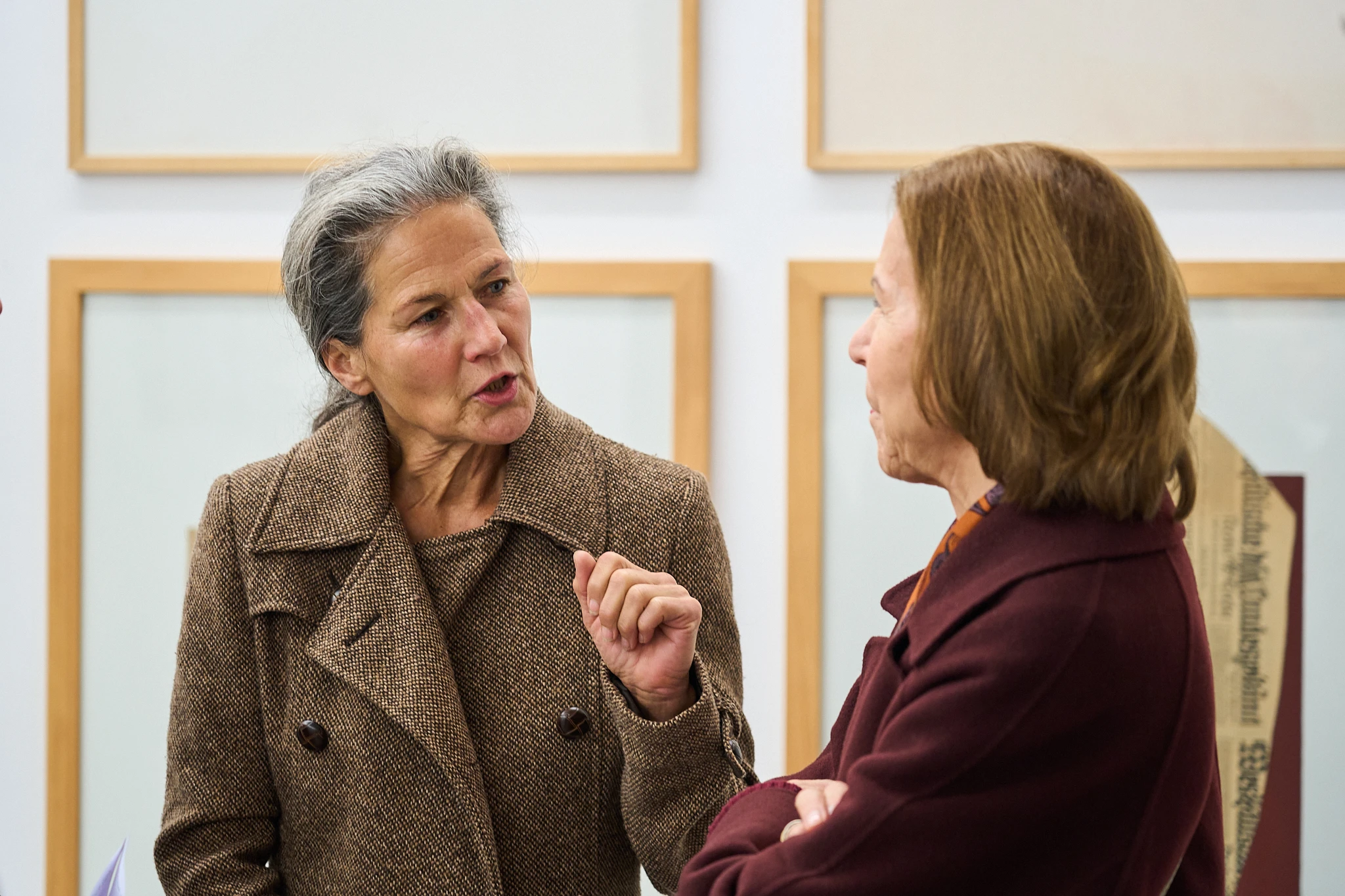
MIRROR IN TIME OPENING, photo Mark Záhorszky
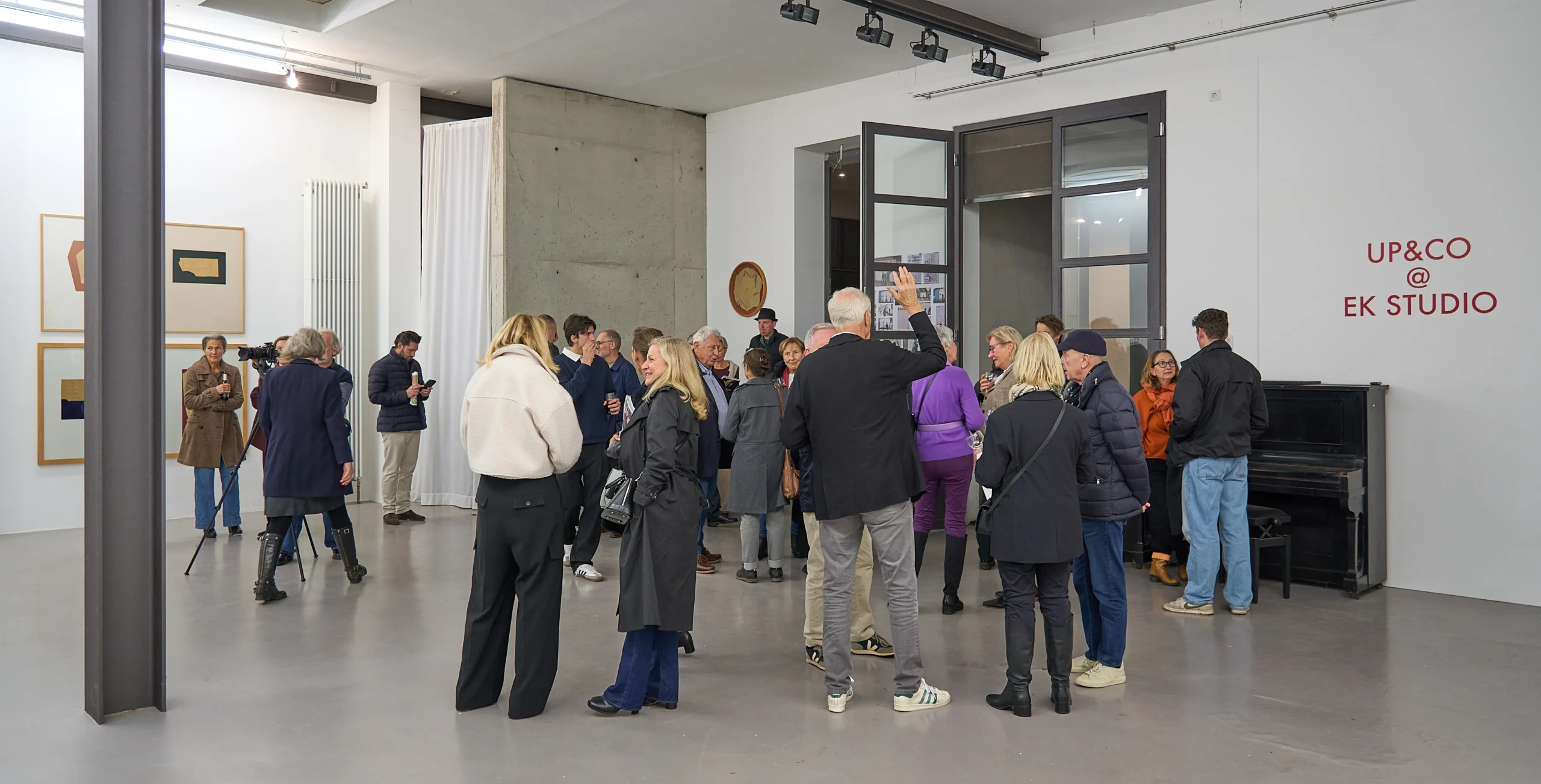
MIRROR IN TIME OPENING, photo Mark Záhorszky
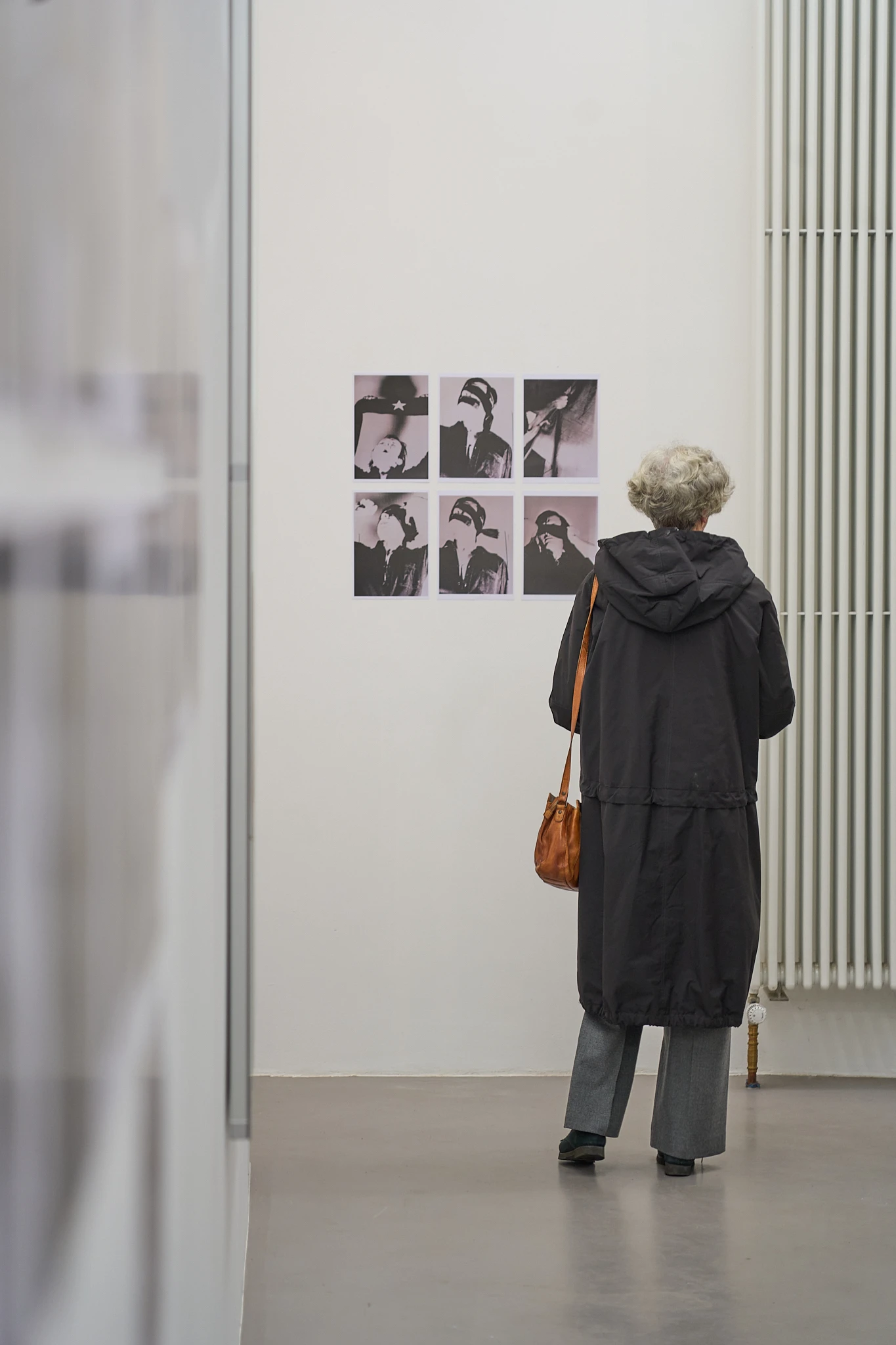
MIRROR IN TIME OPENING, photo Mark Záhorszky
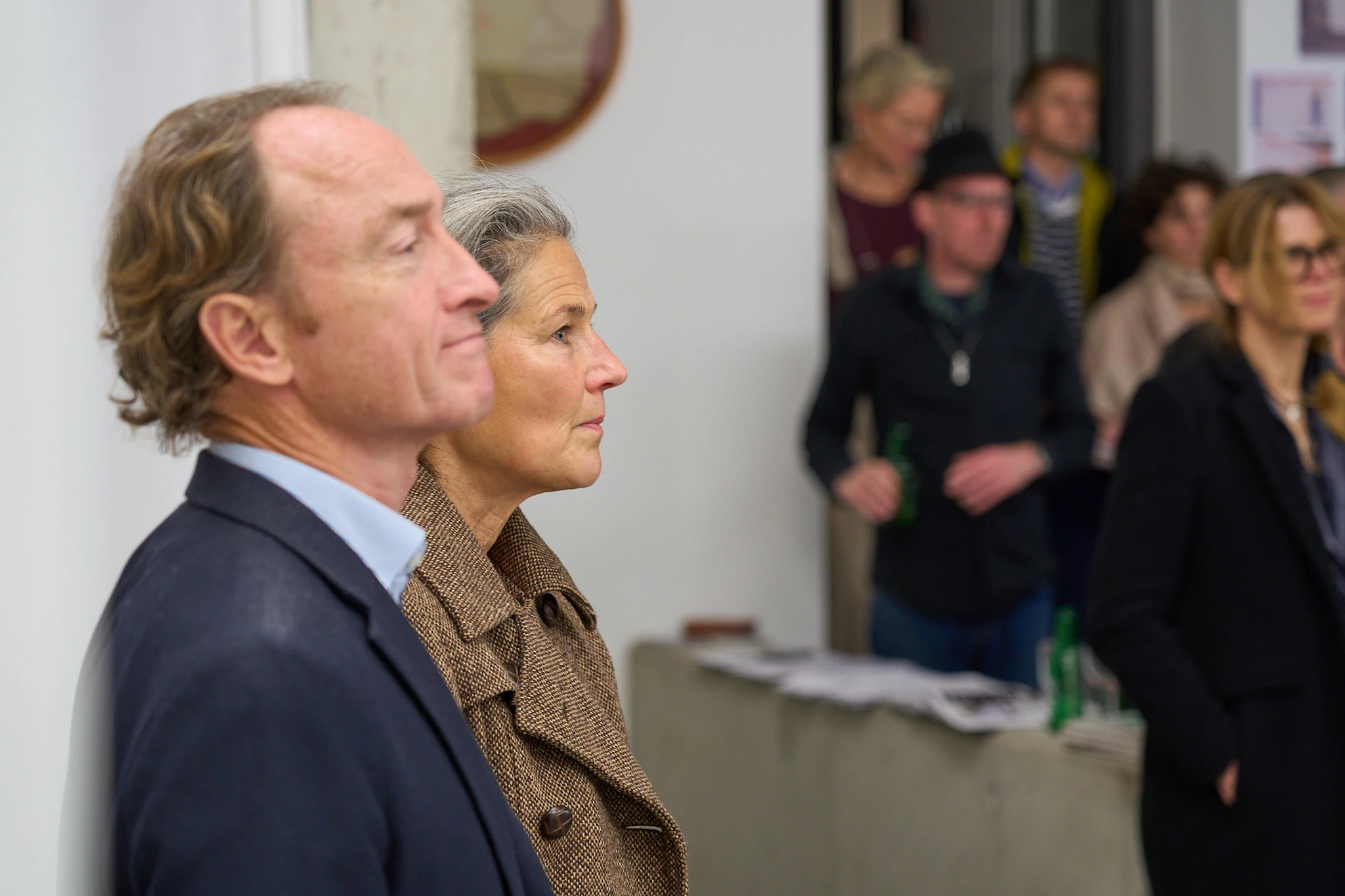
MIRROR IN TIME OPENING, photo Mark Záhorszky
MIRROR IN TIME OPENING, photo Mark Záhorszky
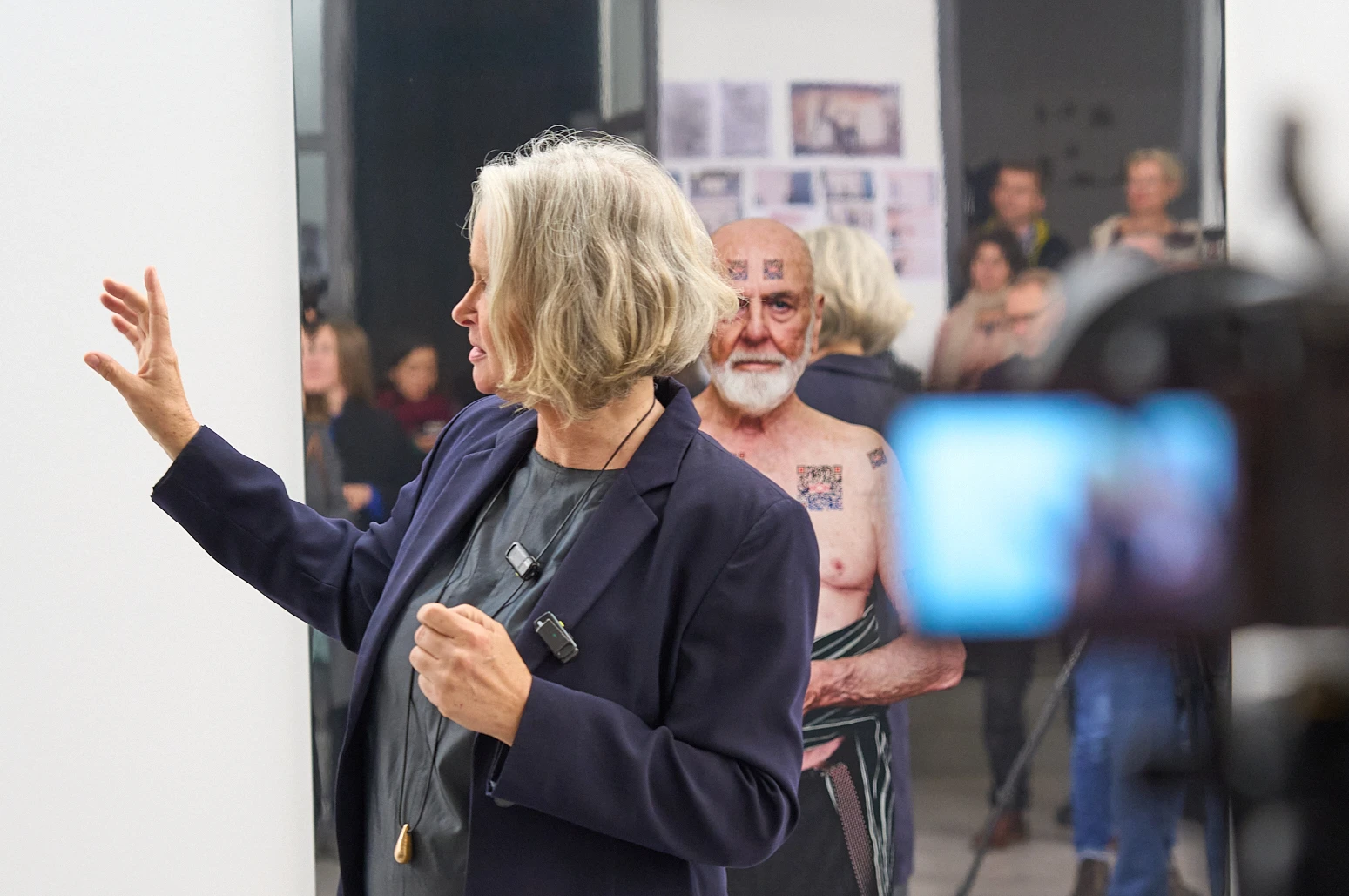
MIRROR IN TIME OPENING, photo Mark Záhorszky
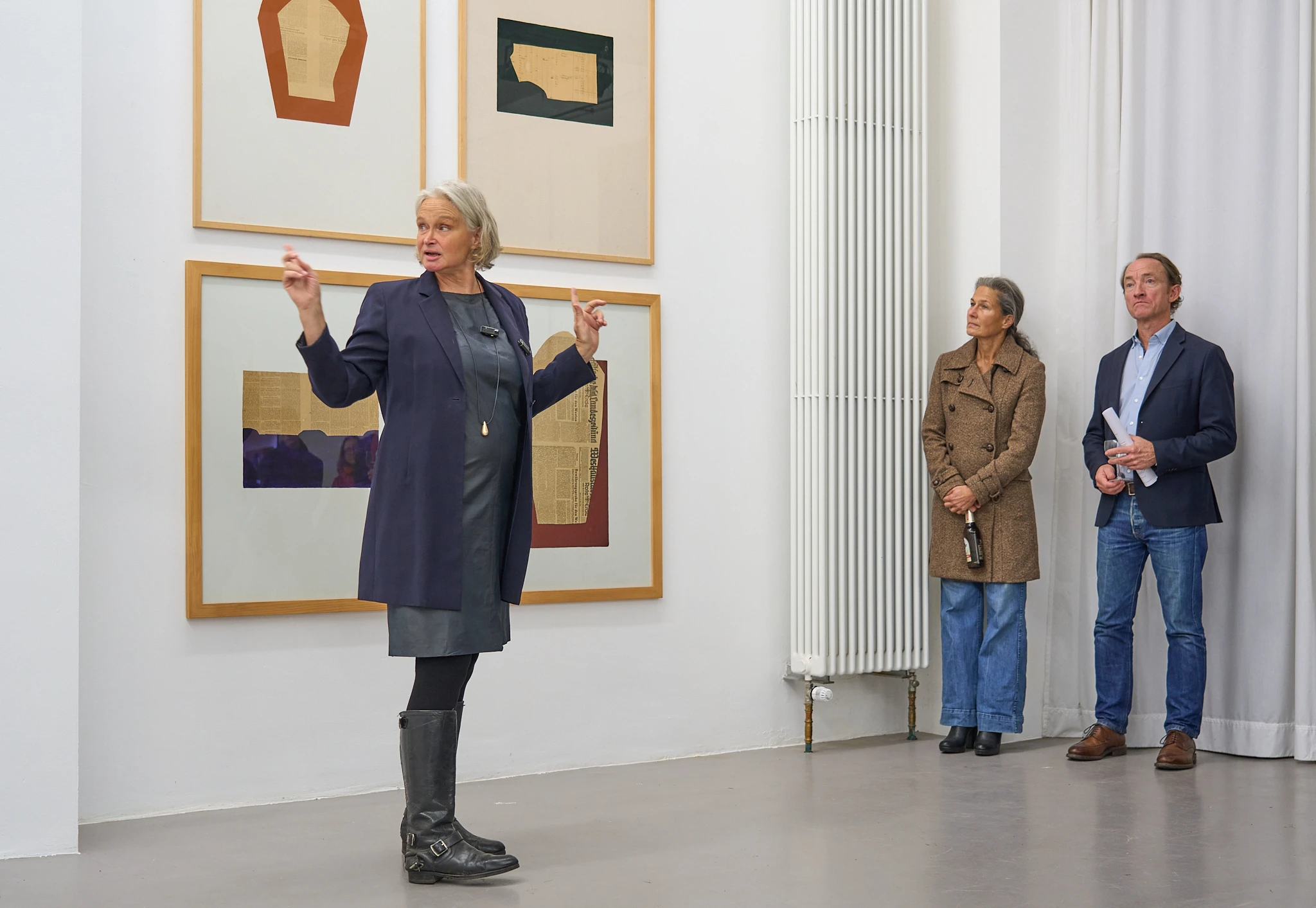
MIRROR IN TIME OPENING, photo Mark Záhorszky
_DSC0935
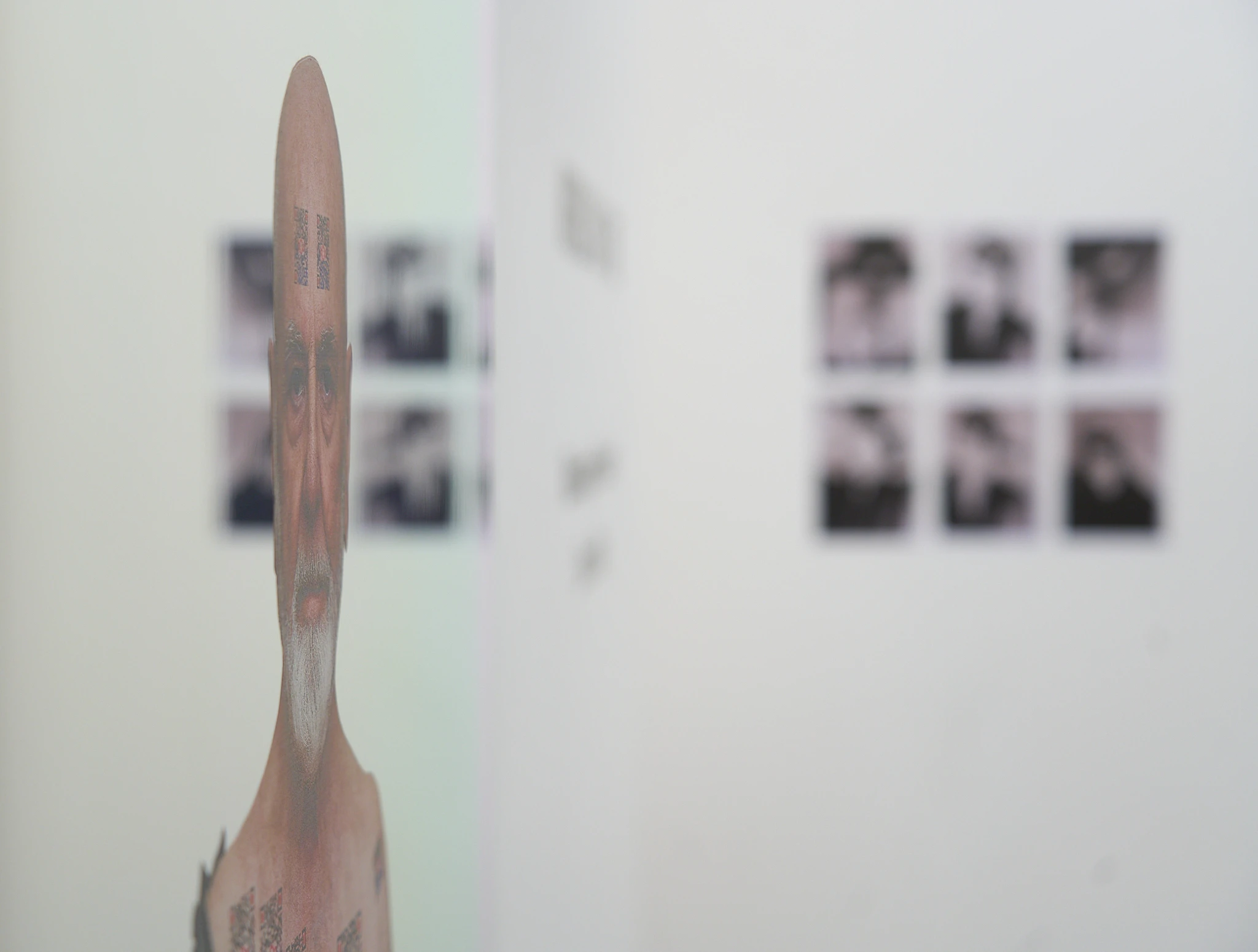
_DSC0936
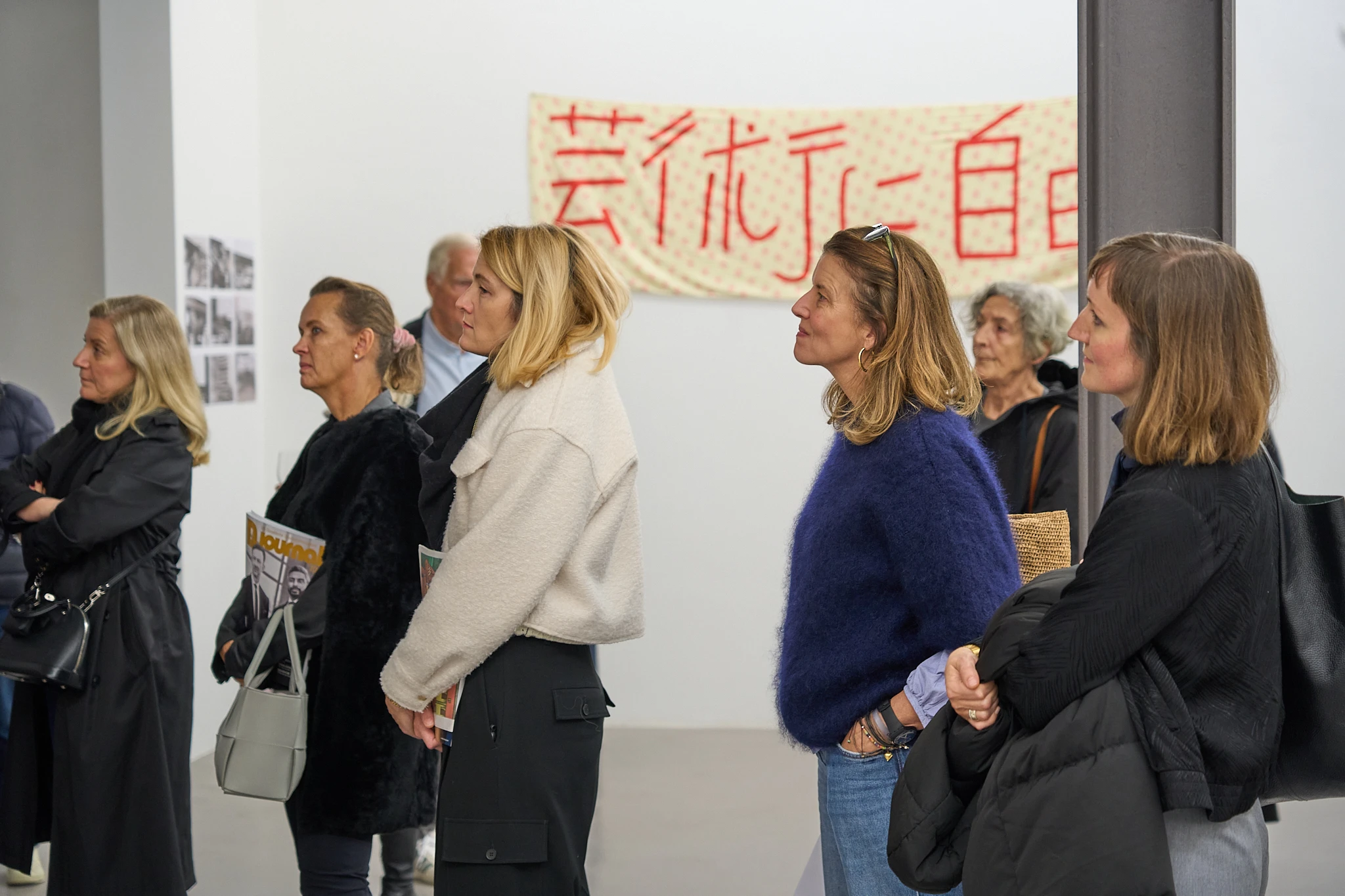
MIRROR IN TIME OPENING, photo Mark Záhorszky
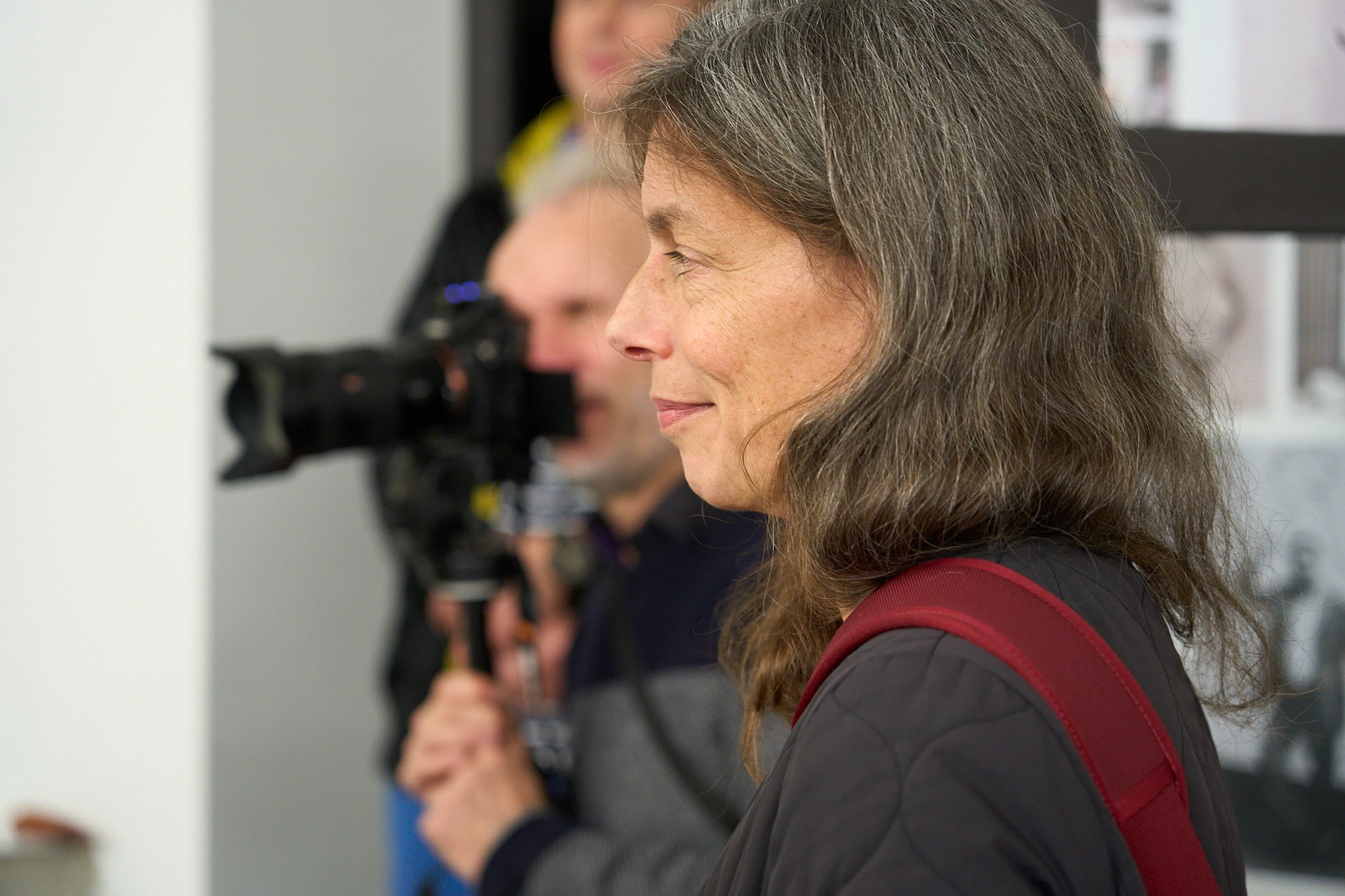
MIRROR IN TIME OPENING, photo Mark Záhorszky
Clips: Jan Höhe