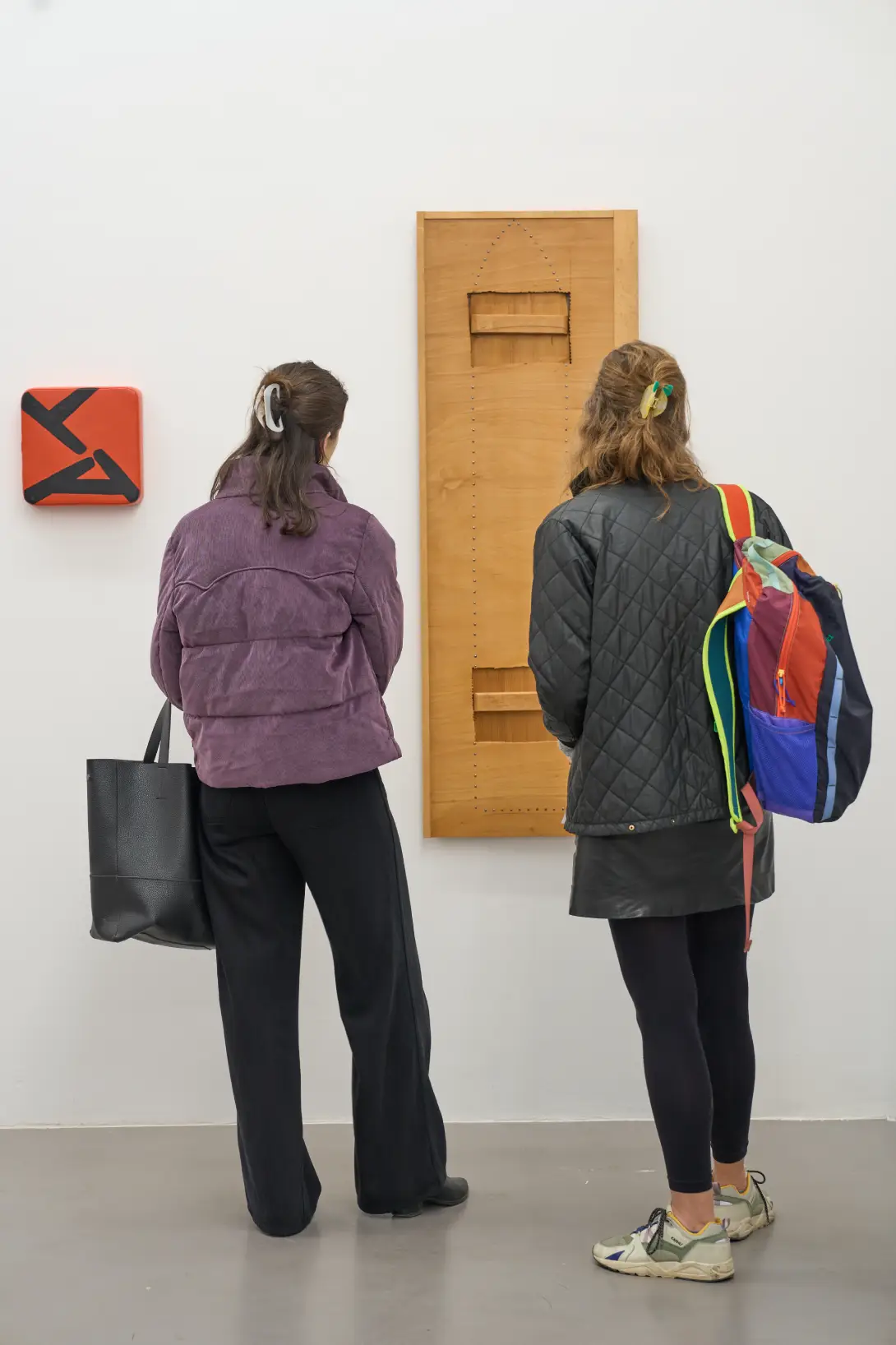
BEYOND, UP&CO @ EK STUDIO, Düsseldorf, 2025
BEYOND
ERINNA KÖNIG
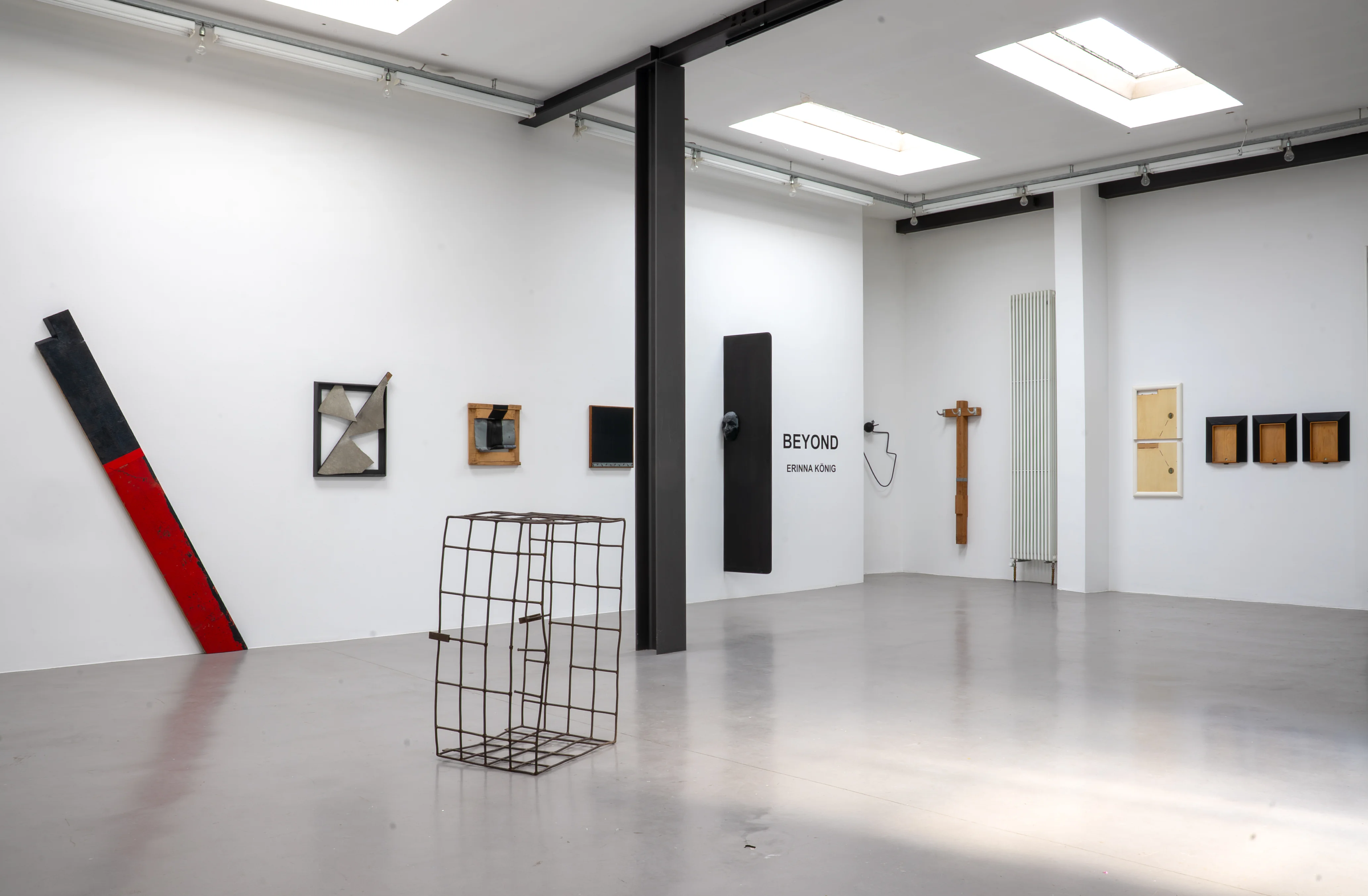
This third solo exhibition of Erinna Königs überpolitical sculptural paintings forms the climax of the series exhibiting previously unseen work spanning four decades.
BEYOND spurs the viewer to look further, feel deeper, be transported ‘beyond’ by König’s masterful compositions, boldly composed with wit and finesse.
Erinna König charges found objects with innuendo combining the personal with the political, the individial with the universal, purposefully proposing profound perspectives.
Inserting, collaging, chiseling, nailing, painting, hammering, sawing or sewing – in limitless variations infuses Erinna König her compositions with deep meaning. Eloquently she merges contrasts and paradoxes into one idiomatic language both abstract and figurative.
With playful easy she weaves narratives from seemingly random points of departure. A shadow, plywood, scaffolding plank, brick, asbestos cladding, household furniture, her own body or an ironing board, with a twist they tell a new tale. Nothing is left to chance, every minute detail carefully considered. Aesthetic values weigh as much as symbolic references, cut angles, choices of colour or paint, artisanal proficiency or a piece’s provenance.
With singular drive young Erinna König enters the Düsseldorf art academy in 1967 to study scenography under Teo Otto, graphics under Dieter Roth, then joins Joseph Beuys’ master class and in 1974 creates the first ever moving image in the first film class under Ole John Povlsen. Elected president of the first Düsseldorf Academy student parliament, she also reads comparative languages and religious studies / Judaism at the universities of Cologne and Bonn.
Following a decade of political activism, in 1982 Erinna König reengages with her early work at the academy to create her distinctive mature work beautiful and strong, perplexing and thoughtprovoking. Her enigmatic symbolism poses personal and political puzzles in stylish conjugations evoking questions irking mankind.
Uscha Pohl
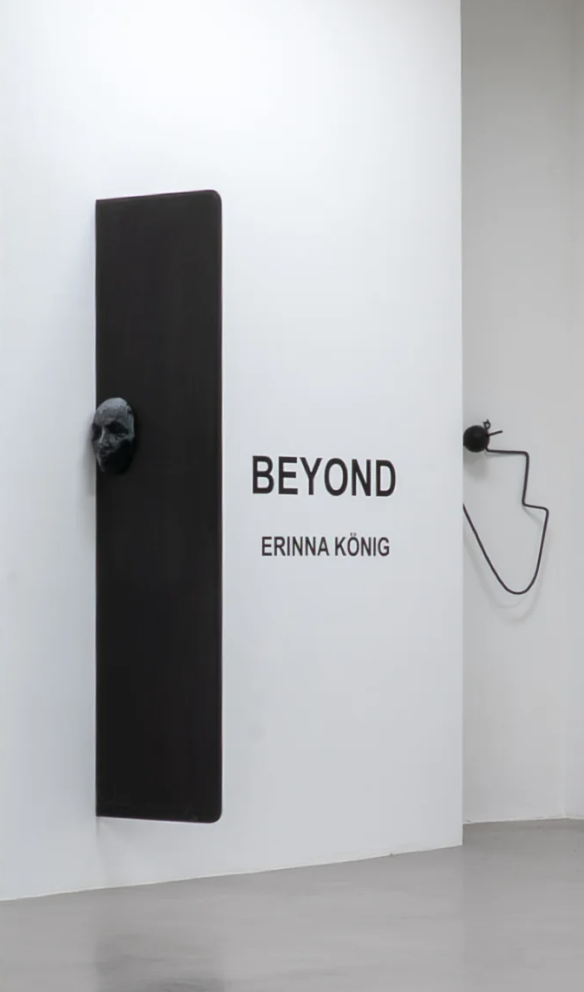
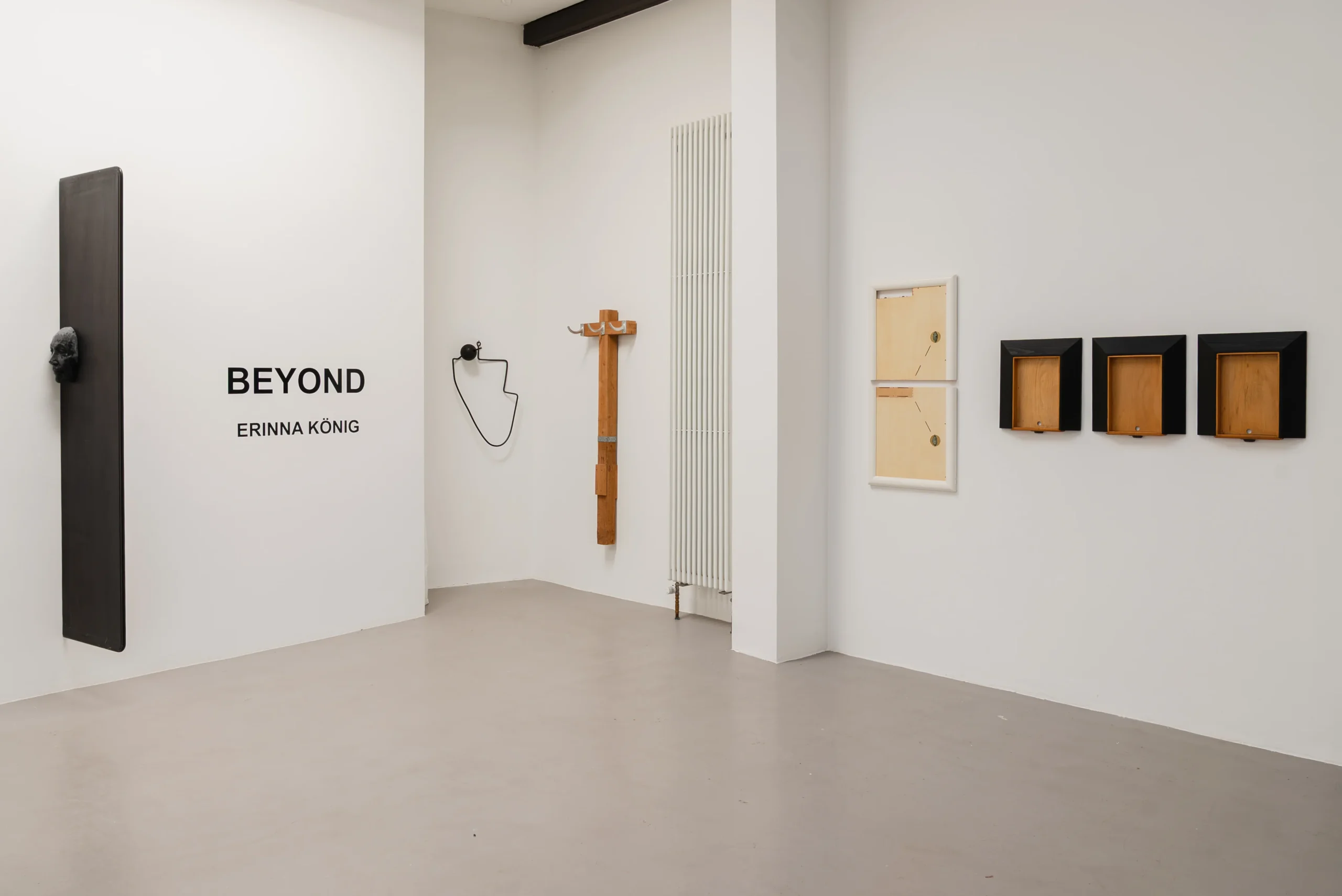
BEYOND, Erinna König, photo Jan Höhe
0B01n
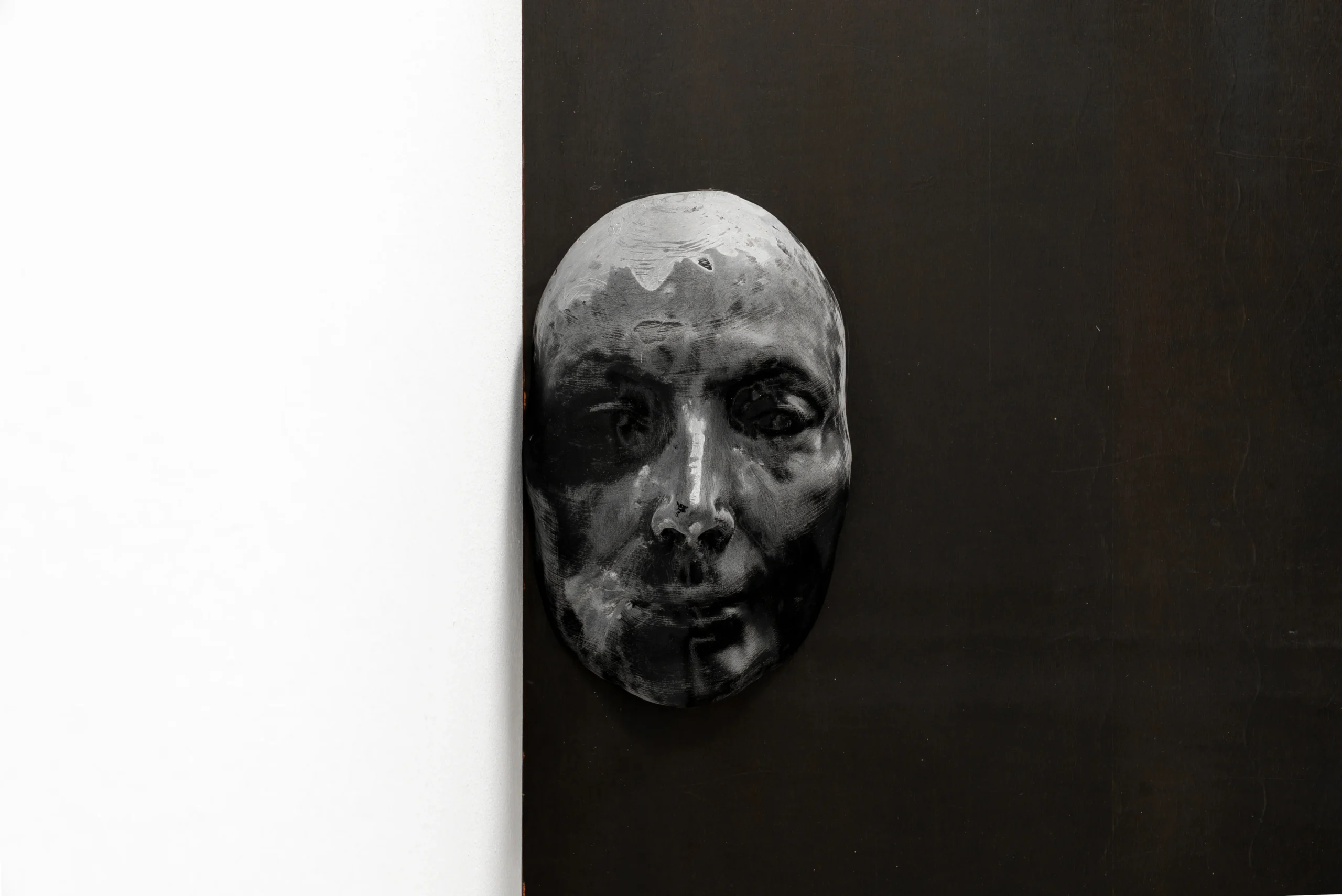
Untitled, 2020, photo Jan Höhe
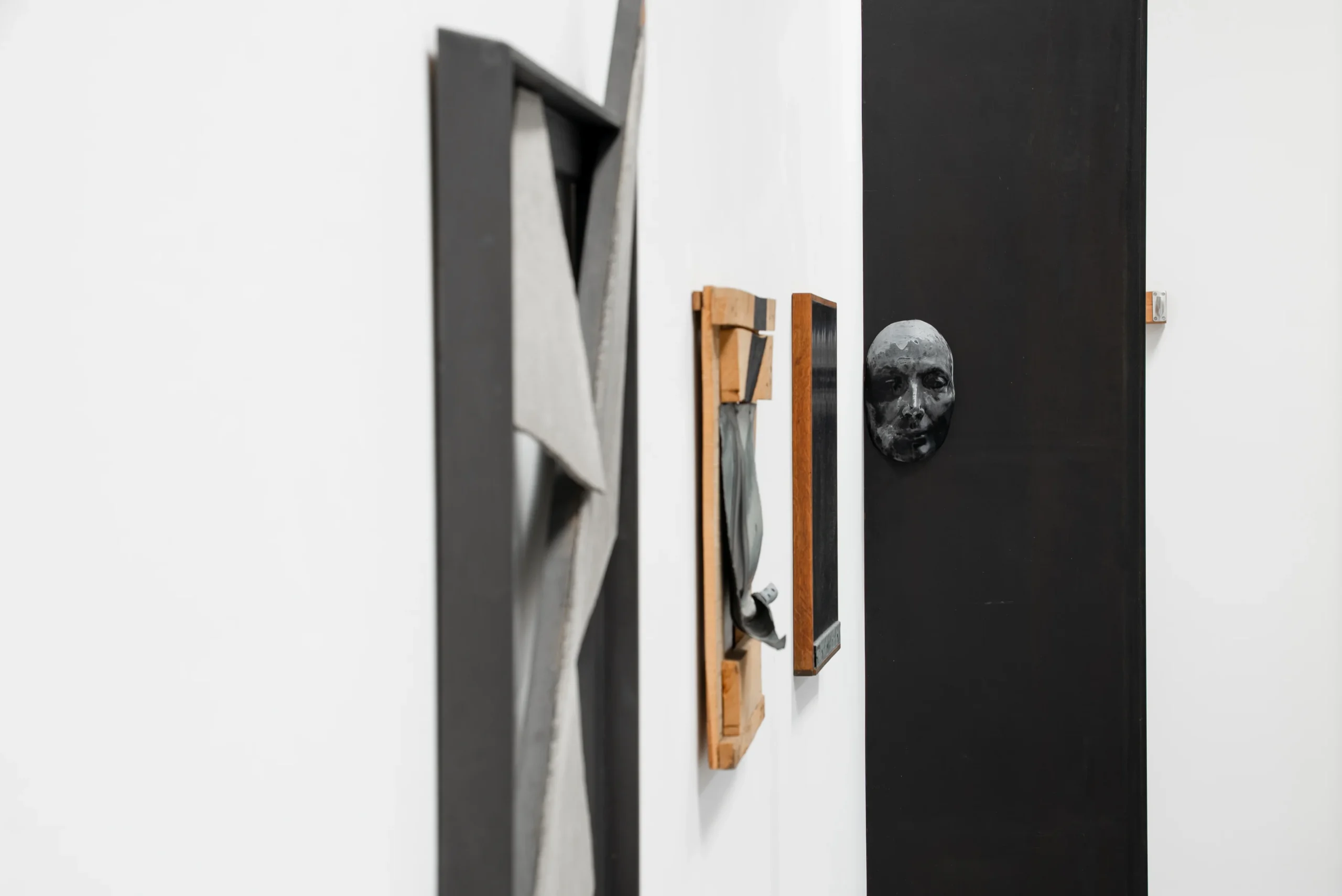
Untitled, 2020, photo Jan Höhe
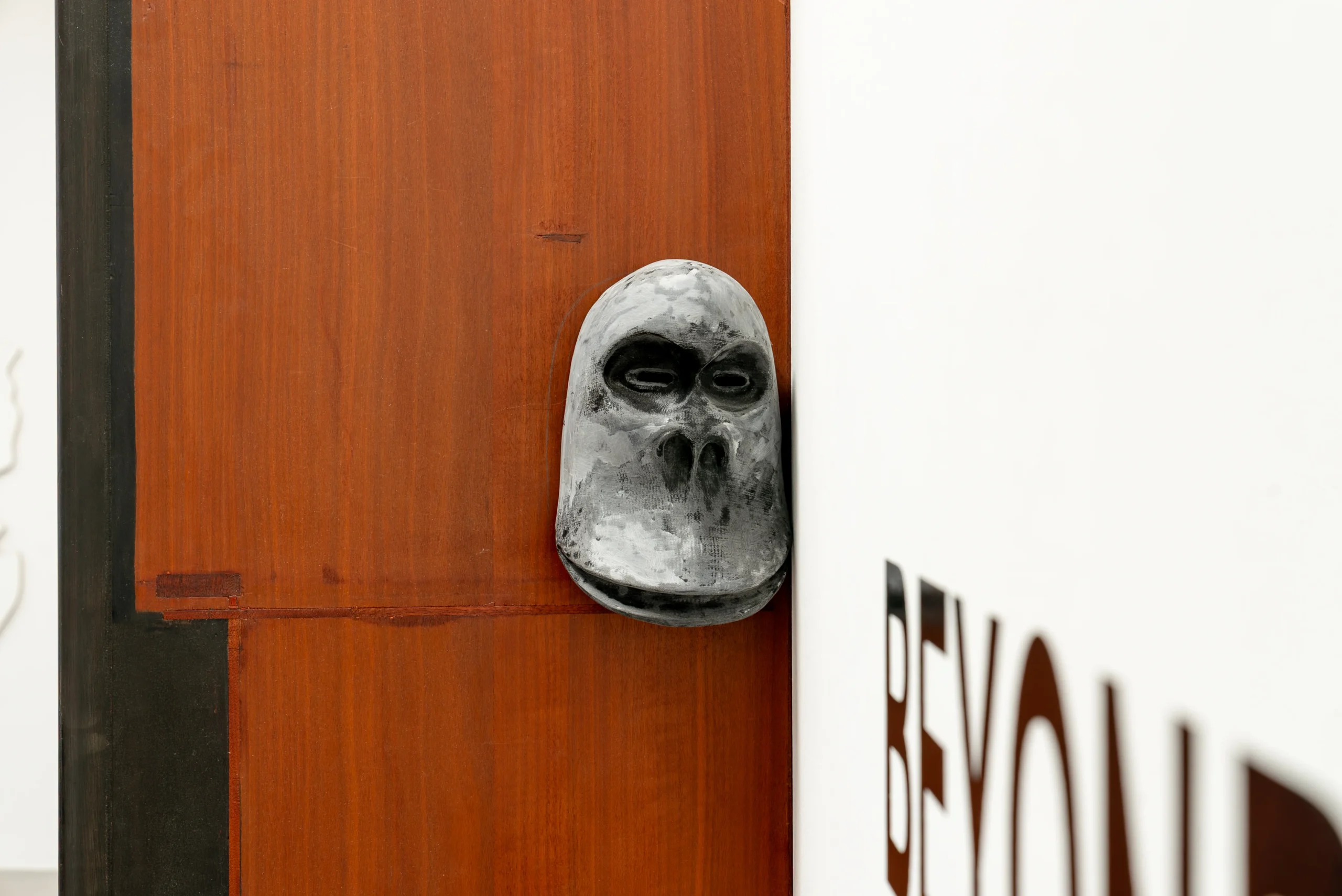
Untitled, 2020, photo Jan Höhe
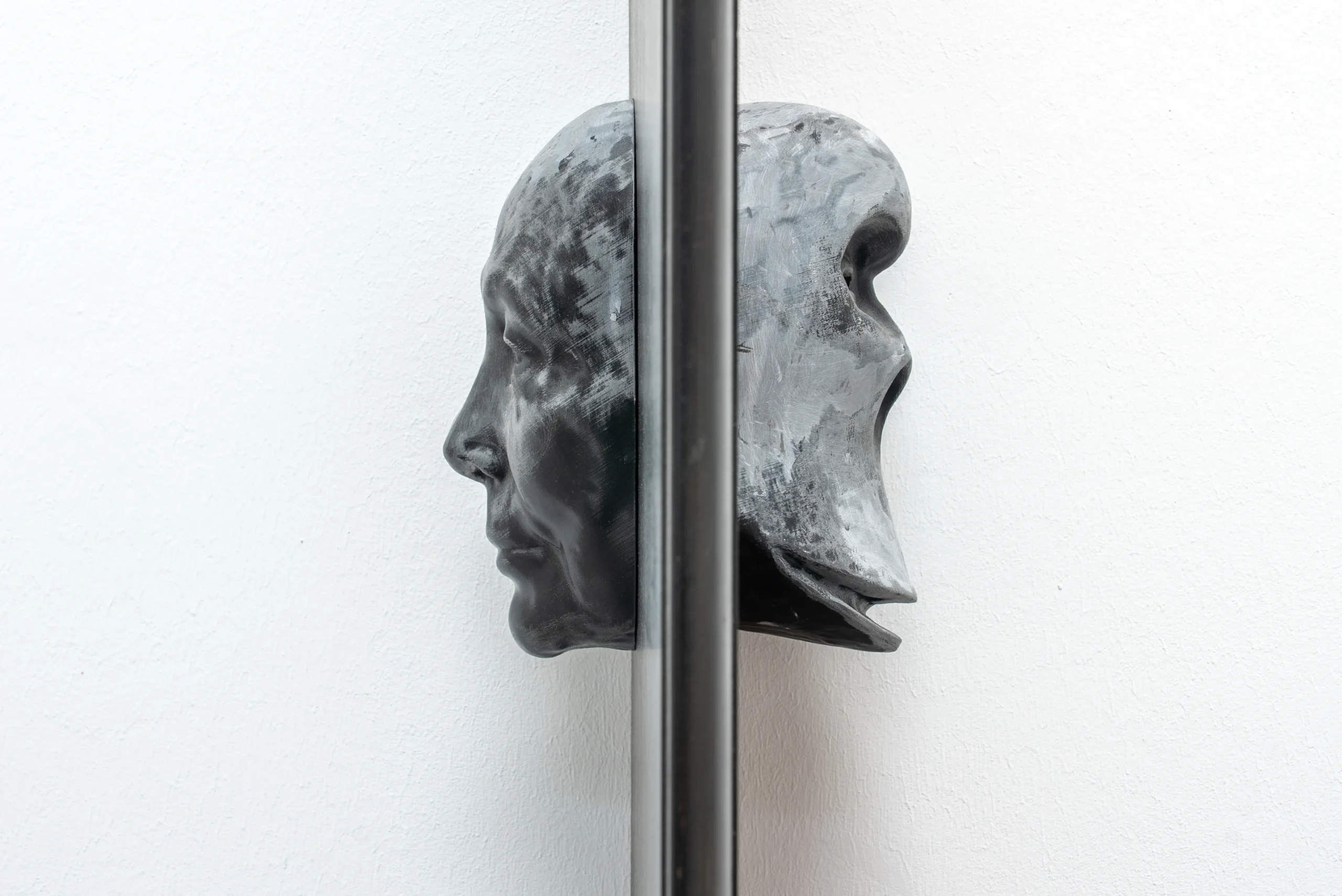
Untitled, 2020, photo Jan Höhe
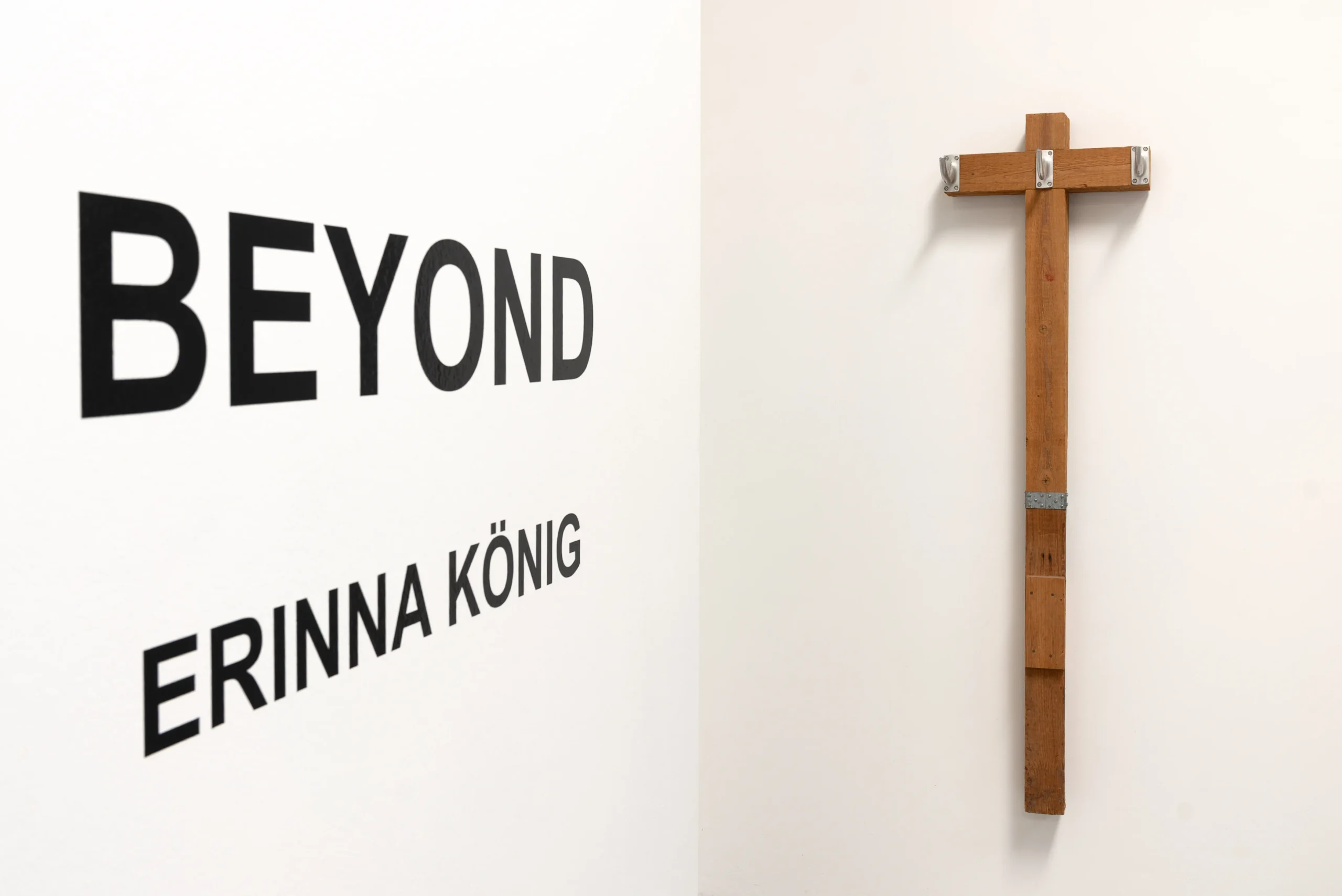
Untitled (Cross), 1984, photo Jan Höhe
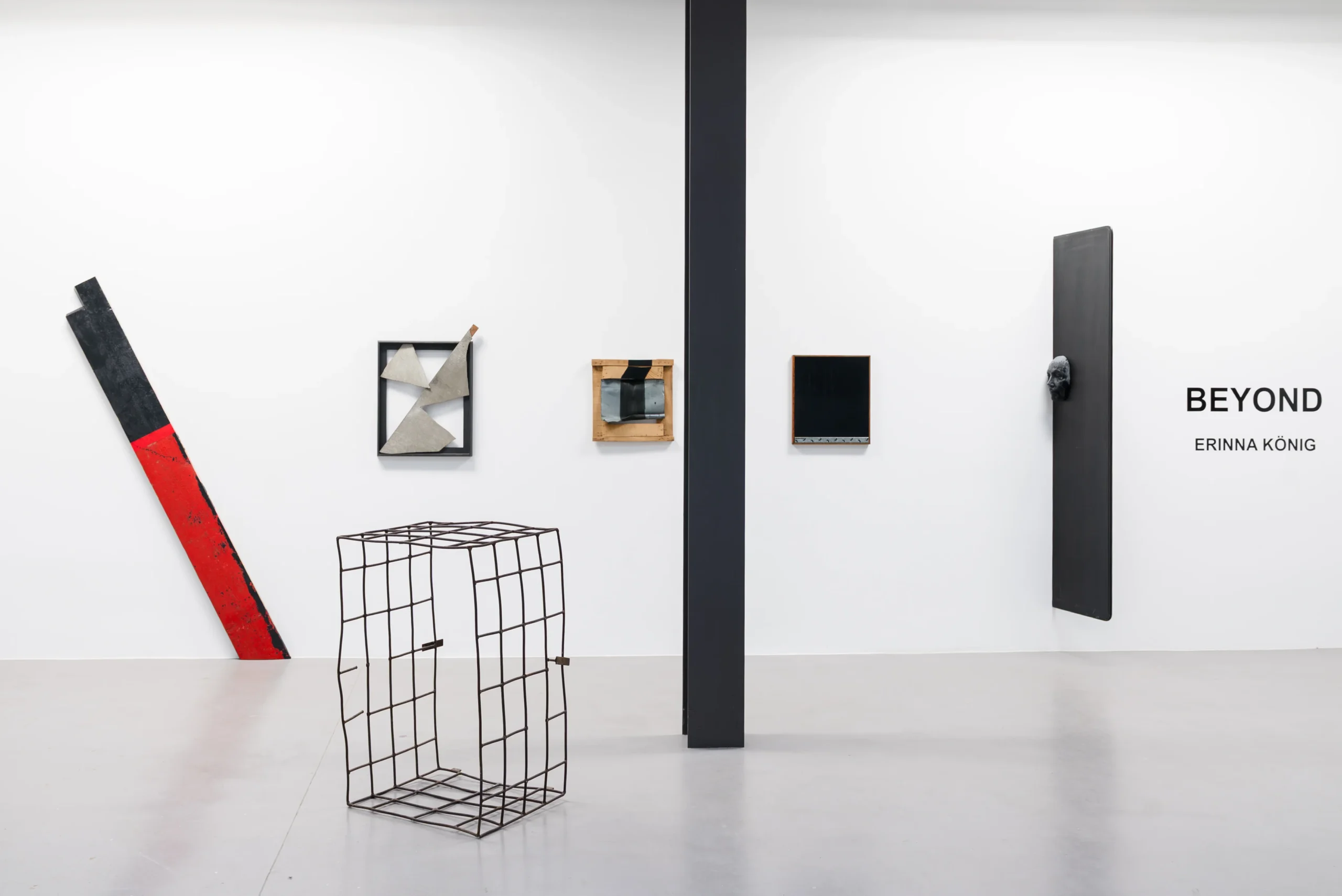
BEYOND, photo Jan Höhe
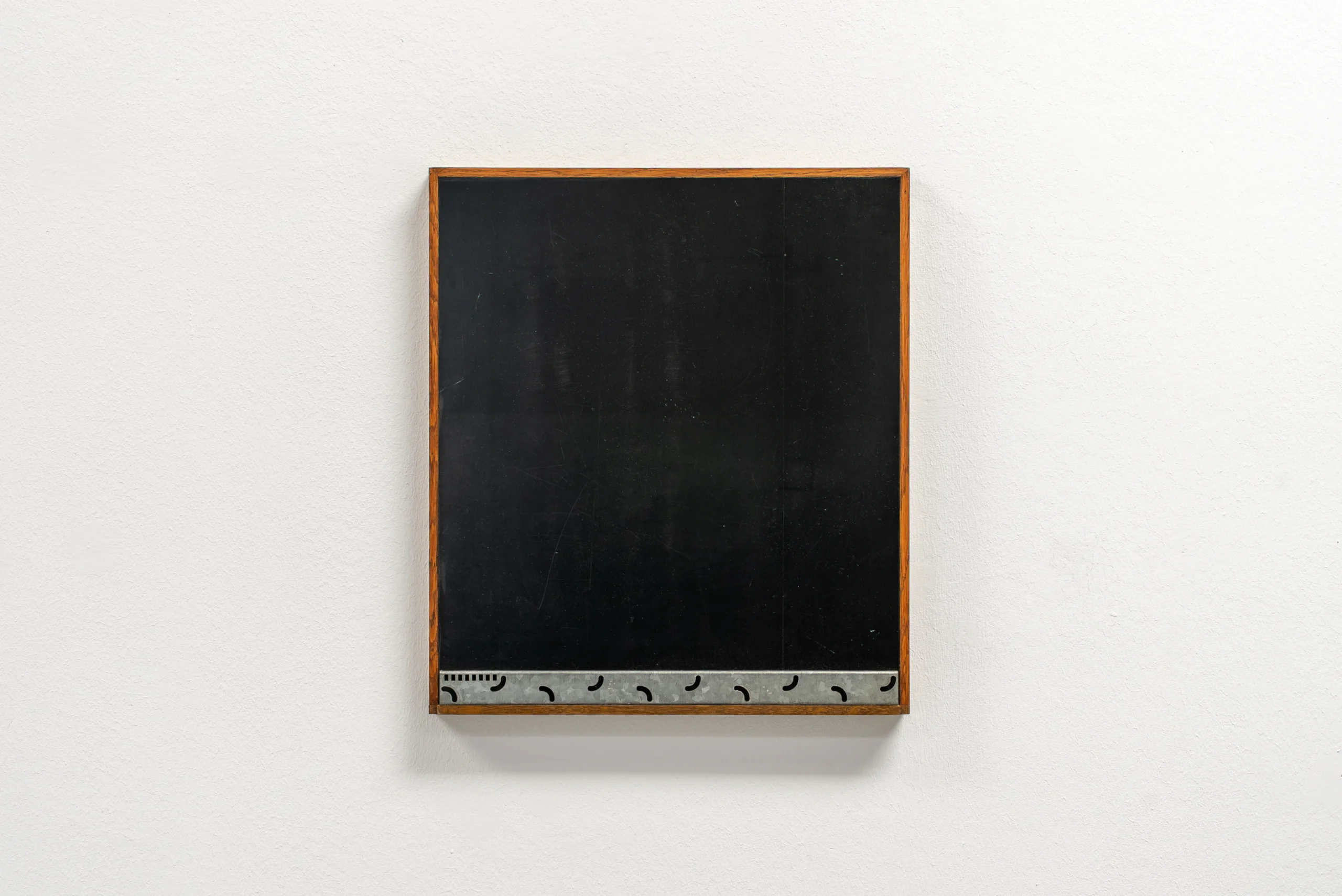
Untitled (black picture with metal strip, 1982
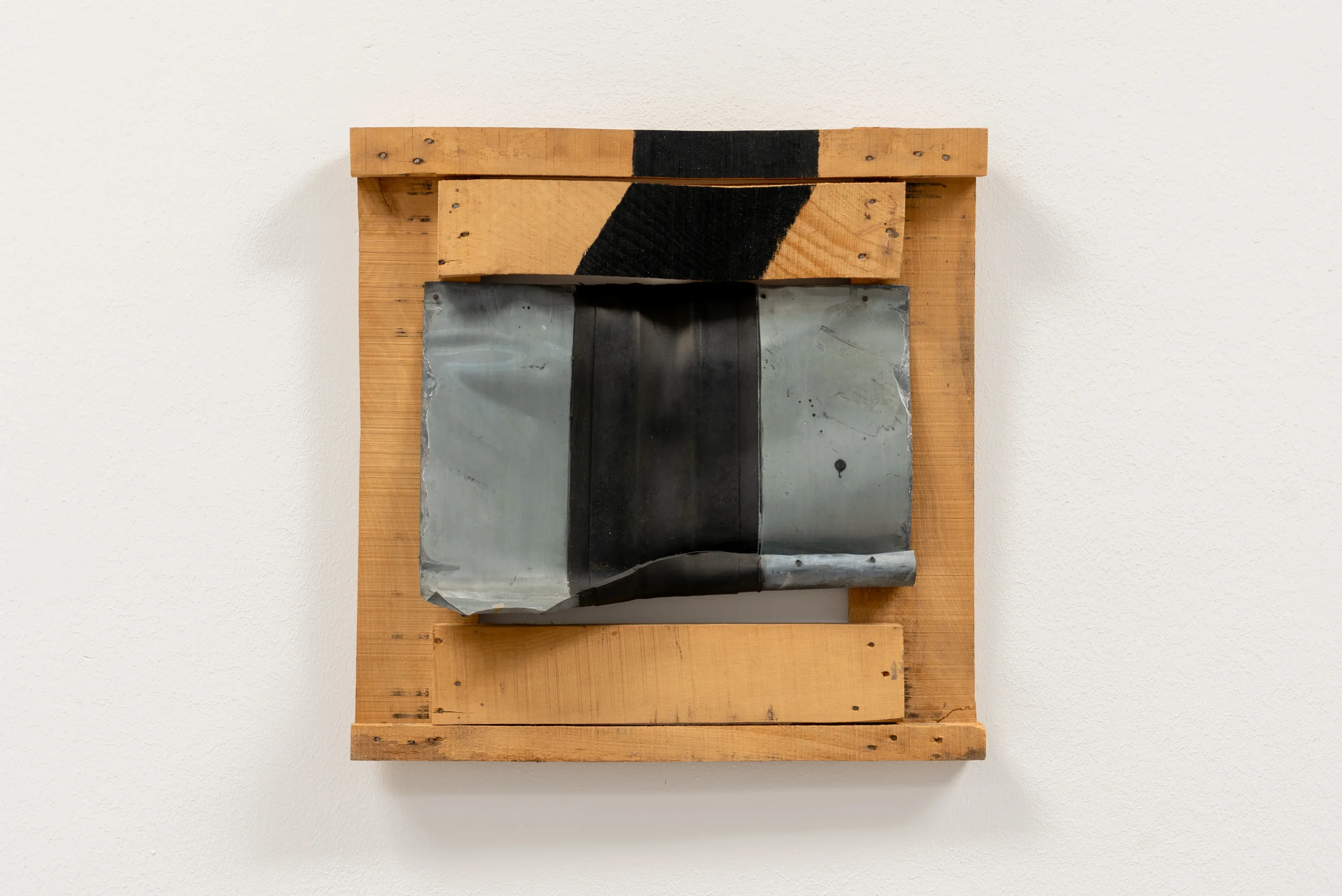
Image Disturbance, 1983
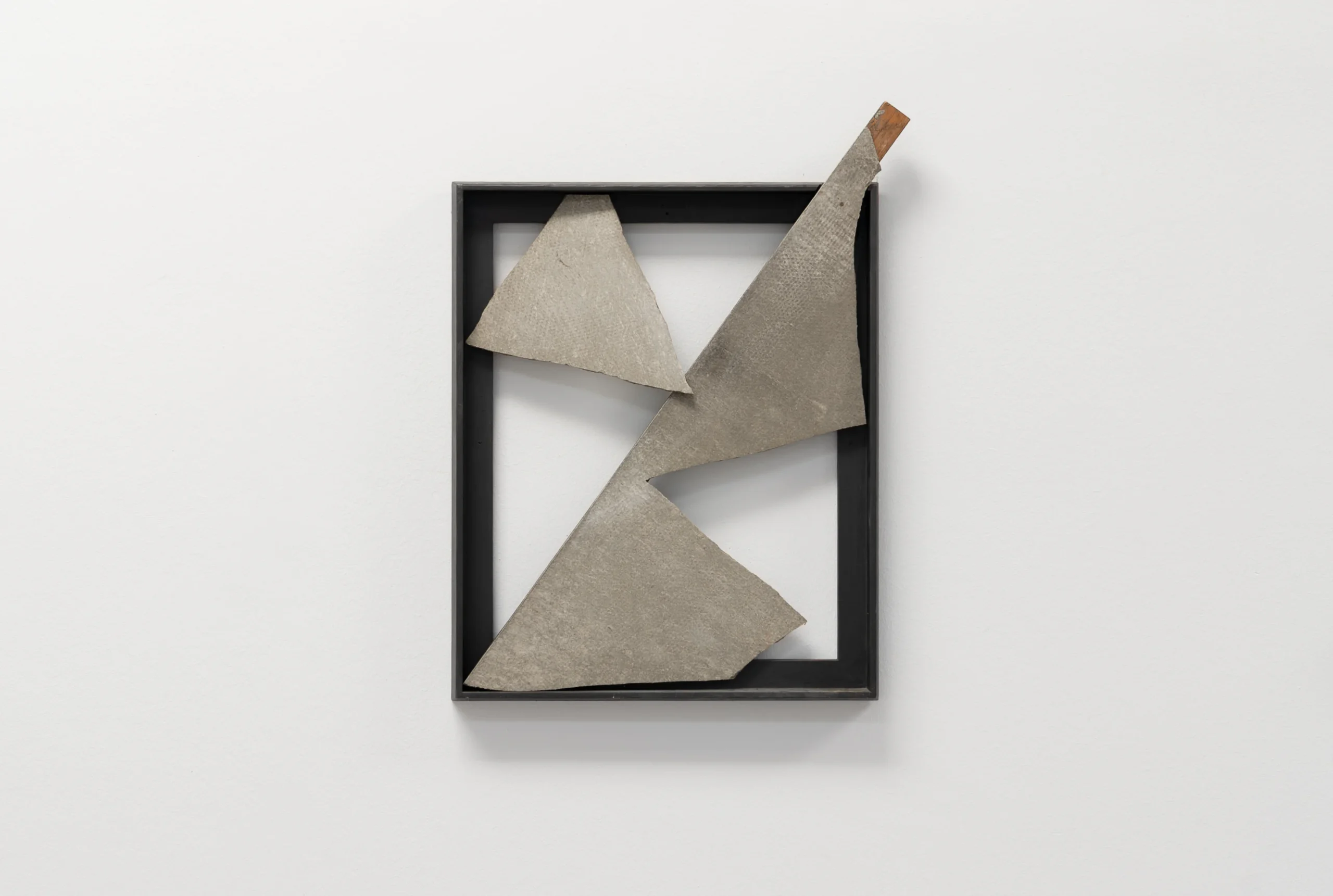
Triangle Picture, 1983, photo Jan Höhe
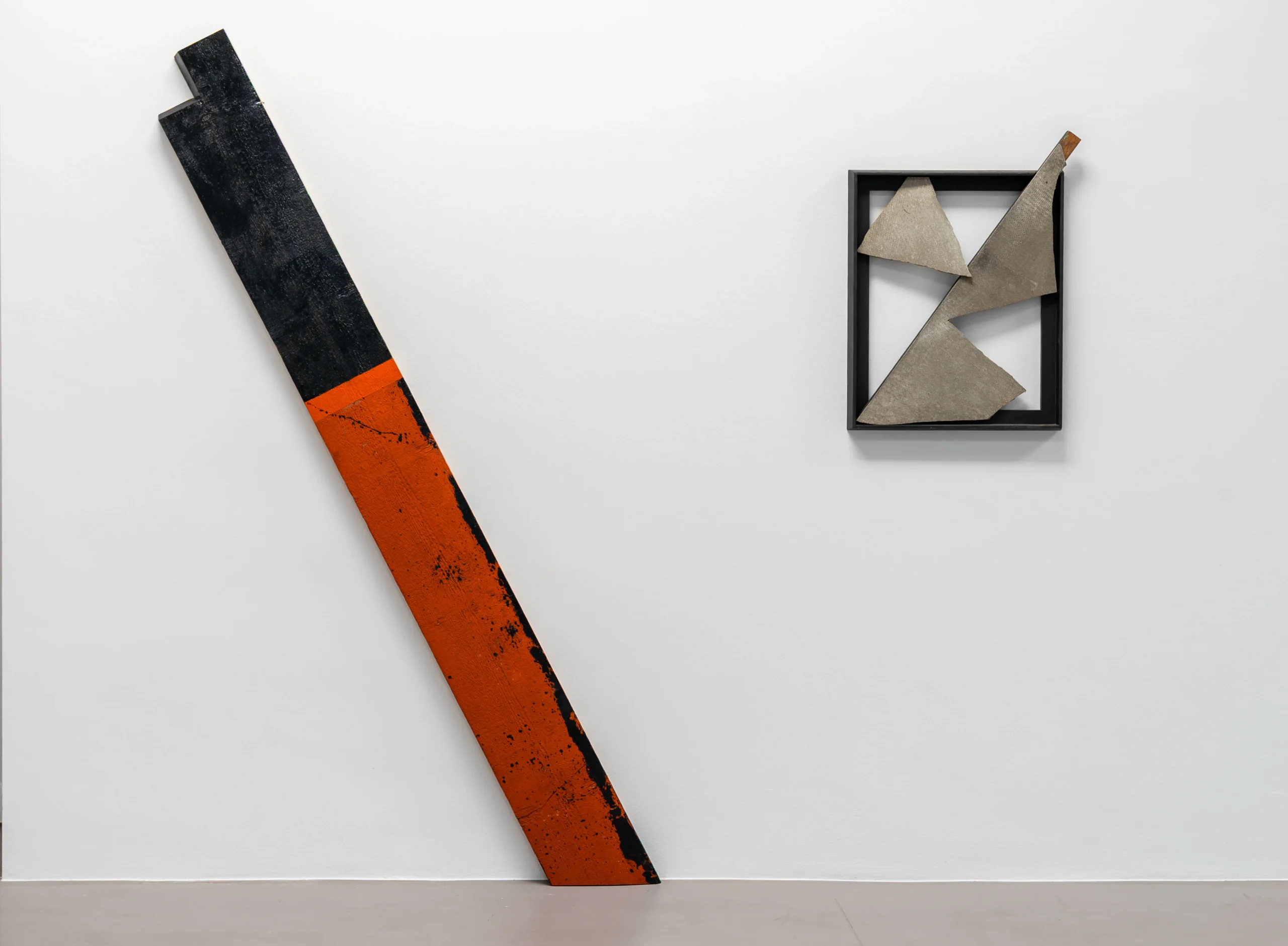
Diagonal and Halved, 1981, Triangle Picture 1983, photo Jan Höhe
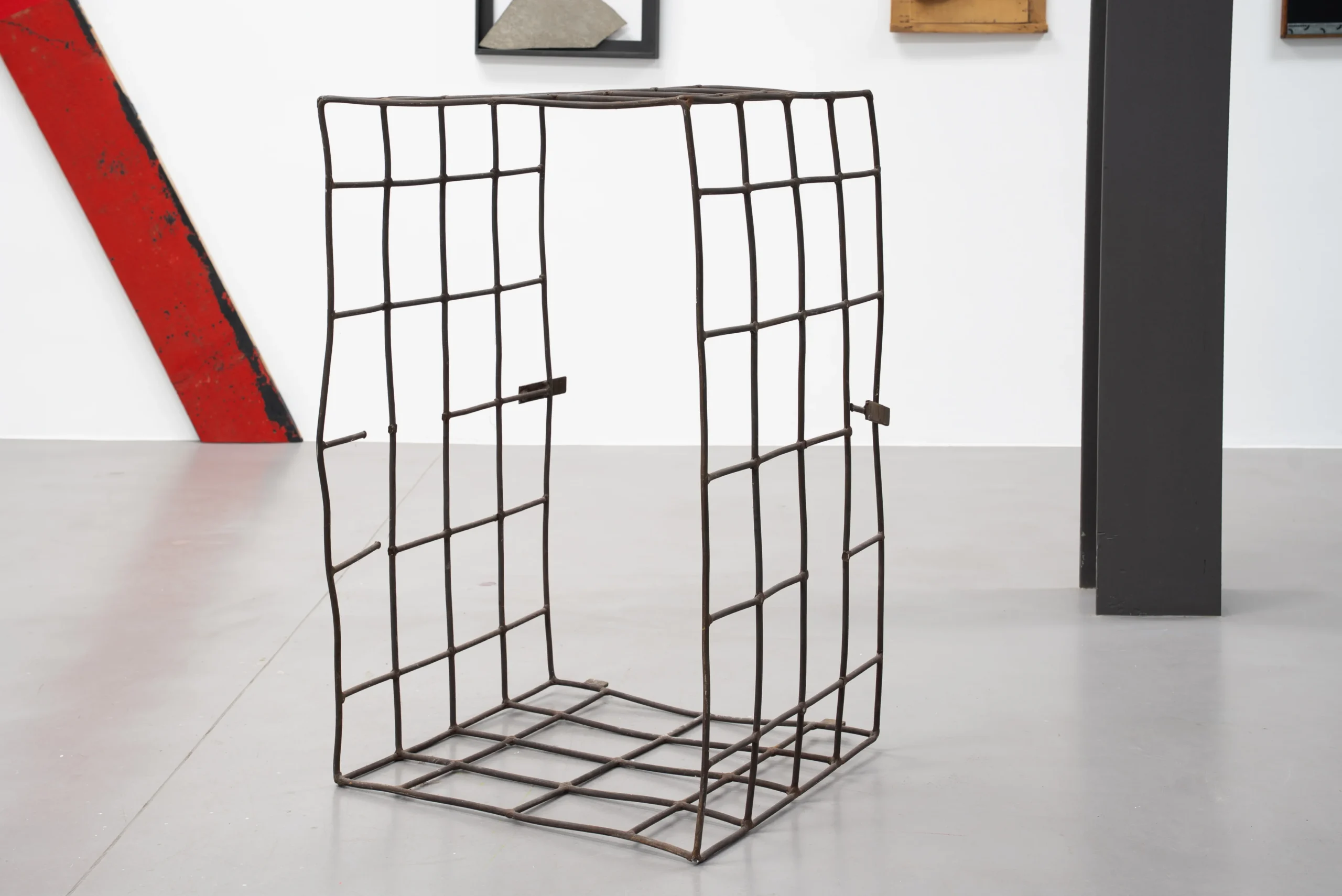
Untitled, 1989, photo Jan Höhe
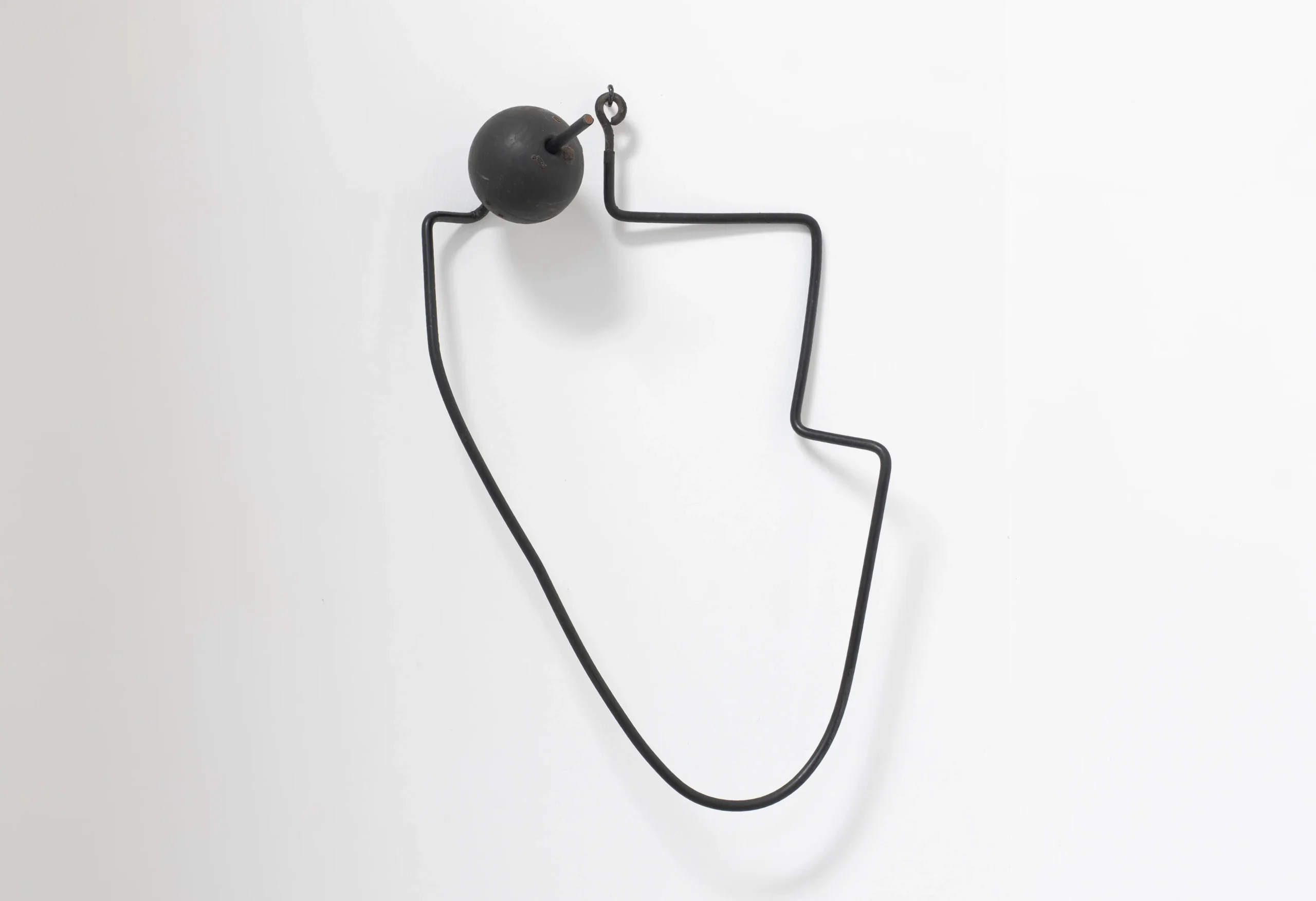
Untitled (sphere), 1990, photo Jan Höhe
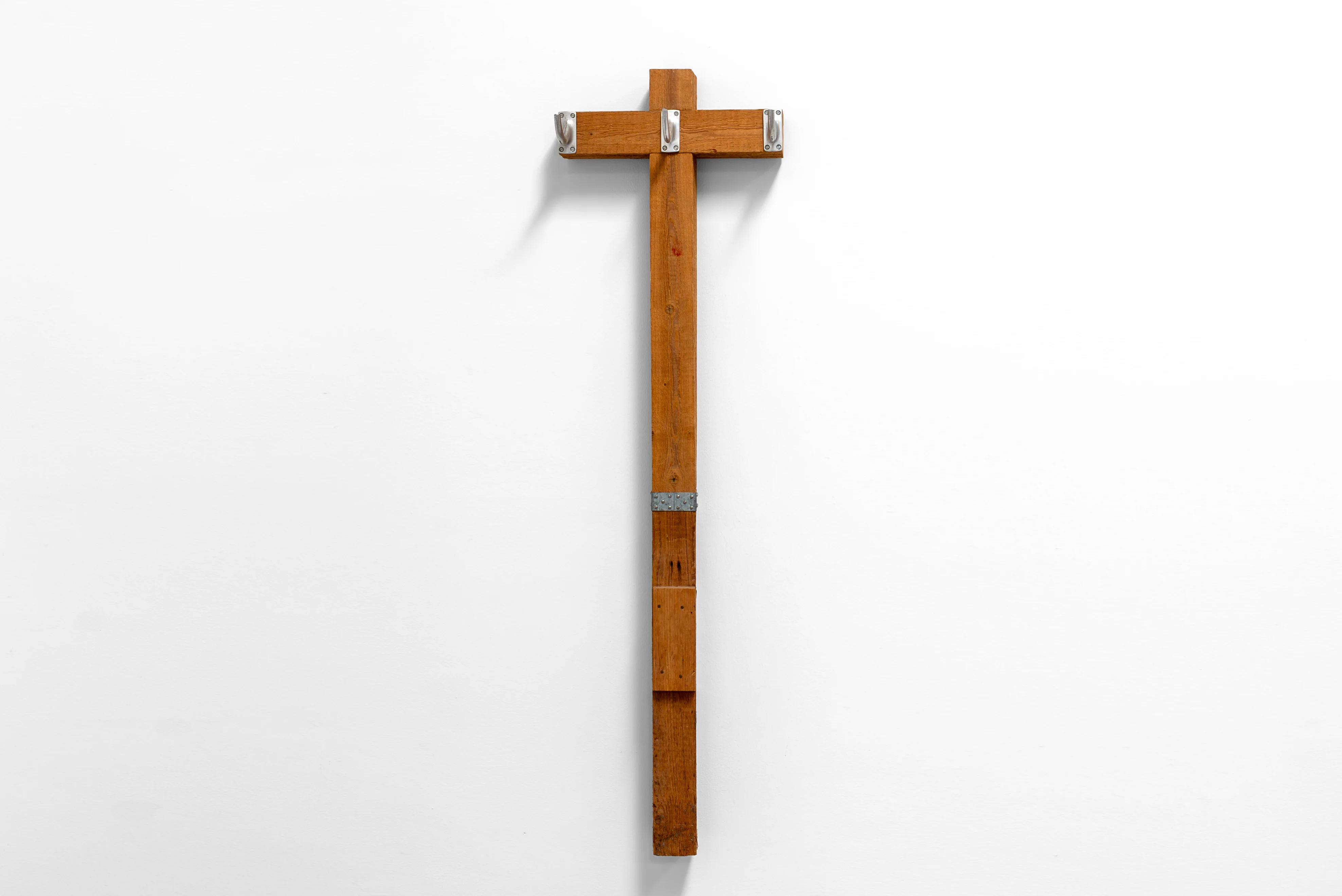
Untitled (cross), 1984, photo Jan Höhe
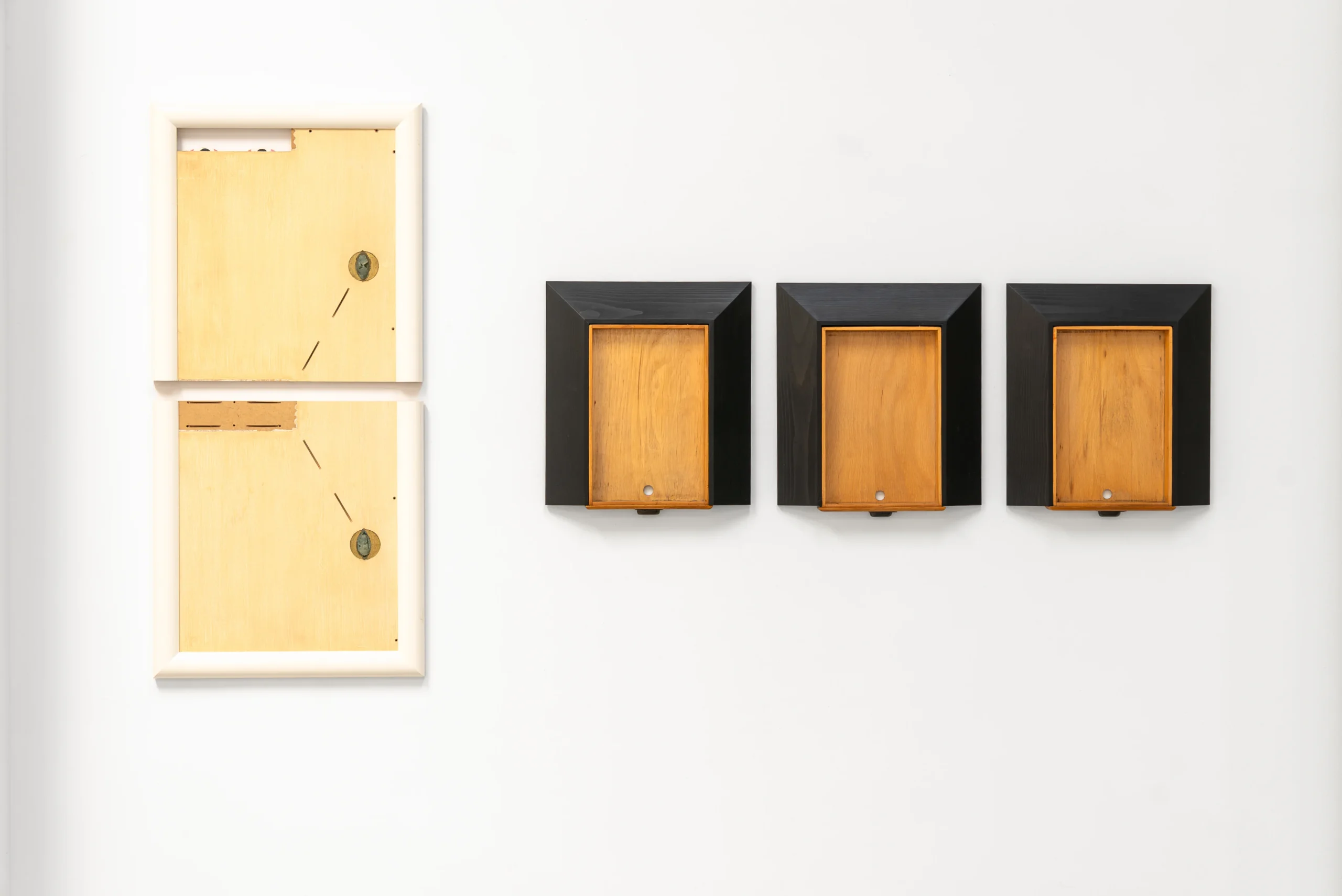
Sleepless, 1998, white/yellow/red gold, 1990, photo Jan Höhe
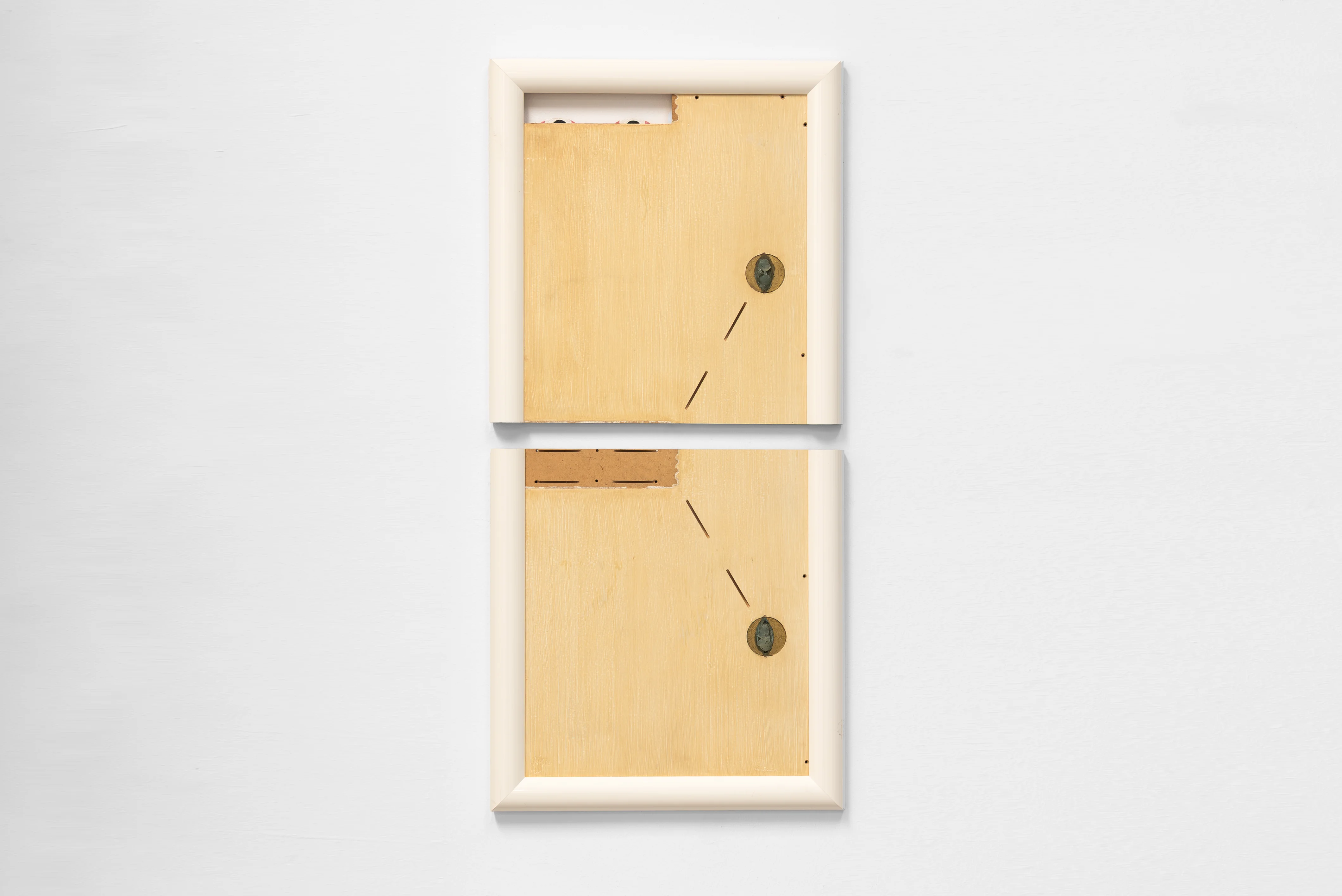
Sleepless, 1998, photo Jan Höhe
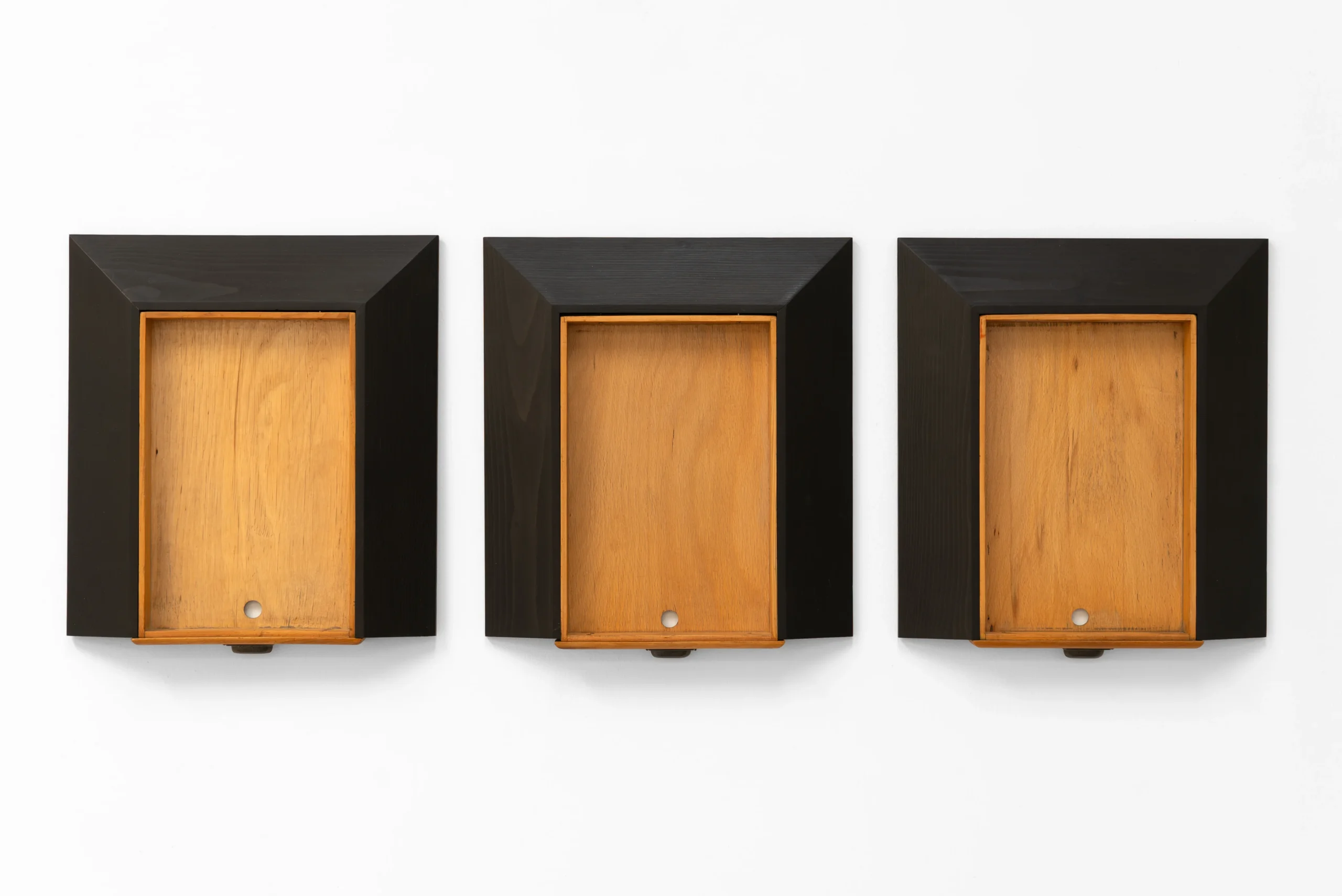
white/yellow/red gold, 1990, photo Jan Höhe
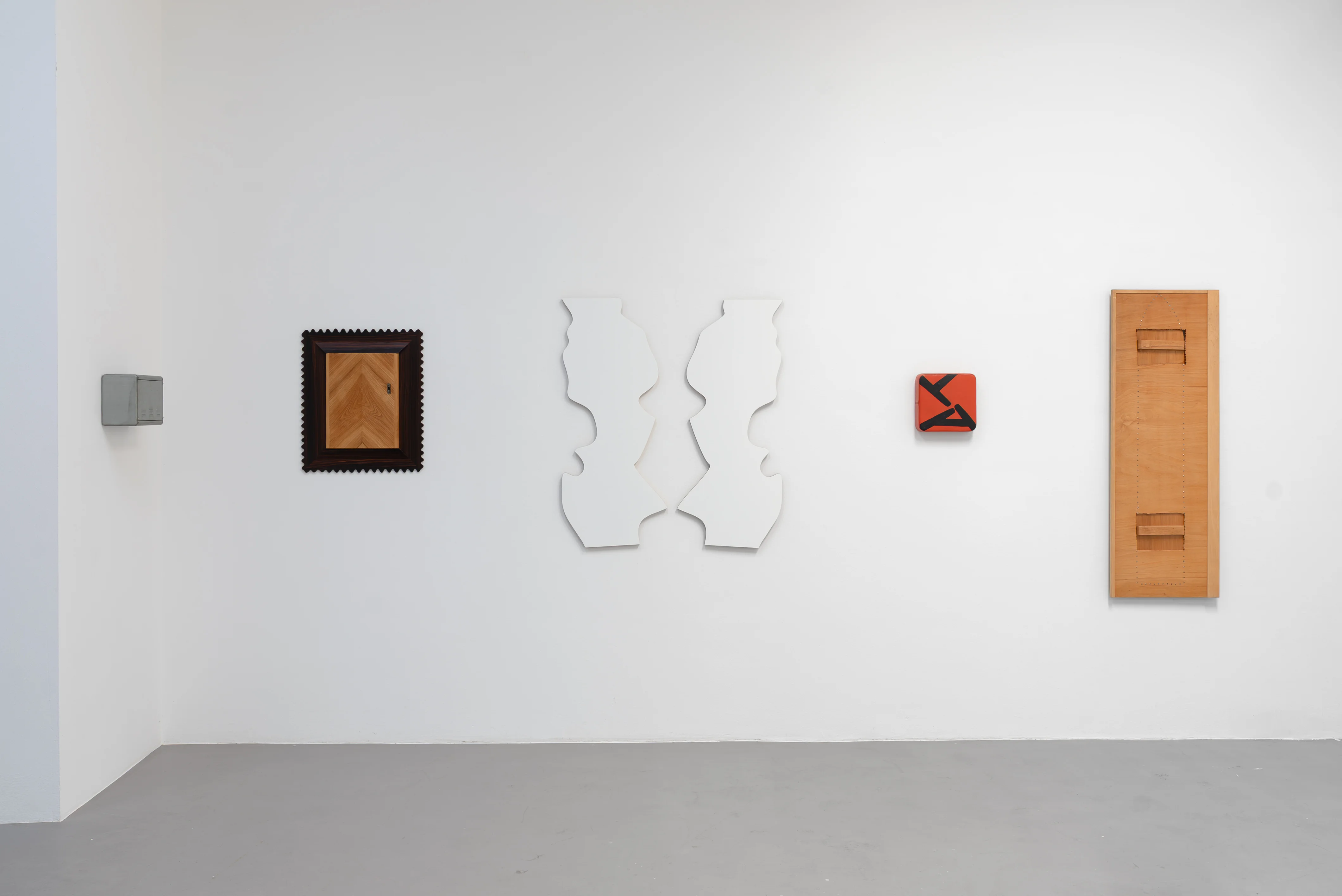
BEYOND, photo Jan Höhe
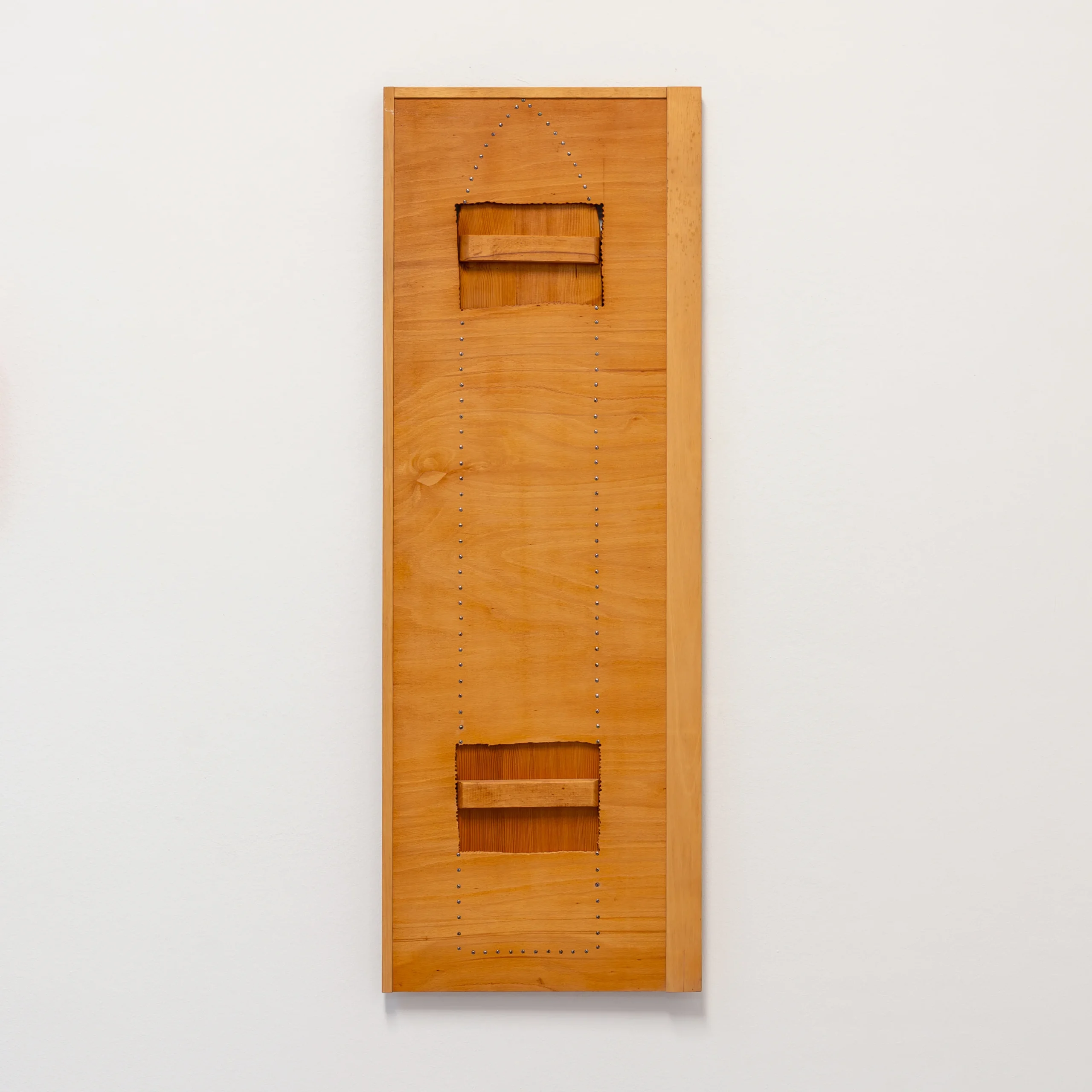
Ironing board, 1989, photo Jan Höhe
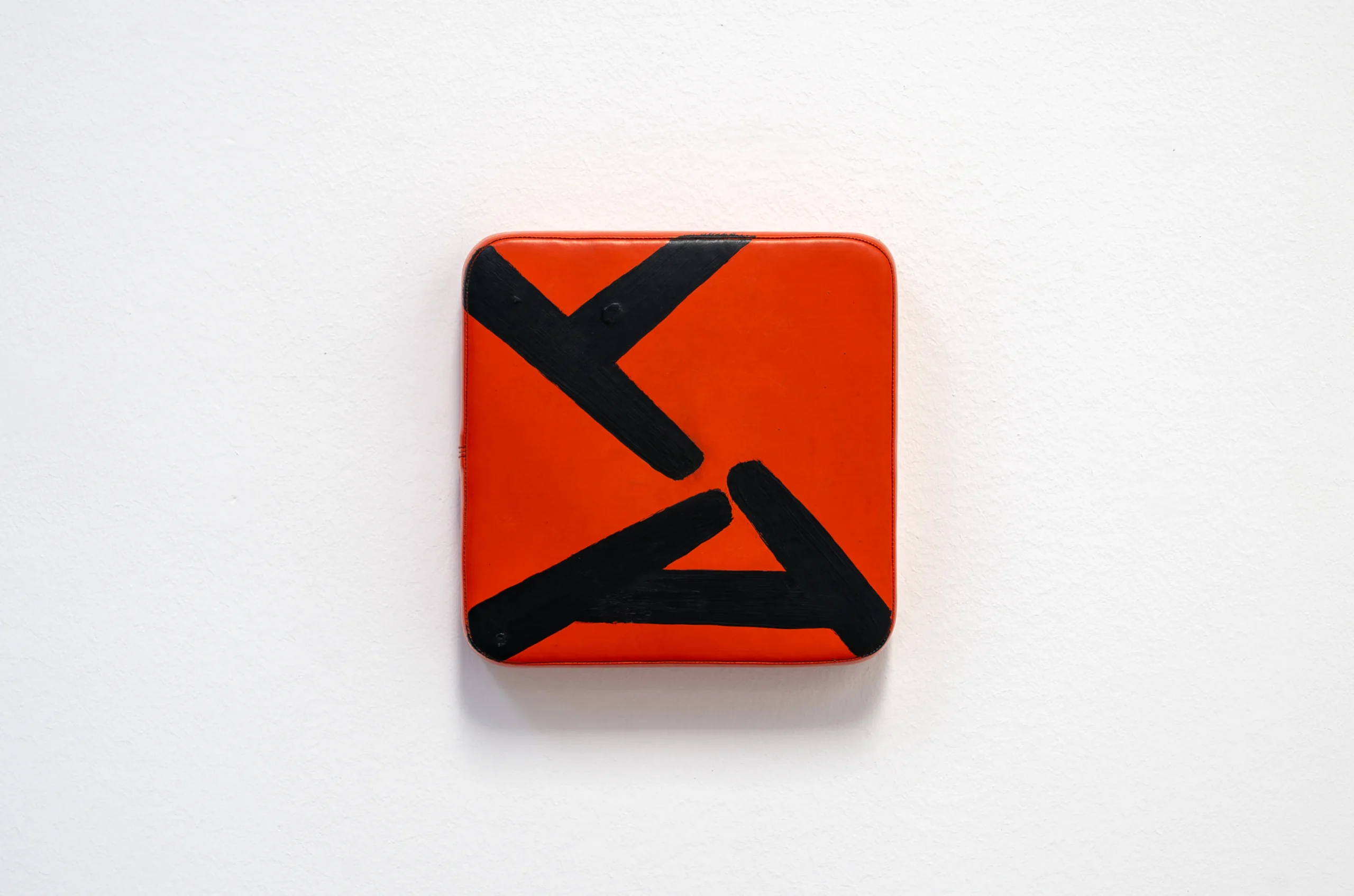
Broken Cher, 1984, photo Jan Höhe
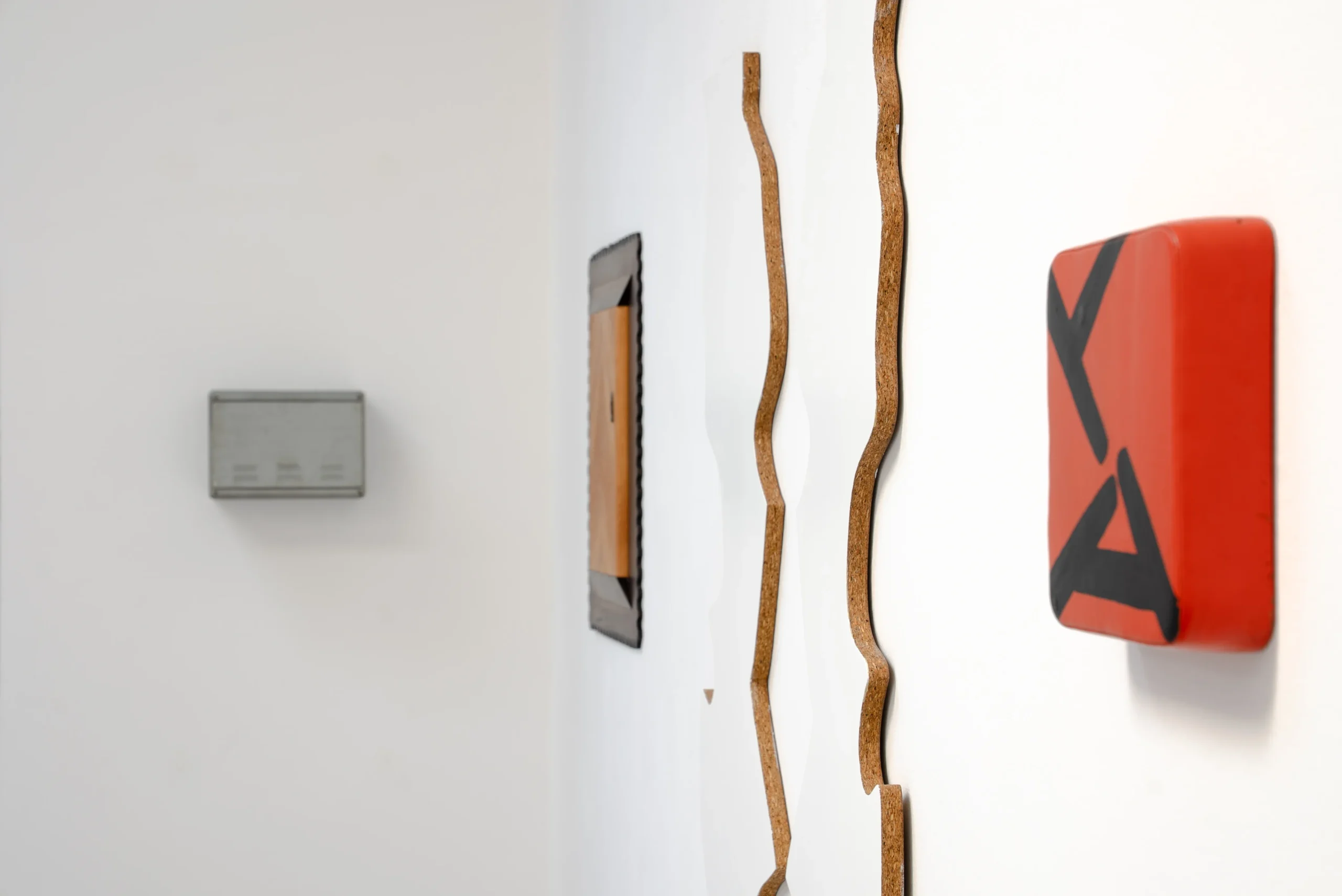
BEYOND, photo Jan Höhe
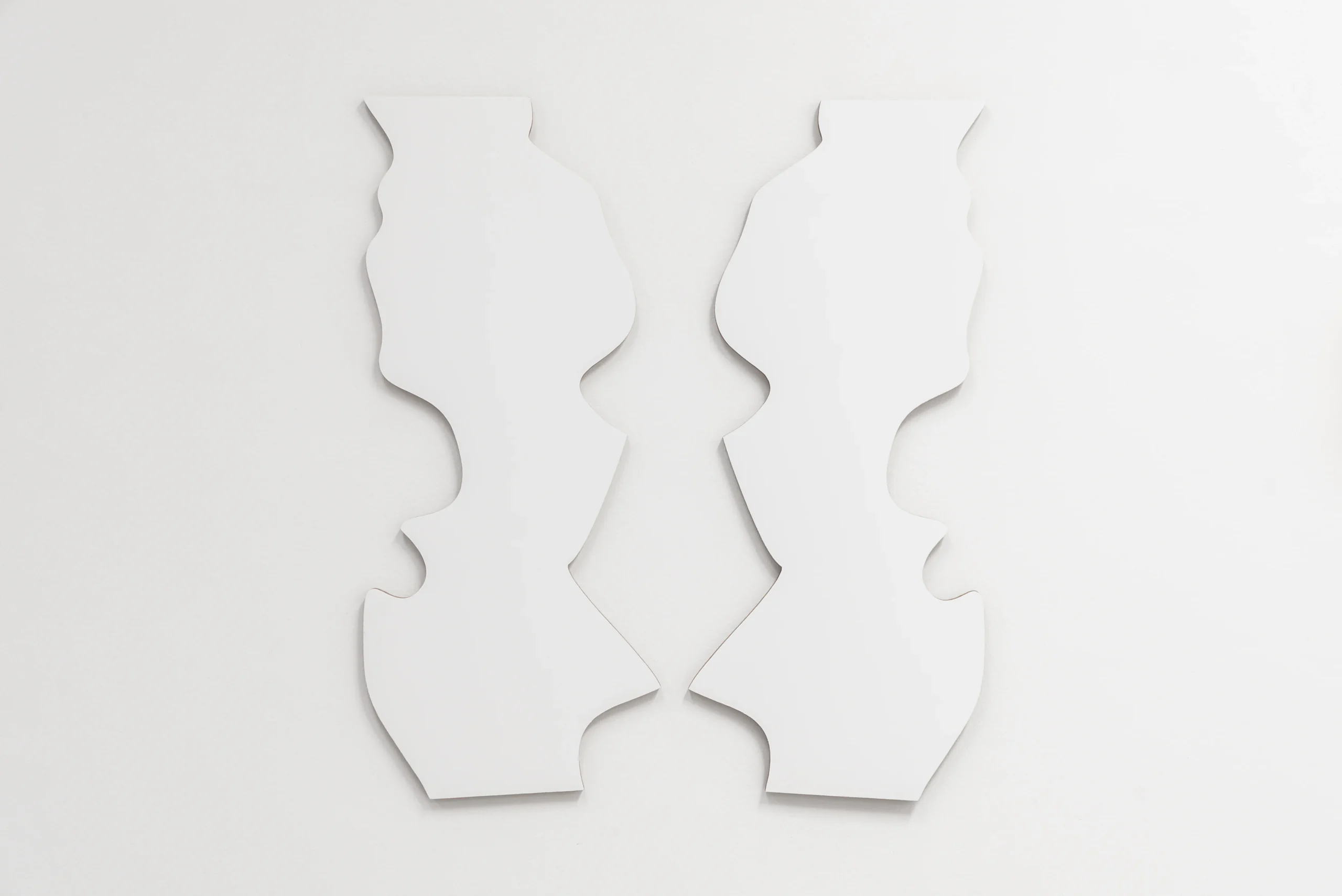
Profil Perdu, 2019, photo Jan Höhe
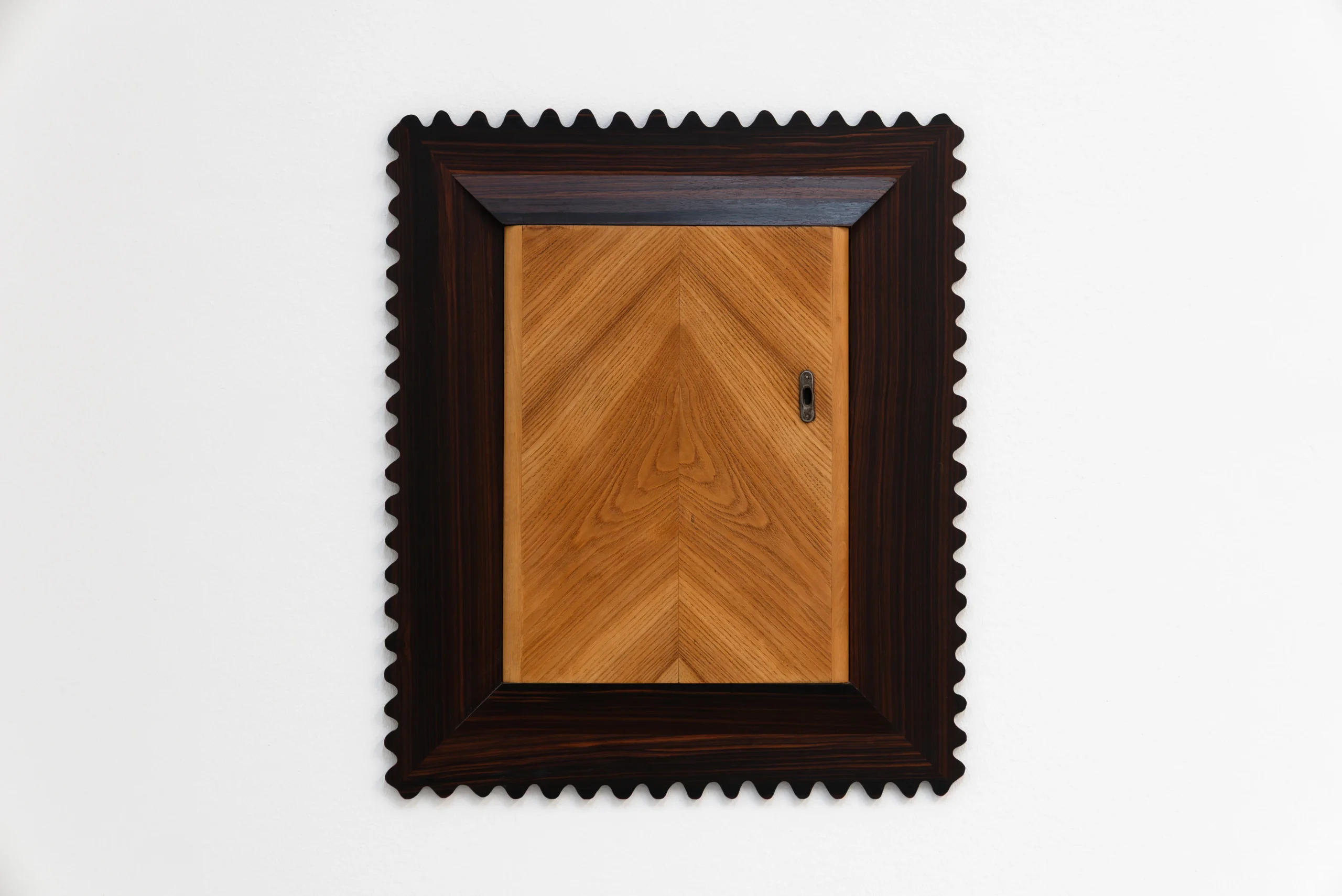
Postage Stamp, 1992, photo Jan Höhe
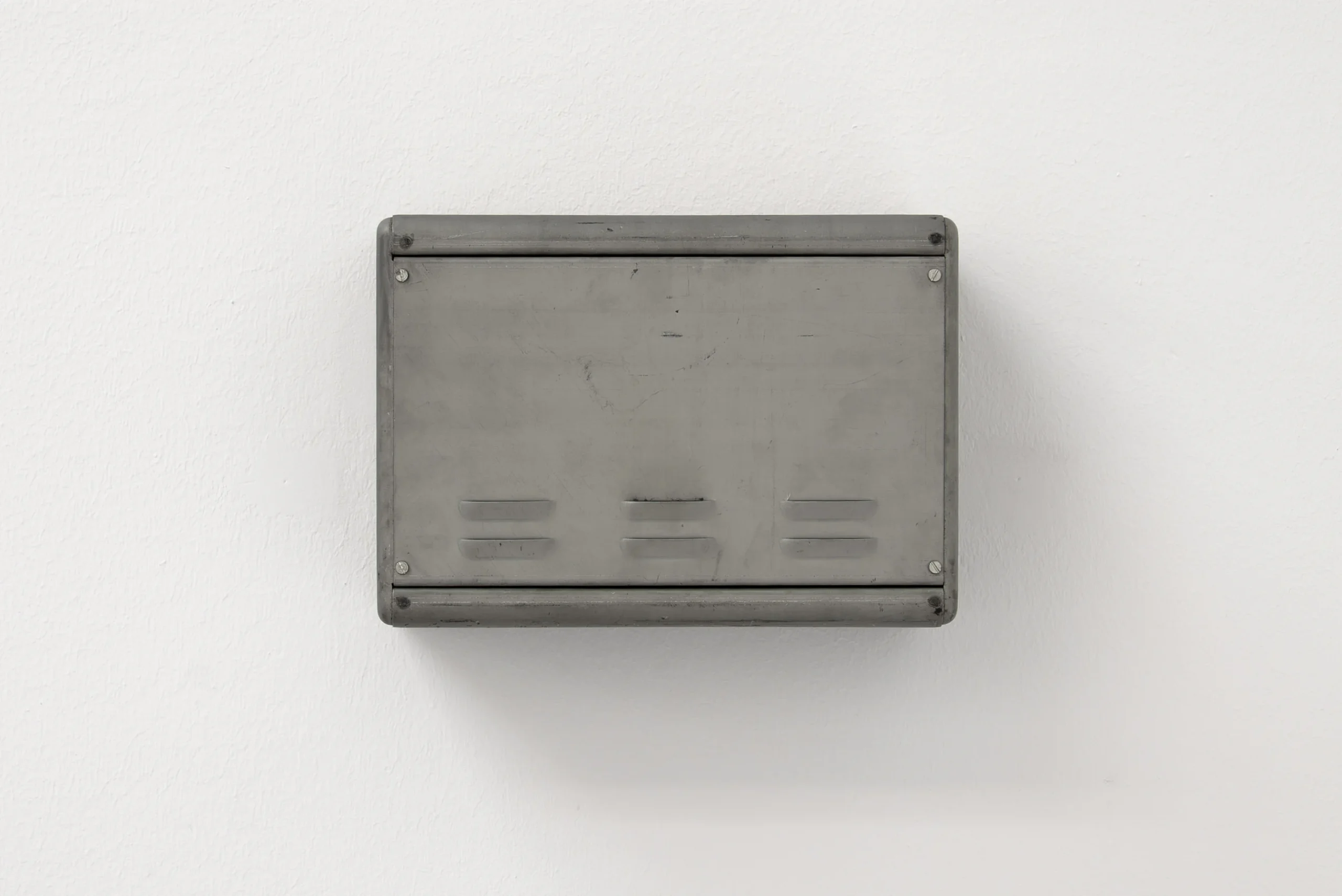
Production part, 1989, photo Jan Höhe
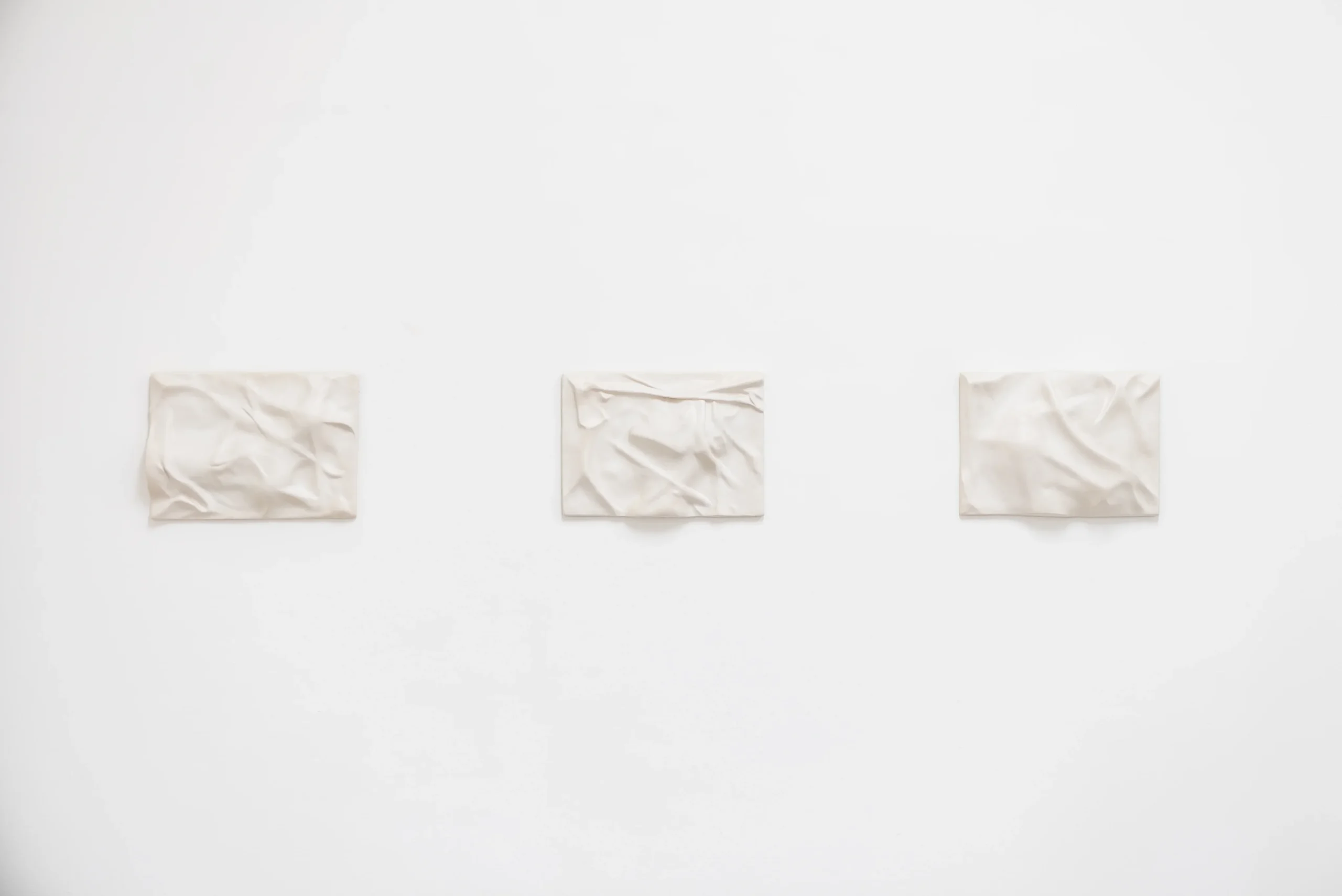
Untitled, (Relief, white) 7,5,6, 2019, photo Jan Höhe
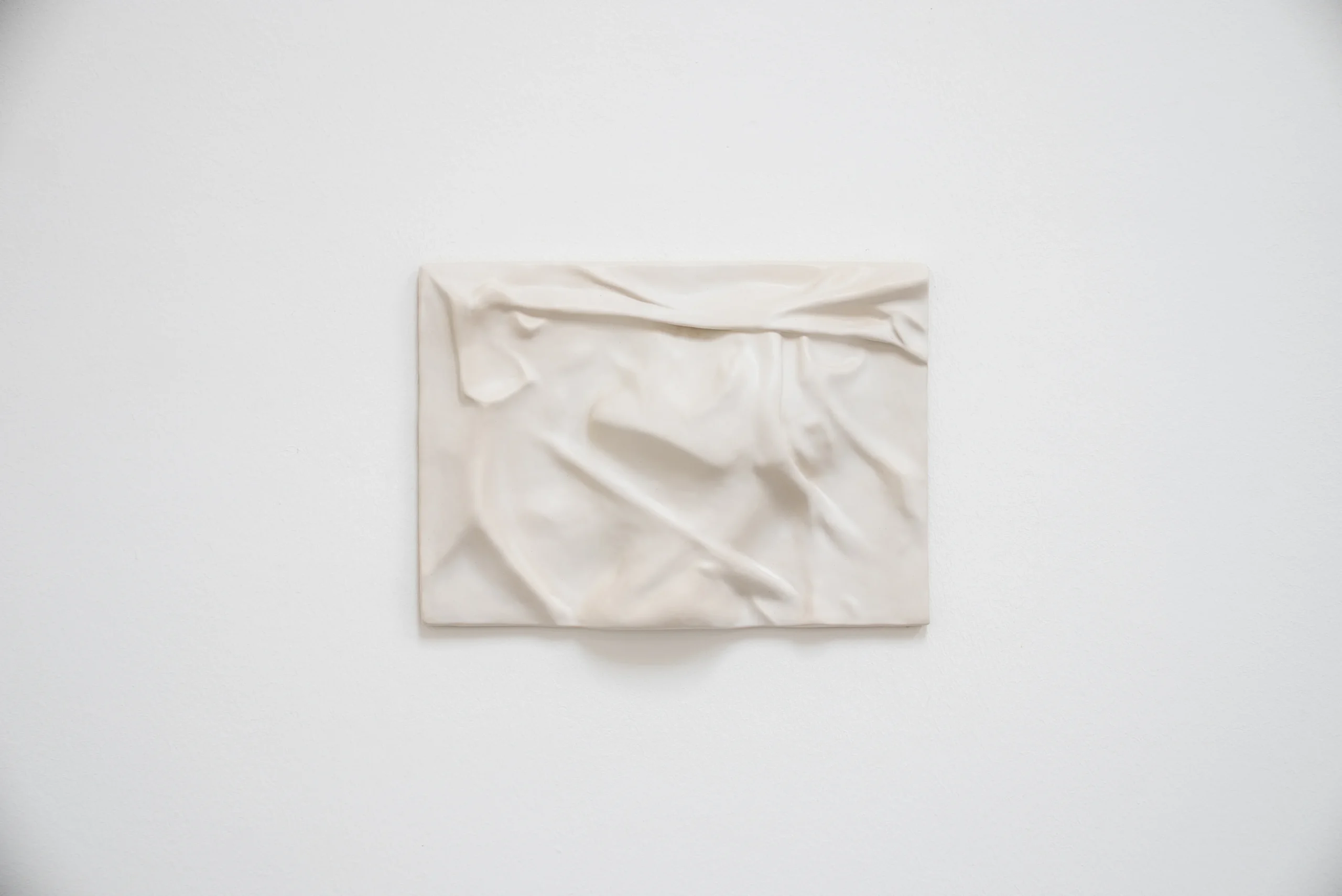
Untitled, (Relief, white) 5, 2019, photo Jan Höhe
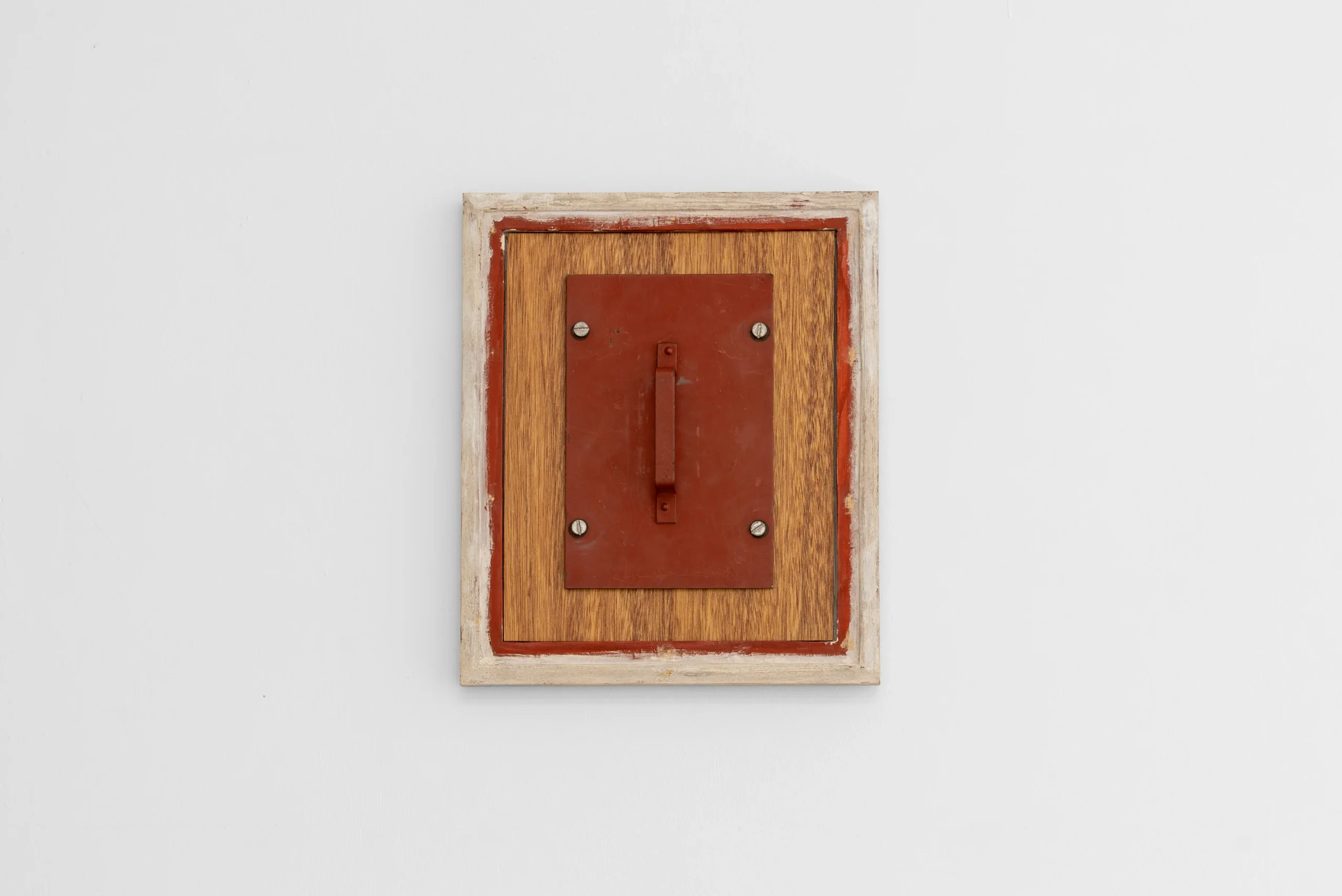
Production part 3, 1989, photo Jan Höhe
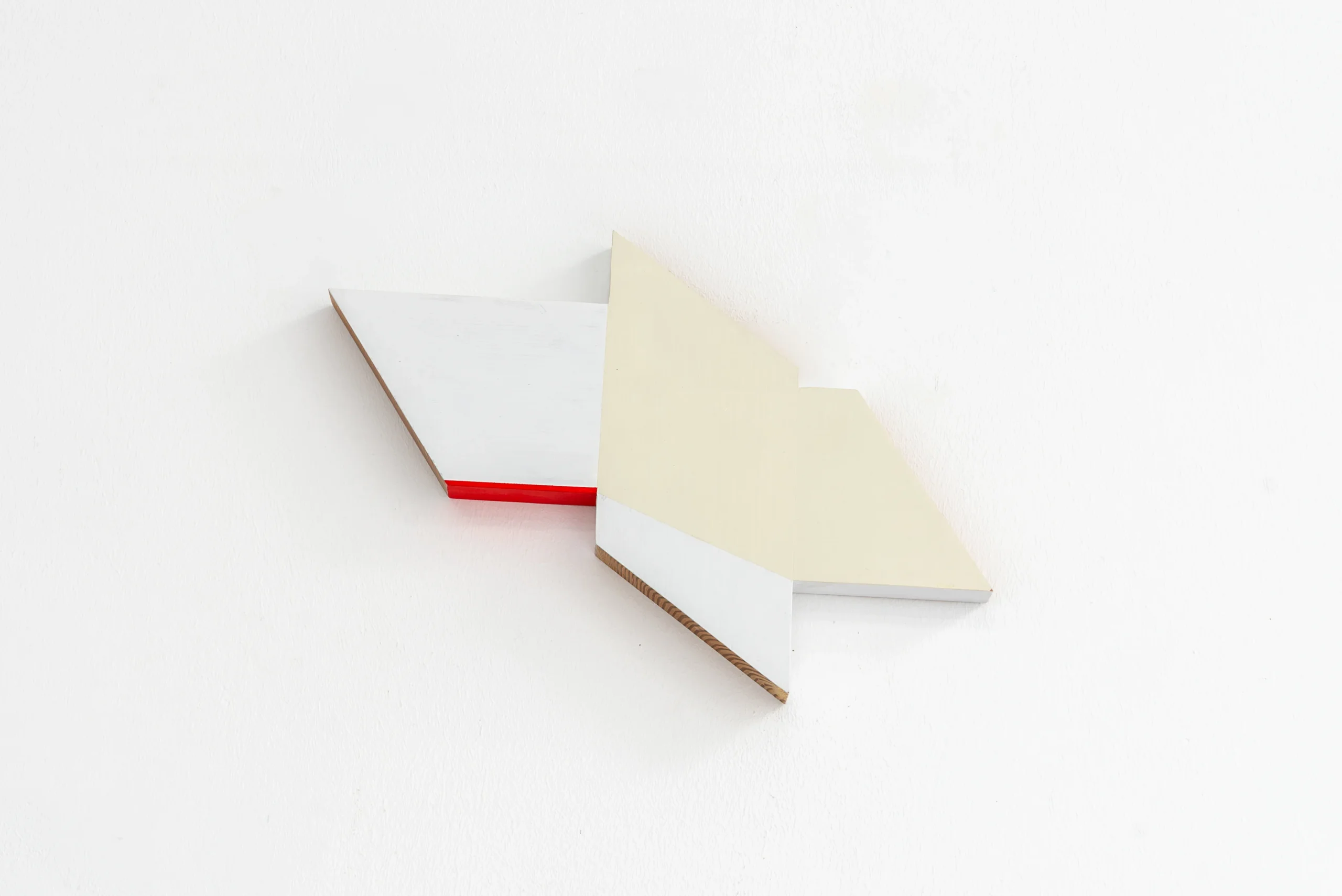
Signpost,2017, photo Jan Höhe
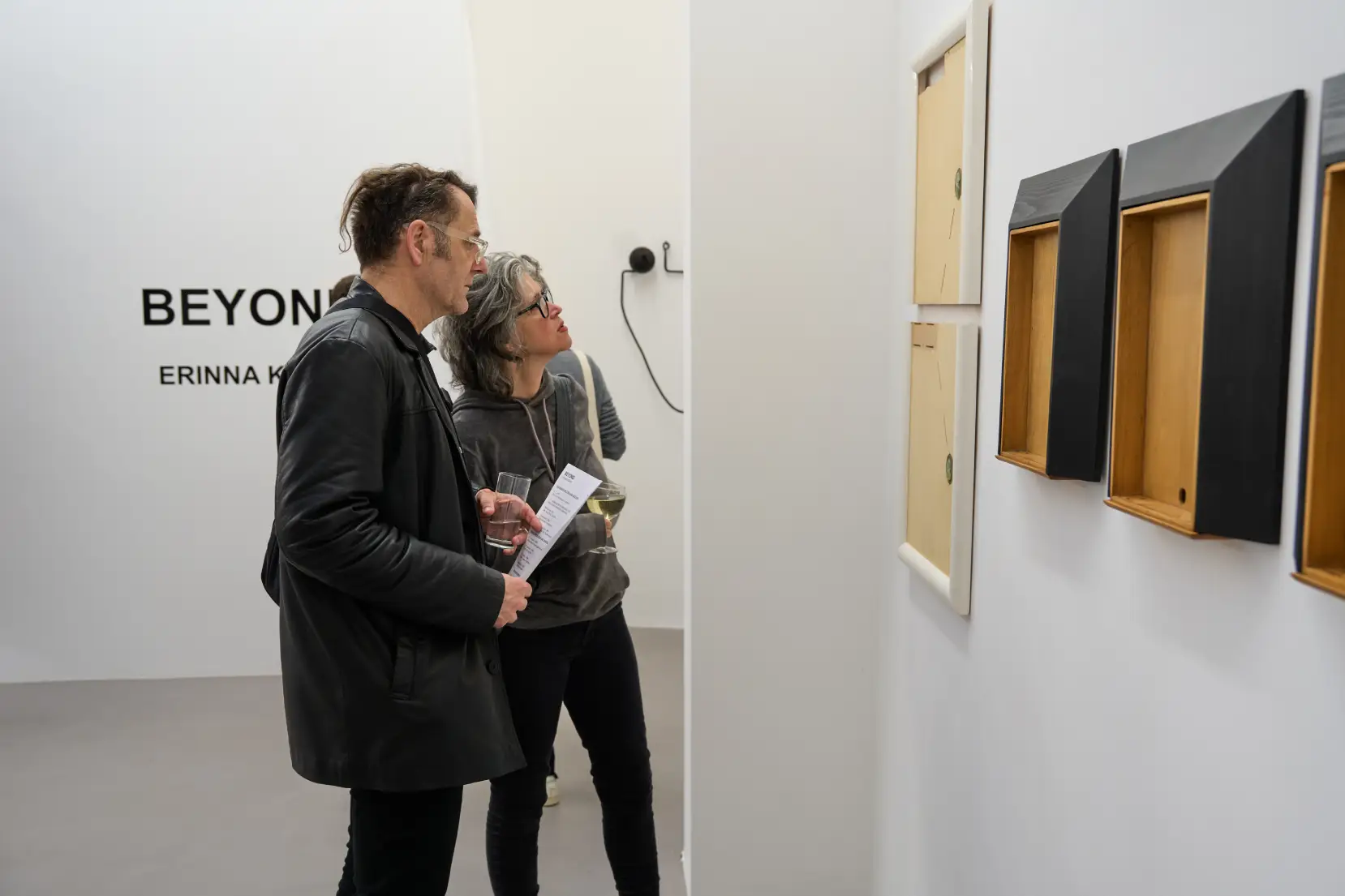
Opening BEYOND photo Mark Zahorszky
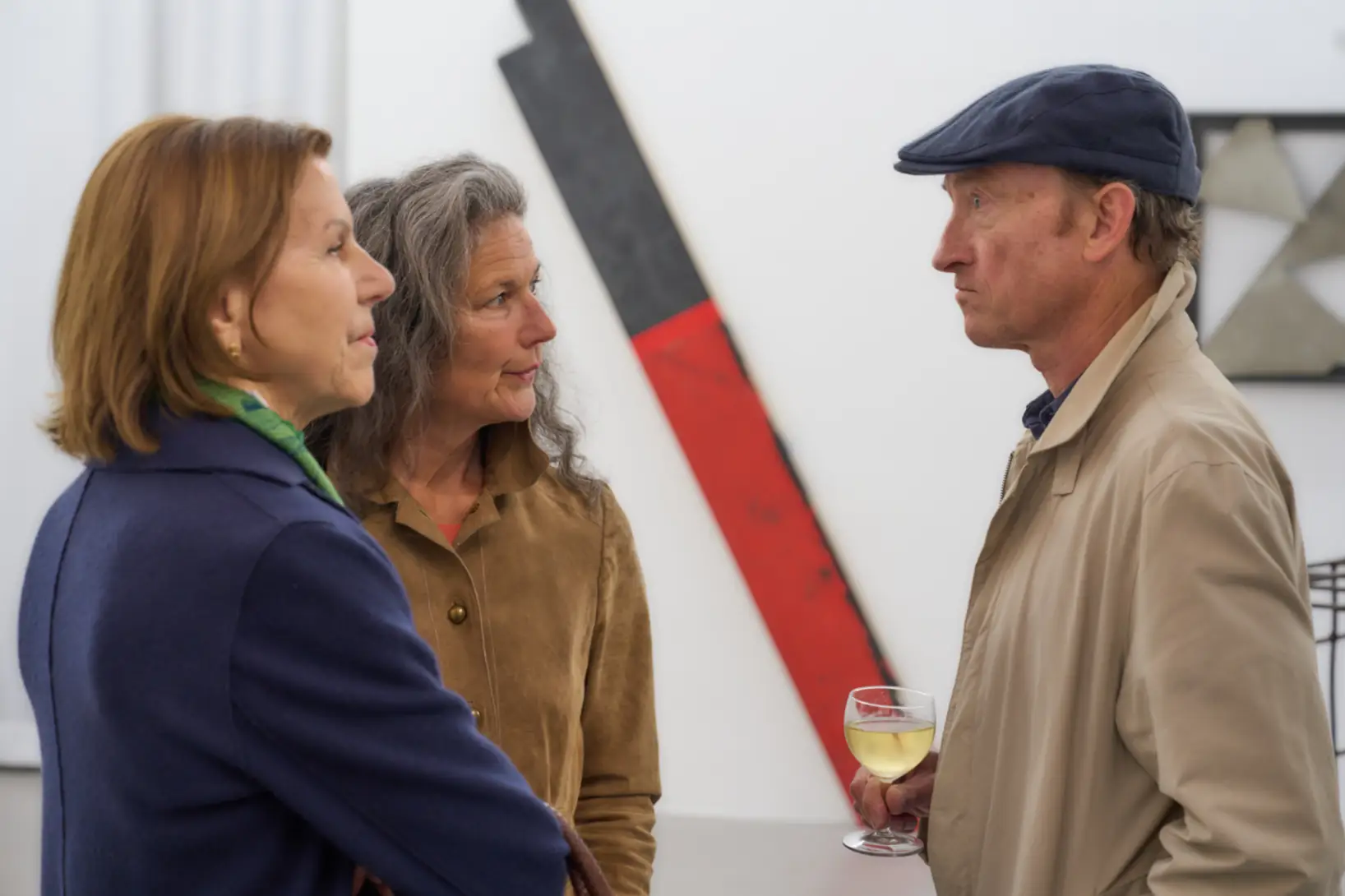
Opening BEYOND photo Mark Zahorszky
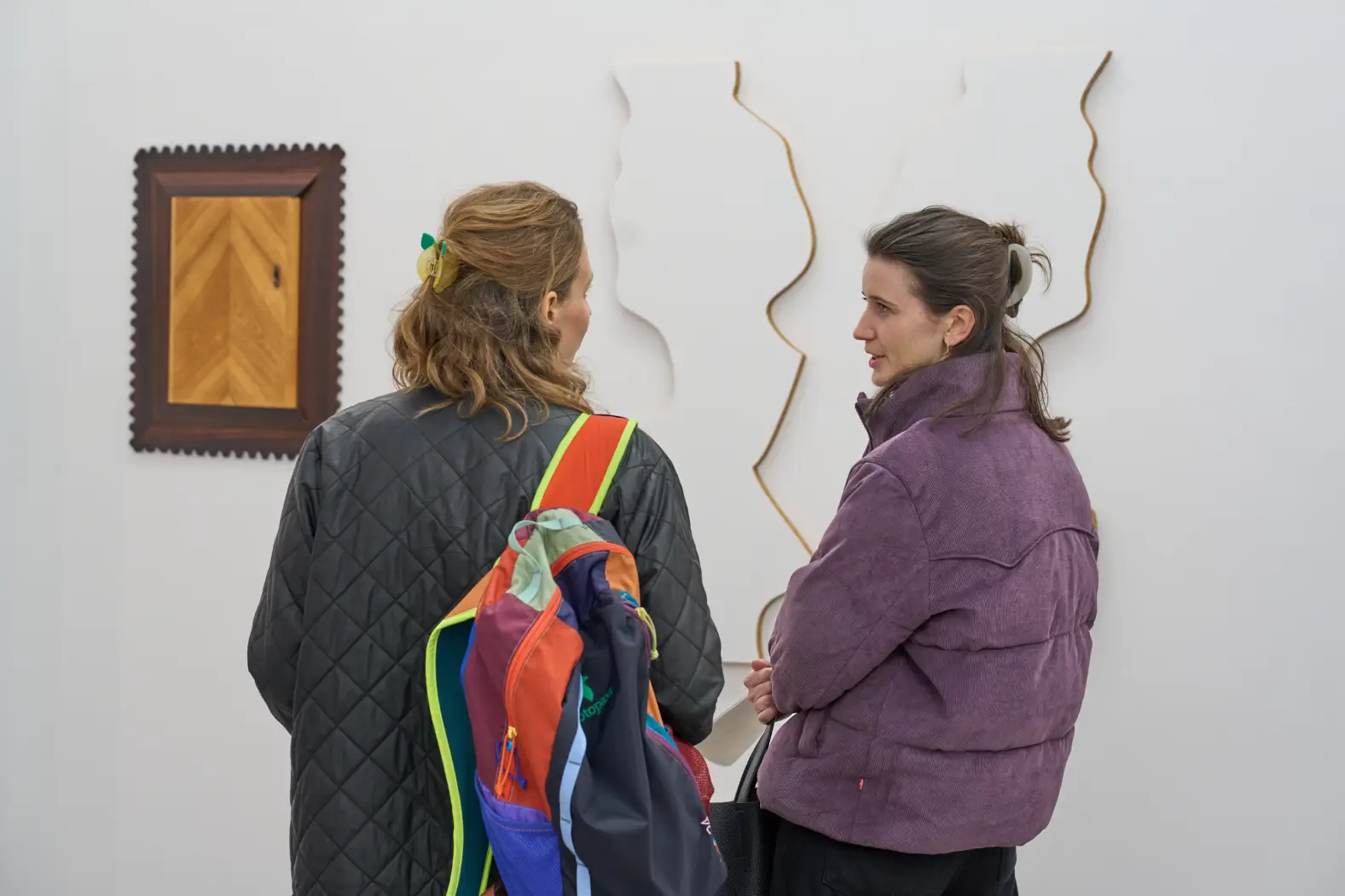
Opening BEYOND photo Mark Zahorszky
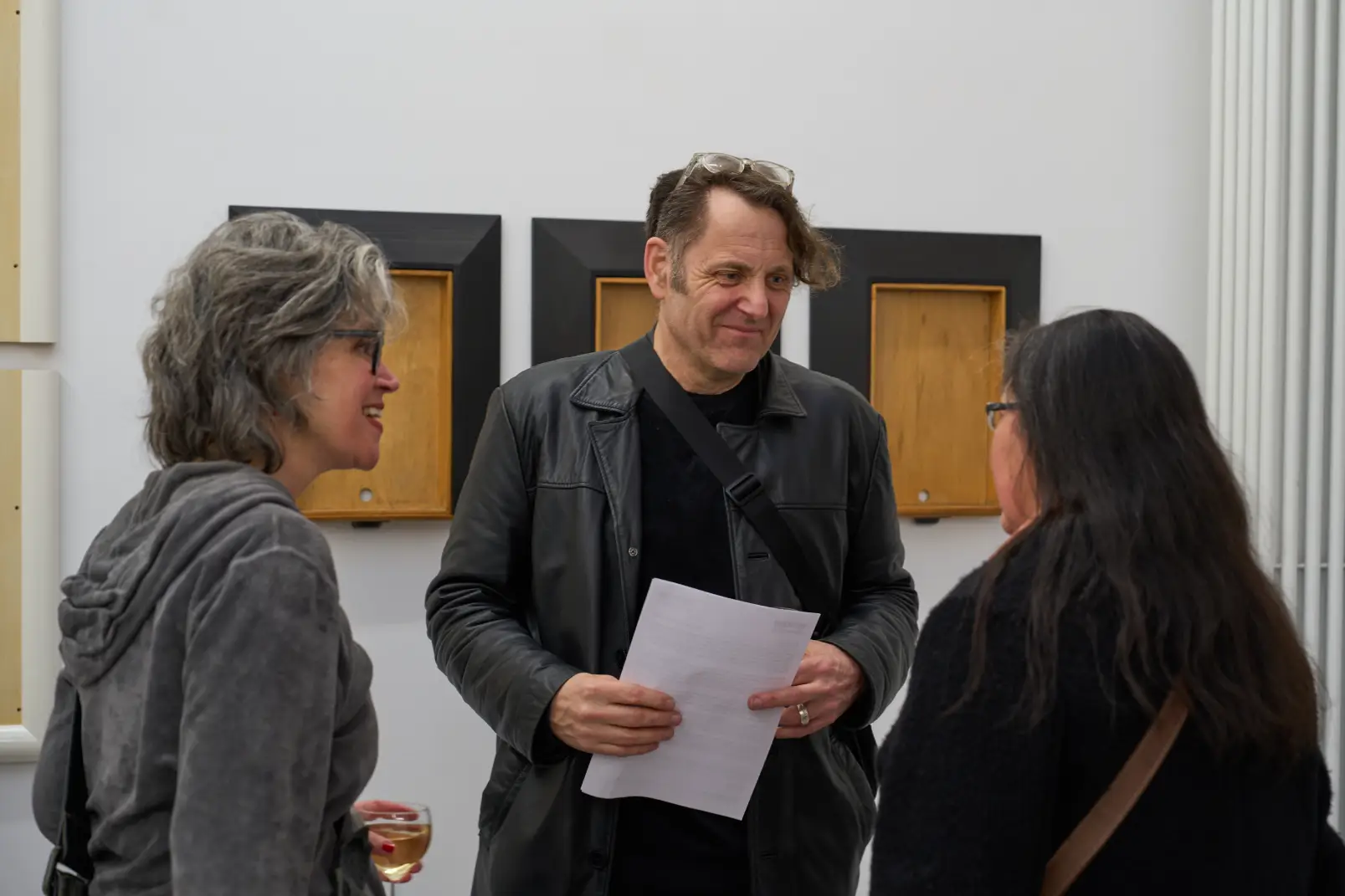
Opening BEYOND photo Mark Zahorszky
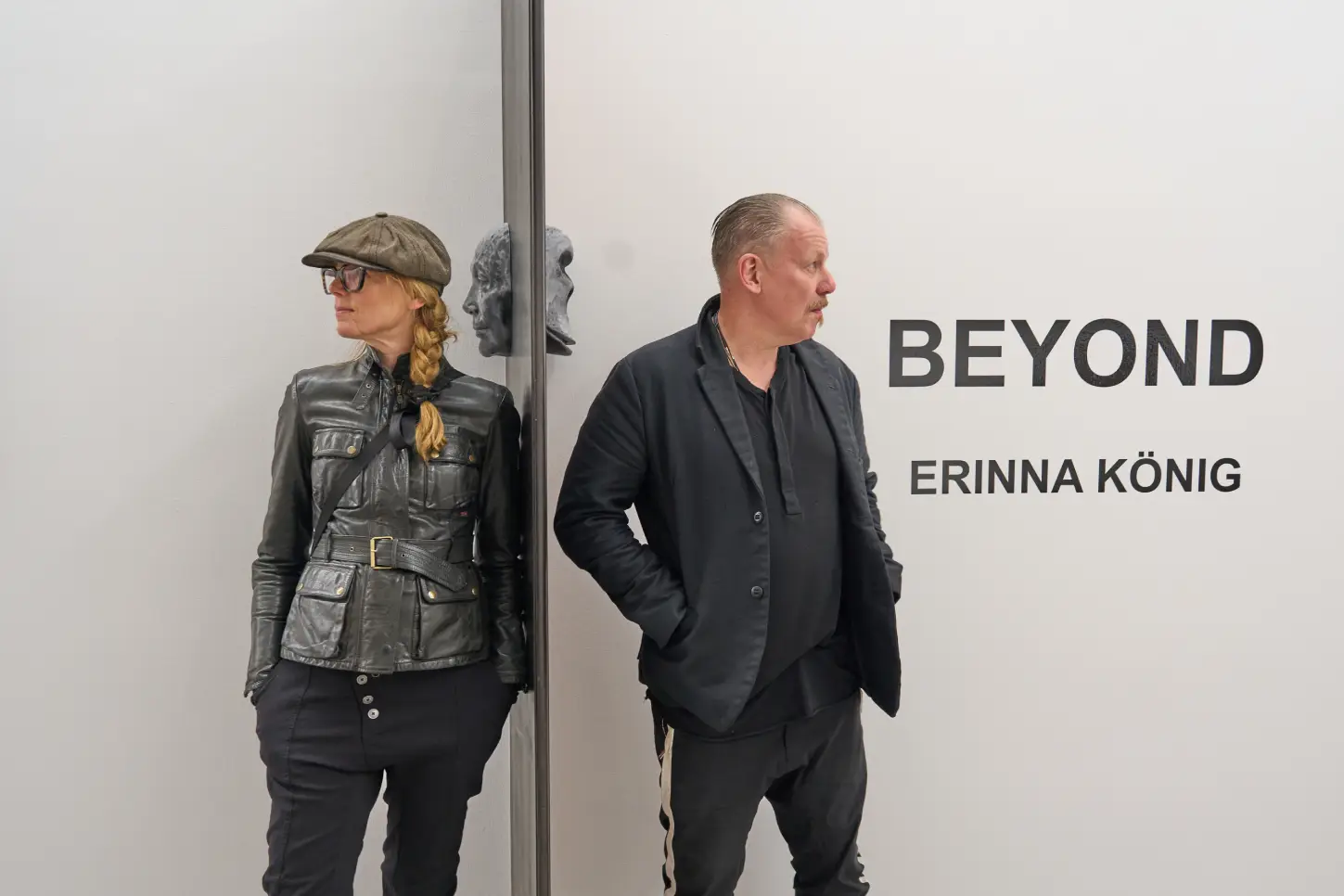
Opening BEYOND photo Mark Zahorszky
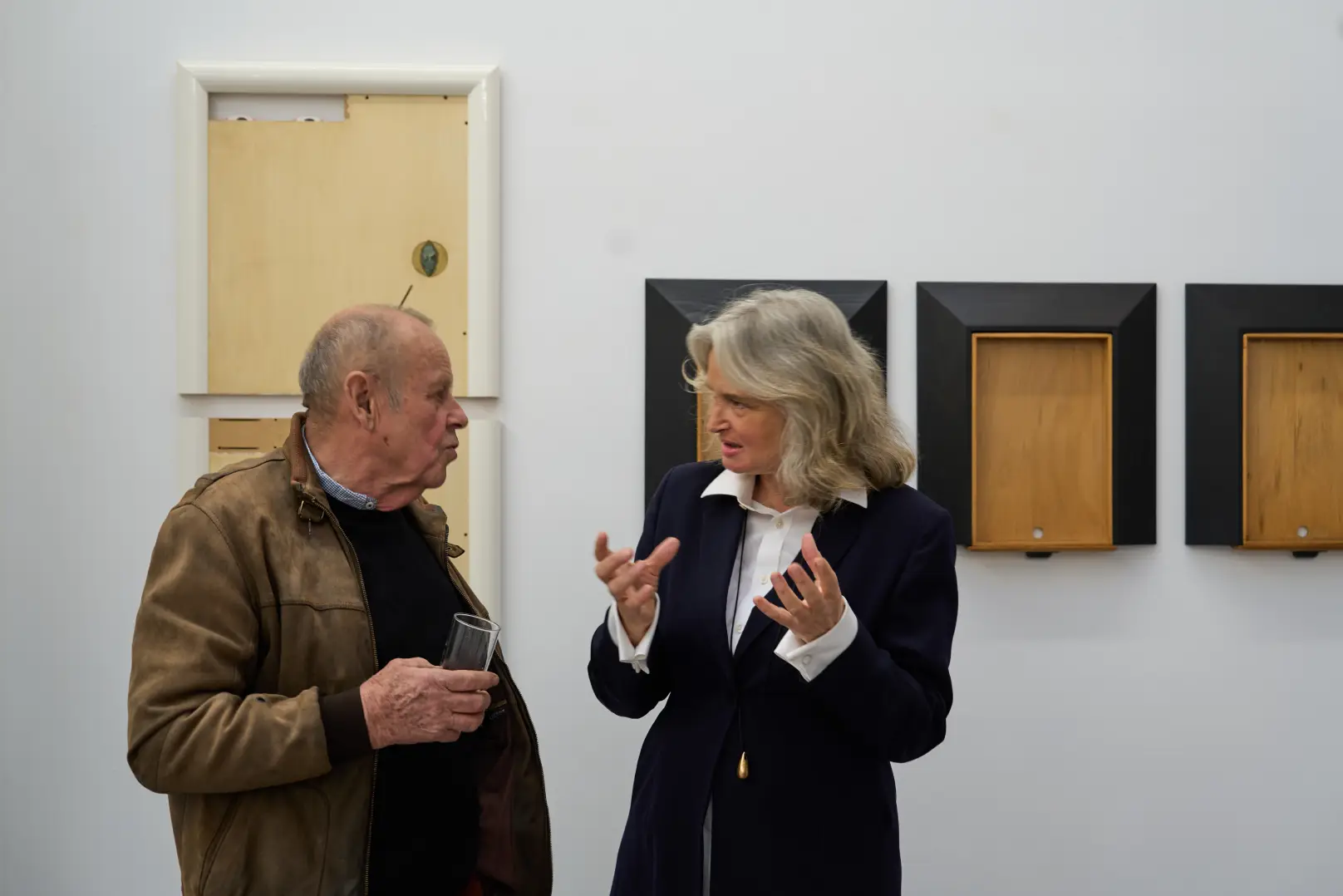
Opening BEYOND photo Mark Zahorszky
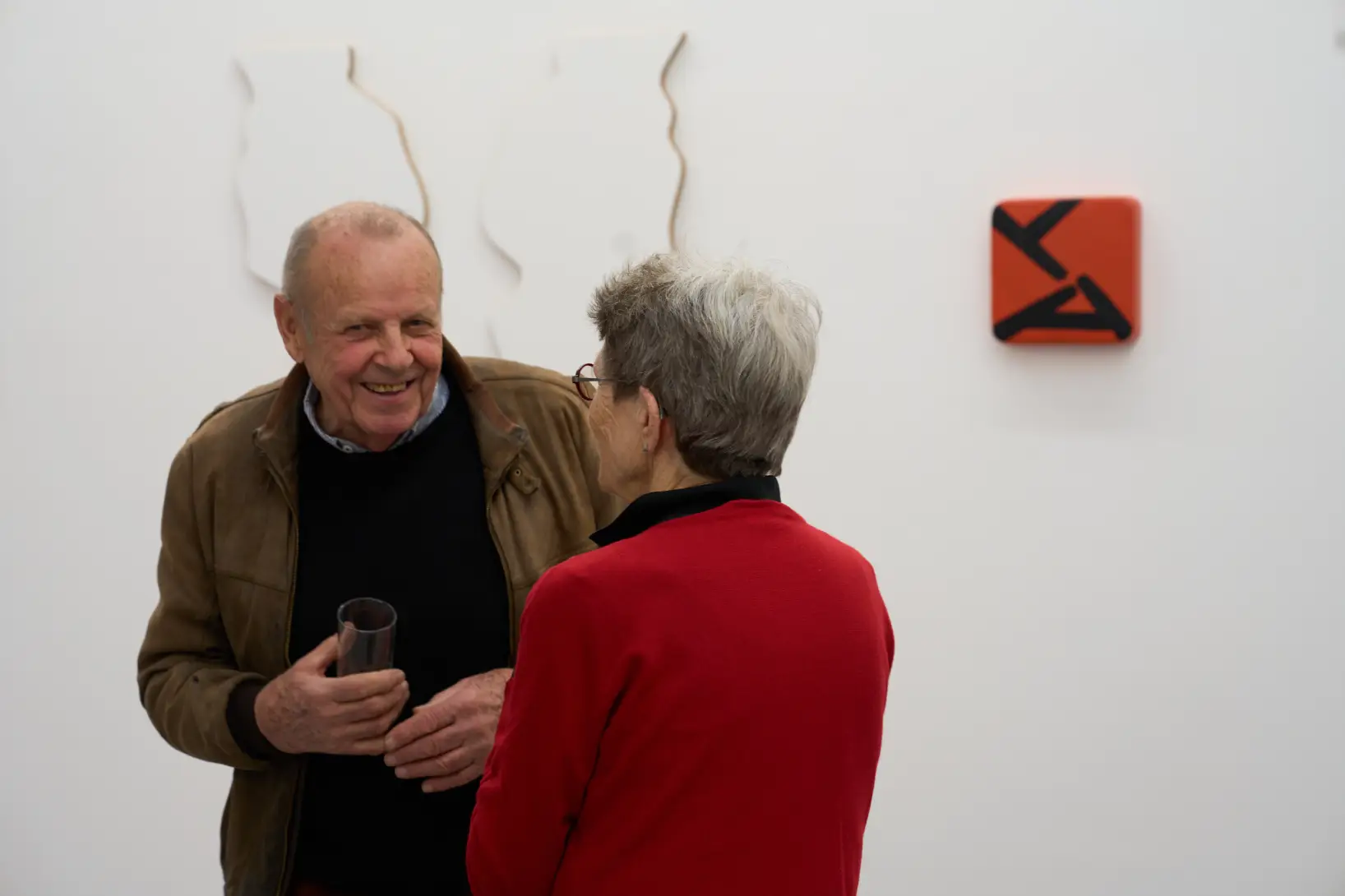
Opening BEYOND photo Mark Zahorszky
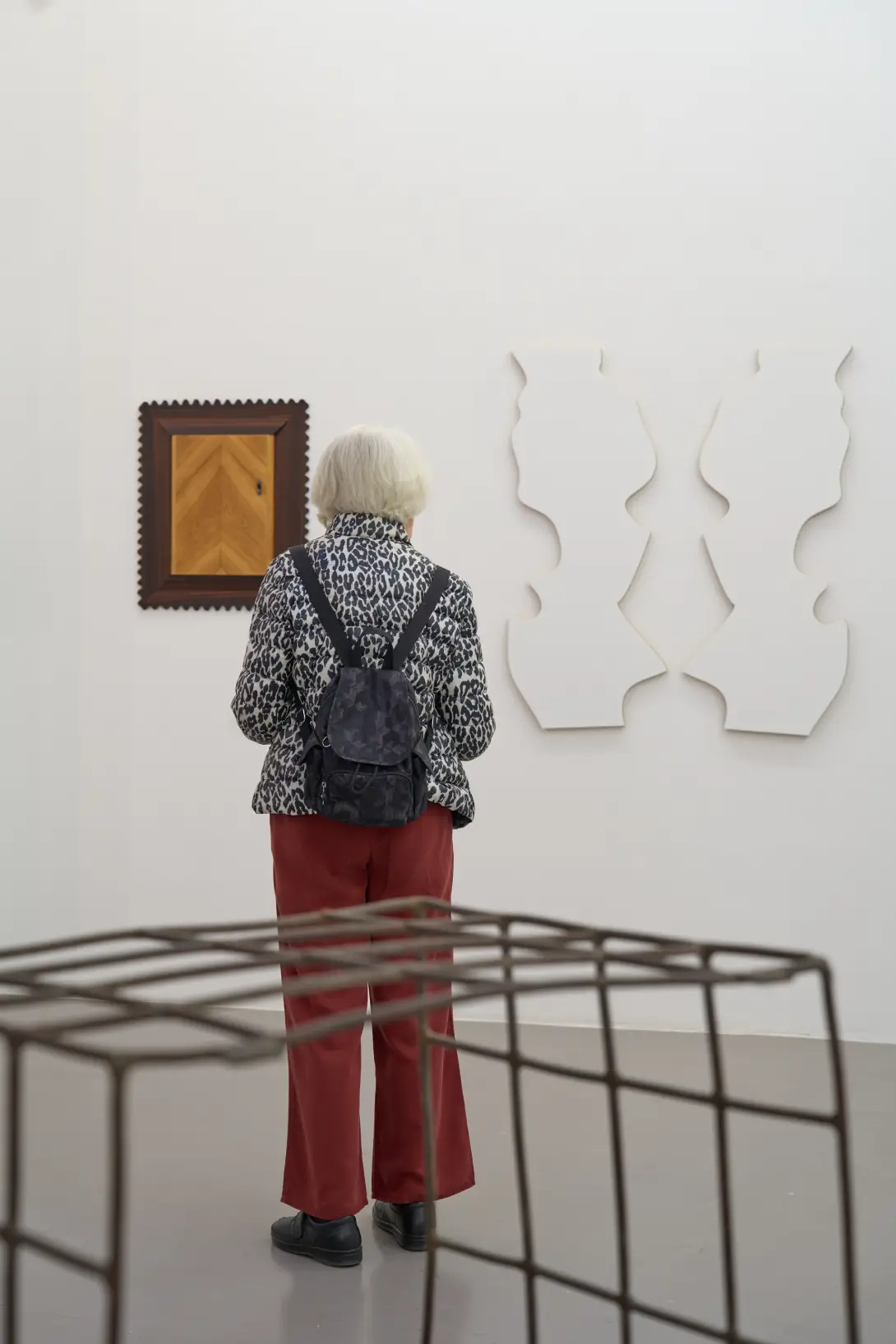
Opening BEYOND photo Mark Zahorszky
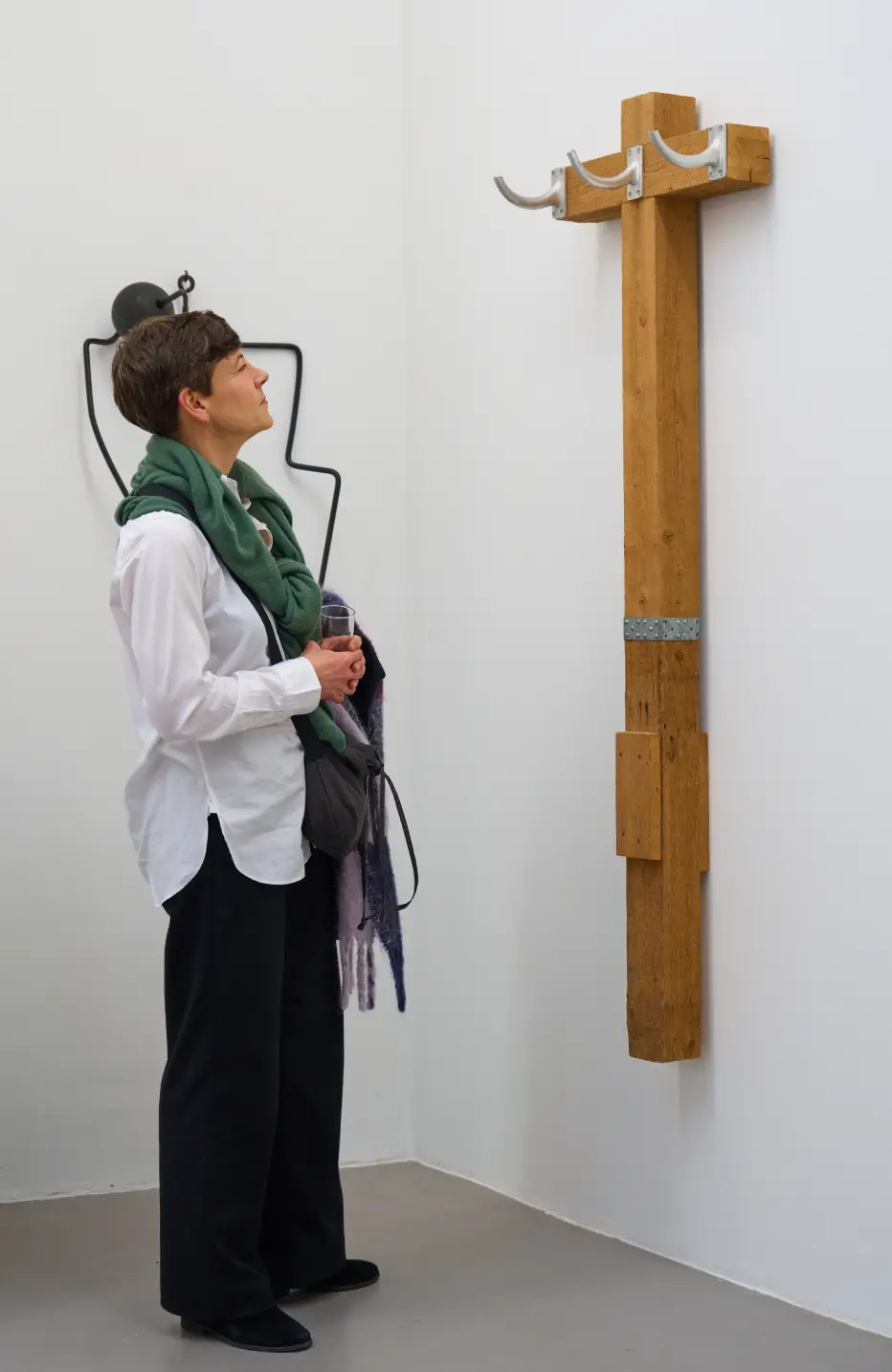
Opening BEYOND photo Mark Zahorszky
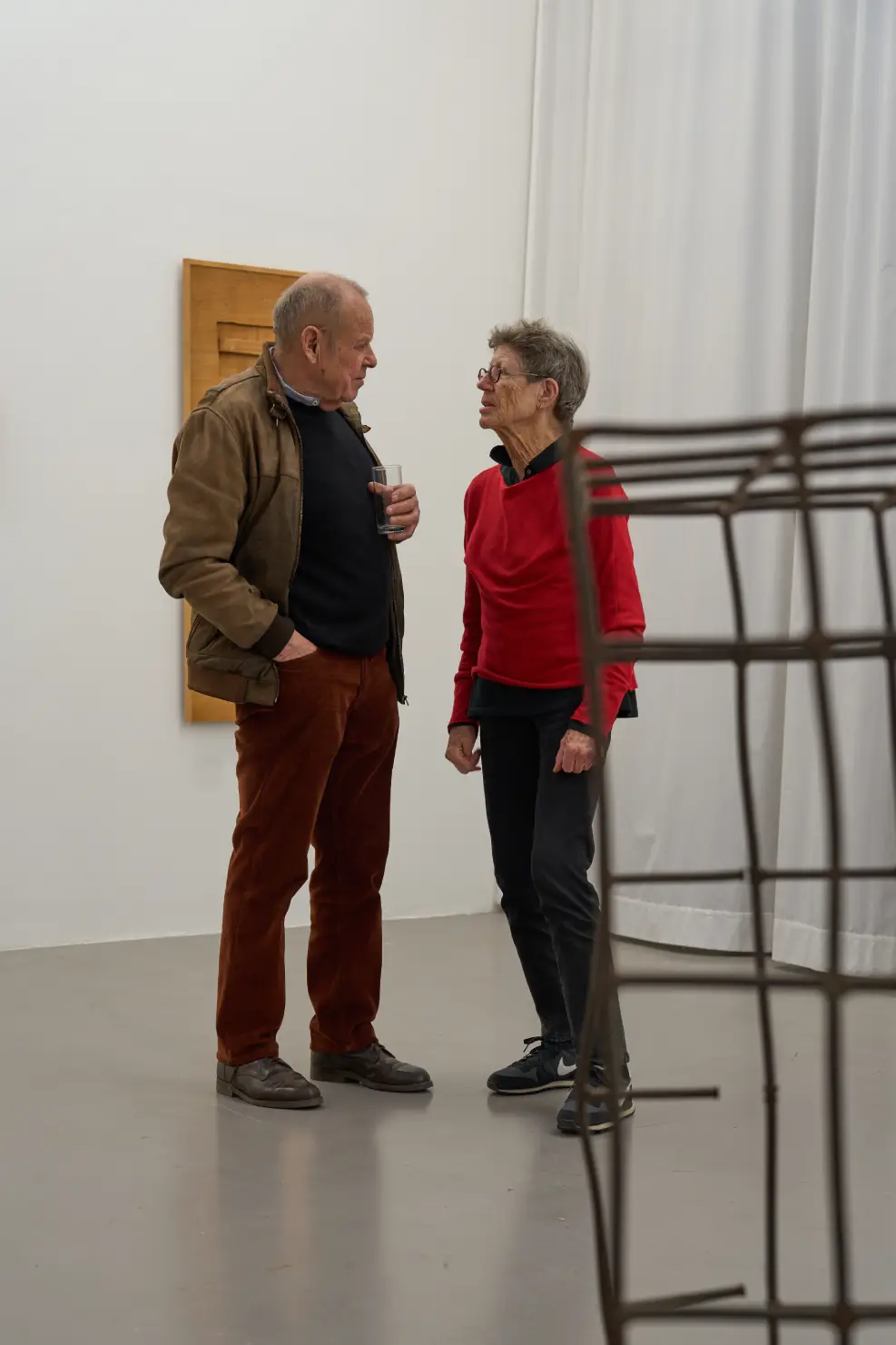
Opening BEYOND photo Mark Zahorszky